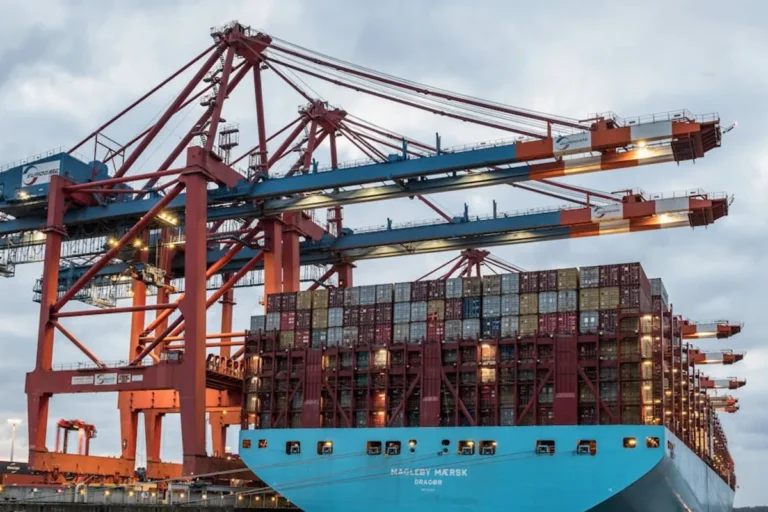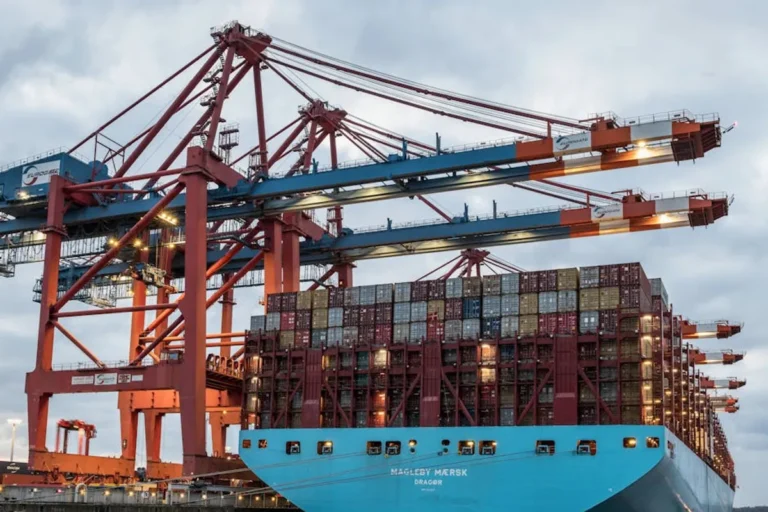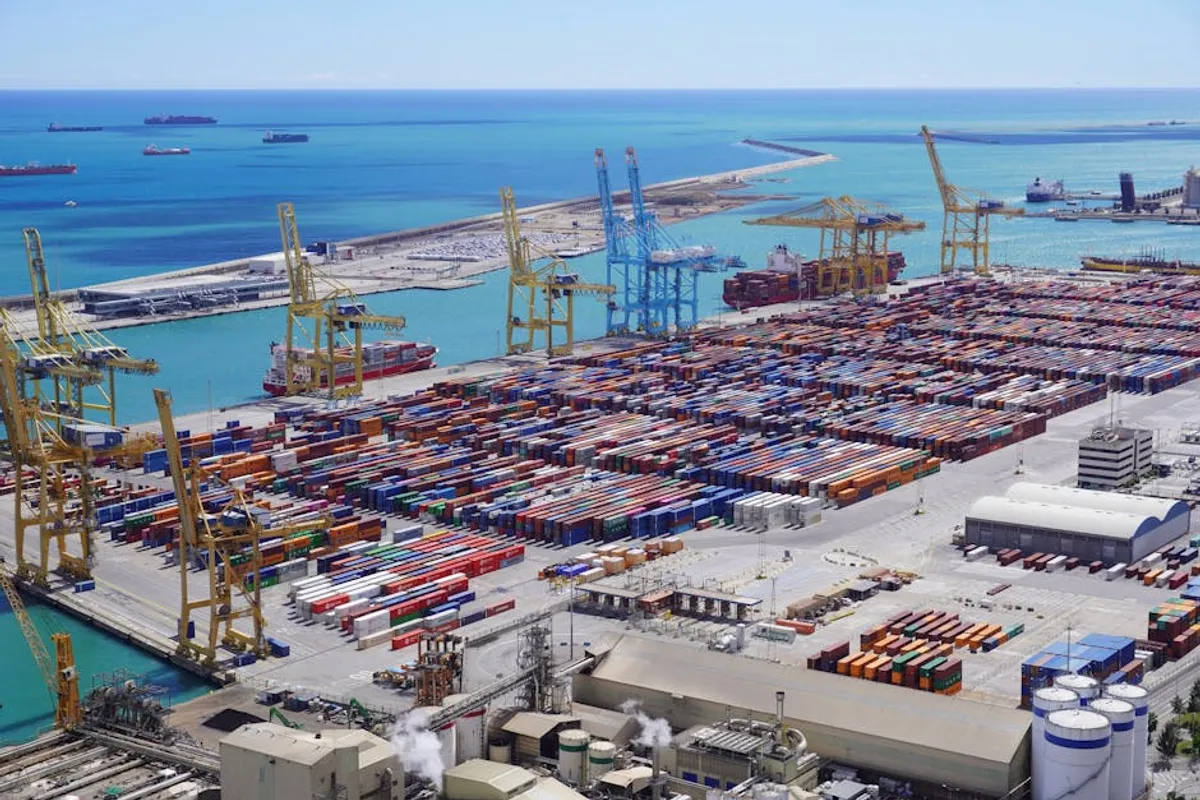
The global supply chain operates on a delicate balance, where efficiency at critical junctures dictates overall reliability. Ports, as key nodes in this network, face increasing pressure from rising trade volumes, larger vessels, and the constant demand for faster, more predictable cargo movement. In this environment, manual operations often become bottlenecks, introducing delays, increasing costs, and compromising the consistency that modern logistics demands. Port automation emerges not as a luxury, but as a foundational investment for any entity seeking to build and maintain a truly reliable supply chain.
The Imperative for Port Automation in Modern Logistics
Traditional port operations, heavily reliant on manual labor and legacy equipment, struggle to keep pace with contemporary trade dynamics. The sheer scale of container traffic, coupled with the need for rapid vessel turnaround times, exposes inefficiencies inherent in non-automated systems. These include slower loading and unloading cycles, increased potential for human error in cargo handling and documentation, and vulnerability to labor shortages or industrial actions. Automation directly addresses these systemic vulnerabilities by standardizing processes, accelerating physical movements, and providing real-time data for proactive management.
Core Benefits of Automated Port Operations for Supply Chain Reliability
Enhanced Operational Efficiency and Throughput
Automated port systems significantly reduce the time vessels spend at berth and containers spend in the yard. Automated stacking cranes (ASCs), automated guided vehicles (AGVs), and robotic handling equipment operate continuously, often 24/7, with minimal breaks. This constant operation translates into faster container moves per hour, directly accelerating cargo flow. For instance, automated terminals frequently achieve vessel turnaround times that are 20-30% faster than conventional terminals, directly impacting delivery schedules further down the supply chain.
Predictable Scheduling and Reduced Delays
Reliability hinges on predictability. Automation minimizes variability caused by human factors, such as fatigue or error, and even mitigates some weather-related impacts by allowing operations in conditions unsafe for human workers. Integrated terminal operating systems (TOS) provide real-time visibility into every container's status and location, enabling precise planning and immediate adjustments to schedules. This data-driven approach reduces unexpected delays, allowing logistics managers to forecast arrival and departure times with greater accuracy.
Cost Optimization Through Resource Allocation
While initial investment is substantial, port automation drives long-term cost efficiencies. Reduced reliance on manual labor lowers operational expenditure per container. Automated equipment, often electric, can decrease fuel costs and emissions. Optimized stacking and retrieval strategies minimize yard congestion, reducing internal trucking distances and associated fuel and maintenance costs. Furthermore, the precision of automated systems reduces cargo damage and misplacement, cutting down on insurance claims and recovery expenses.
Improved Safety and Security Standards
Safety in a bustling port environment is paramount. Automation removes human workers from high-risk areas, such as beneath crane operations or in dense vehicle traffic zones, significantly reducing accident rates. Automated gate systems, integrated surveillance, and container tracking technologies enhance security, preventing unauthorized access and improving accountability for cargo movements. This creates a safer working environment and reduces risks of theft or tampering, reinforcing supply chain integrity.
Resilience Against Disruptions
A reliable supply chain must be resilient. Automated ports are less susceptible to disruptions caused by labor shortages, pandemics, or localized industrial actions. Their continuous operational capacity means they can often maintain a baseline level of service even during challenging periods. Furthermore, the data generated by automated systems allows for quicker identification of bottlenecks and more agile responses to unforeseen events. Key automated technologies contributing to this resilience include:
- Automated Stacking Cranes (ASCs): Efficiently manage container yards, ensuring high-density storage and rapid retrieval.
- Automated Guided Vehicles (AGVs): Transport containers between berths and stacks without human intervention, maintaining continuous flow.
- Automated Gate Systems (AGS): Expedite truck processing, reducing queues and improving security at entry/exit points.
- Optical Character Recognition (OCR): Automatically identifies container numbers, reducing manual data entry errors and speeding up processing.
Navigating the Implementation of Port Automation
Implementing port automation is a complex undertaking, requiring significant strategic planning and investment. It involves more than simply installing new machinery; it necessitates a complete re-evaluation of operational workflows, IT infrastructure, and workforce roles.
Significant Upfront Investment and Planning
The capital expenditure for fully automated terminals can be in the hundreds of millions or even billions of dollars, covering equipment, software, and civil engineering modifications. A detailed feasibility study, long-term financial modeling, and a phased implementation strategy are crucial to manage this investment effectively and ensure a positive return.
Workforce Transition and Training
Automation inevitably changes the nature of port jobs. While some roles may be eliminated, new ones emerge in areas like system monitoring, maintenance, and data analysis. A successful transition plan includes comprehensive retraining programs for existing employees, focusing on digital literacy and technical skills required for operating and managing automated systems. This proactive approach ensures a smoother shift and retains valuable institutional knowledge.
Integration with Existing Systems
Modern ports operate with a multitude of interconnected systems, from shipping line platforms to customs clearance modules and inland transportation networks. Integrating new automated terminal operating systems (TOS) with these legacy and external platforms is critical for seamless data flow and end-to-end visibility. This often requires custom API development and rigorous testing to prevent data silos and operational disconnects.
Pro Tip: Prioritize a modular approach to automation. Instead of attempting a full-scale overhaul simultaneously, implement automated solutions in phases, focusing on specific bottlenecks first. This allows for iterative learning, minimizes disruption, and provides tangible benefits earlier, building momentum and demonstrating ROI for subsequent phases.
The Future Landscape: Automation as a Standard for Reliability
As global trade continues to expand and supply chains become more intricate, port automation will transition from a competitive advantage to a fundamental requirement for reliable logistics. Future advancements will integrate artificial intelligence (AI) for predictive maintenance and optimized resource allocation, Internet of Things (IoT) sensors for granular real-time data, and blockchain for enhanced security and transparency across the entire shipping process. Ports that embrace these technologies will be best positioned to offer the speed, consistency, and resilience that modern supply chains demand. This integration also involves enhancing supply chain visibility for better logistics management.
Ensuring Consistent Global Flow
For businesses dependent on predictable and efficient cargo movement, port automation represents a strategic imperative. It addresses the core challenges of modern logistics by enhancing speed, reducing costs, improving safety, and building resilience against disruptions. Investing in automated port infrastructure and intelligent operating systems is no longer merely about efficiency; it is about securing the fundamental reliability of the global supply chain itself. Investing in port automation supports the use of reliable ocean freight services for global trade.
Common Questions on Port Automation
What are the main types of automation used in ports?
Key types include automated stacking cranes (ASCs) for yard management, automated guided vehicles (AGVs) for internal transport, automated gate systems (AGS) for truck processing, and robotic systems for container handling and lashing. These are typically orchestrated by a central Terminal Operating System (TOS).
How does port automation impact employment?
While automation reduces the need for certain manual labor roles, it creates new positions requiring different skill sets, such as system operators, IT specialists, maintenance technicians for complex machinery, and data analysts. The shift generally involves reskilling and upskilling the existing workforce.
What are the biggest challenges in implementing port automation?
Major challenges include the substantial upfront capital investment, the complexity of integrating new automated systems with existing port infrastructure and IT, the need for extensive workforce training and transition planning, and managing the operational disruption during the implementation phase.
Can smaller ports benefit from automation?
Yes, even smaller ports can benefit from modular or partial automation solutions, such as automated gate systems or specific robotic equipment for high-volume tasks. The key is to identify specific bottlenecks and implement targeted automation that provides a clear return on investment for their particular operational scale and cargo types.