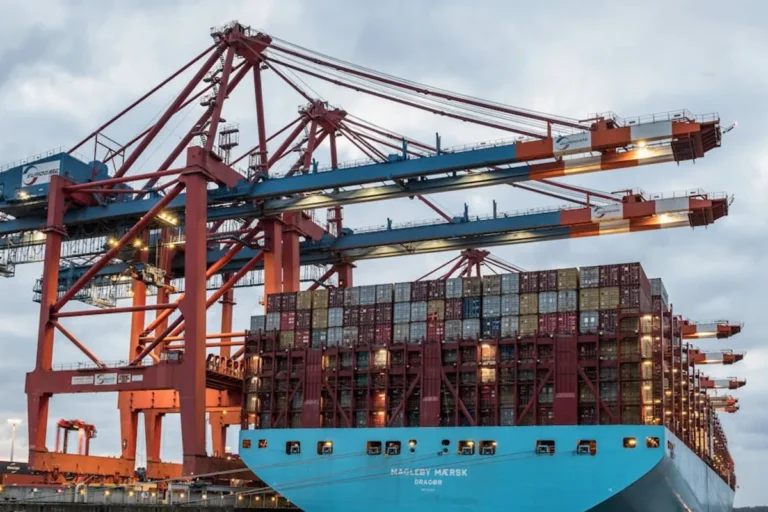
The landscape of cargo logistics is undergoing a fundamental transformation, driven by rapid advancements in technology. For businesses operating within supply chains, understanding these shifts is no longer optional; it is critical for maintaining competitive advantage and meeting evolving customer expectations. Traditional cargo tracking, often reliant on manual updates, intermittent scans, and fragmented communication, is giving way to systems offering unprecedented levels of real-time visibility, predictive intelligence, and operational efficiency. This evolution directly impacts everything from inventory management and delivery timelines to risk mitigation and customer satisfaction.
Real-Time Visibility Through IoT and Advanced Telematics
The integration of Internet of Things (IoT) devices and sophisticated telematics systems represents a cornerstone of modern cargo tracking. Miniature sensors, embedded directly into shipments or affixed to transport units, capture a continuous stream of data points. These devices monitor crucial environmental factors such as temperature, humidity, light exposure, and even shock, which is vital for sensitive goods like pharmaceuticals, perishables, or delicate electronics. This granular data allows stakeholders to intervene proactively if conditions deviate from acceptable parameters, preventing spoilage or damage before it occurs.
Beyond environmental monitoring, advanced telematics leverages GPS, cellular, and satellite communication to provide precise location data. This goes beyond simple 'dot on a map' tracking. Modern systems offer detailed route histories, geofencing capabilities to trigger alerts upon entry or exit from designated zones, and even insights into vehicle performance, such as speed, fuel consumption, and driver behavior. This comprehensive data stream enables logistics managers to optimize routes dynamically, anticipate delays with greater accuracy, and enhance security by identifying unauthorized stops or deviations.
Predictive Analytics and AI-Driven Optimization
The sheer volume of data generated by IoT devices and telematics systems would be overwhelming without advanced analytical capabilities. Artificial Intelligence (AI) and Machine Learning (ML) algorithms are now instrumental in processing this data, identifying patterns, and generating actionable insights. Instead of merely reporting historical events, these technologies enable predictive cargo tracking.
AI models can forecast potential delays based on historical traffic patterns, weather conditions, port congestion, and even geopolitical events. This allows for proactive re-routing or communication with recipients long before a problem materializes. Furthermore, ML algorithms optimize load planning, container utilization, and multimodal transport choices, reducing empty mileage and improving overall logistical efficiency. For instance, an AI system can analyze thousands of past shipments to recommend the most cost-effective and time-efficient combination of rail, road, and sea transport for a specific cargo type and destination.
Key AI applications in cargo tracking include:
- Dynamic Route Optimization: Adjusting routes in real-time based on traffic, weather, and road conditions.
- Demand Forecasting: Predicting future shipping volumes to optimize resource allocation.
- Anomaly Detection: Identifying unusual patterns in shipment data that might indicate theft, damage, or operational issues.
- Estimated Time of Arrival (ETA) Accuracy: Providing highly precise ETAs that account for a multitude of variables, improving customer communication.
Blockchain for Enhanced Transparency and Security
Blockchain technology offers a decentralized, immutable ledger that can fundamentally alter how supply chain information is recorded and shared. In cargo tracking, this translates to unparalleled transparency and enhanced security. Each stage of a cargo's journey – from origin to destination – can be recorded as a block on the chain, creating an unalterable audit trail. This includes details like ownership transfers, customs clearances, quality inspections, and delivery confirmations.
The benefits extend to dispute resolution, as all parties have access to a single, verifiable source of truth. It also significantly reduces the potential for fraud or tampering, as any alteration to a block would be immediately detectable. For high-value goods or sensitive shipments requiring strict chain of custody, blockchain provides an additional layer of trust and accountability that traditional paper-based or centralized digital systems cannot match.
Pro Tip: When evaluating new cargo tracking technologies, prioritize solutions that offer robust API integration capabilities. Seamless data exchange with existing Enterprise Resource Planning (ERP), Warehouse Management Systems (WMS), and customer relationship management (CRM) platforms is crucial for maximizing efficiency and avoiding data silos. A standalone tracking system, no matter how advanced, will deliver limited value if it cannot communicate effectively with your broader operational ecosystem.
Cloud Computing and Data Accessibility
The backbone supporting these advanced tracking technologies is cloud computing. Cloud platforms provide the scalable infrastructure necessary to store, process, and analyze the immense datasets generated by modern cargo tracking. This accessibility means that authorized personnel, whether they are in a warehouse, an office, or on the go, can access real-time shipment data and analytics from any internet-connected device.
Cloud-based solutions also facilitate collaboration across complex supply chains involving multiple carriers, freight forwarders, and logistics partners. Everyone can work from the same up-to-date information, reducing communication errors and accelerating decision-making. This democratized access to information is vital for responding quickly to disruptions and maintaining operational agility.
Strategic Adoption for Competitive Advantage
The technological evolution in cargo tracking is not merely about incremental improvements; it represents a strategic imperative for businesses aiming to optimize their logistics operations. Embracing these technologies enables companies to move beyond reactive problem-solving to proactive management, fostering greater efficiency, reducing operational costs, and significantly enhancing customer satisfaction through reliable, transparent deliveries. The shift from basic location pings to comprehensive, predictive supply chain intelligence is redefining industry standards, making informed technology adoption a key differentiator in today's global marketplace.
Frequently Asked Questions
What is the primary benefit of IoT in cargo tracking?
The primary benefit is real-time, granular data collection on a shipment's location, environmental conditions (temperature, humidity), and integrity (shock, light exposure), allowing for proactive intervention and damage prevention.
How does AI improve Estimated Time of Arrival (ETA) accuracy?
AI algorithms analyze vast historical and real-time data, including traffic, weather, route conditions, and past performance, to generate highly precise and dynamically updated ETAs, significantly improving predictability.
Can blockchain prevent cargo theft?
While blockchain itself doesn't physically prevent theft, it creates an immutable, transparent record of a cargo's entire journey and chain of custody. This enhanced traceability and auditability makes it significantly harder for unauthorized parties to tamper with or divert shipments undetected, acting as a powerful deterrent and aid in recovery.
Is cloud computing essential for modern cargo tracking?
Yes, cloud computing is essential. It provides the scalable infrastructure required to store and process the massive amounts of data generated by IoT and telematics, ensures global accessibility for all stakeholders, and facilitates seamless integration with other logistics systems.