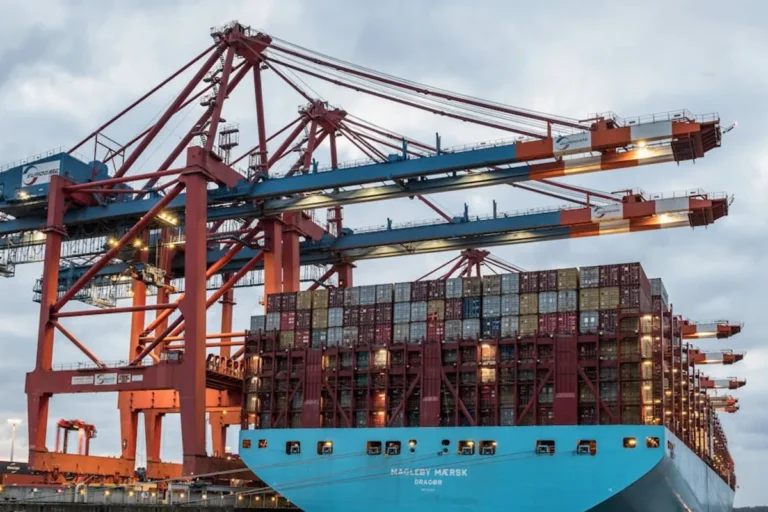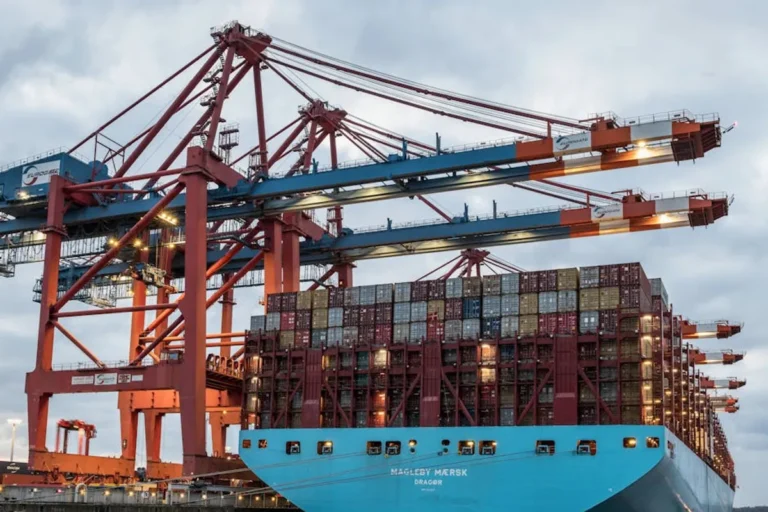
Navigating the modern maritime industry requires a clear understanding of financial protection and environmental responsibility. While both maritime insurance and green shipping are critical components of contemporary vessel operation and fleet management, they address fundamentally different aspects of the business. Maritime insurance primarily focuses on mitigating financial risks and providing coverage against unforeseen losses, liabilities, and damages inherent in seafaring. Green shipping, conversely, prioritizes the reduction of environmental impact, aiming for sustainability through technological innovation and operational changes. Understanding their distinct objectives, operational scopes, and financial implications is essential for any entity operating within the global shipping ecosystem. Understanding how maritime insurance works is key to protecting your assets and ensuring smooth operations in this complex industry.
Core Definitions and Objectives
Maritime Insurance: Financial Risk Transfer
Maritime insurance serves as a financial safety net, transferring the risk of potential losses from shipowners, cargo owners, and other stakeholders to an insurer. Its primary objective is to safeguard against the substantial financial repercussions of perils at sea, including collisions, groundings, storms, piracy, fire, and other casualties. Coverage extends to physical assets like vessels (hull and machinery), cargo, and freight, as well as third-party liabilities such as pollution, injury to crew or passengers, and damage to port infrastructure. This risk transfer mechanism ensures business continuity and protects balance sheets from catastrophic events, making it a mandatory component for most commercial shipping operations globally, often enforced by international conventions and national laws.
Green Shipping: Environmental Impact Reduction
Green shipping, also known as sustainable shipping or decarbonization, focuses on minimizing the environmental footprint of maritime transport. Its core objective is to reduce greenhouse gas (GHG) emissions, air pollutants (sulfur oxides, nitrogen oxides, particulate matter), noise pollution, and waste generation. This involves a comprehensive approach to vessel design, propulsion systems, operational practices, and fuel choices. The drive towards green shipping stems from increasing global awareness of climate change, stricter environmental regulations, and growing investor and consumer demand for sustainable practices. The long-term goal is to achieve net-zero emissions, aligning the shipping industry with global climate targets and fostering a more environmentally responsible supply chain.
Operational Focus and Scope
Maritime Insurance: Asset Protection and Liability Coverage
The operational scope of maritime insurance is reactive and protective. It activates in response to incidents, covering the costs associated with repairs, salvage, legal defense, and compensation for damages or losses. Key areas of focus include:
- Hull & Machinery (H&M) Insurance: Covers physical damage to the vessel itself, including its engine and equipment.
- Protection & Indemnity (P&I) Insurance: Covers third-party liabilities, such as crew injury, passenger claims, cargo damage, pollution, and wreck removal.
- Cargo Insurance: Protects goods being transported against loss or damage during transit.
- Freight, Demurrage & Defence (FD&D) Insurance: Covers legal costs arising from disputes over freight, demurrage, and other contractual issues.
Policies are tailored to specific risks associated with vessel type, trade routes, and cargo, ensuring comprehensive financial protection against a wide array of maritime hazards.
Green Shipping: Fuel, Technology, and Regulatory Compliance
Green shipping's operational focus is proactive and transformative. It encompasses a broad range of initiatives aimed at reducing environmental impact throughout the shipping lifecycle. This includes:
- Alternative Fuels: Transitioning from heavy fuel oil to lower-carbon or zero-carbon options like LNG, methanol, ammonia, hydrogen, or biofuels.
- Energy Efficiency Technologies: Implementing wind-assisted propulsion (sails, rotors), advanced hull coatings, optimized propeller designs, waste heat recovery systems, and shore power connections.
- Operational Optimization: Employing route optimization software, slow steaming, just-in-time arrivals, and enhanced maintenance practices to reduce fuel consumption.
- Waste and Ballast Water Management: Adopting advanced systems for treating ballast water and managing onboard waste to prevent marine pollution.
Compliance with evolving regulations from bodies like the International Maritime Organization (IMO) and regional authorities (e.g., EU Emissions Trading System) is a central driver, requiring continuous investment in new technologies and operational adjustments.
Key Drivers and Incentives
Maritime Insurance: Regulatory Mandates and Commercial Prudence
The impetus for maritime insurance is primarily driven by legal requirements and sound commercial practice. International conventions, such as the CLC (Civil Liability Convention) for oil pollution, mandate insurance coverage for certain types of vessels. Flag states and port states often require proof of insurance for vessel registration and operation. Financiers and charterers also typically stipulate comprehensive insurance as a condition for loans or contracts. Beyond compliance, the sheer scale of potential losses in maritime incidents makes insurance an indispensable tool for managing financial risk and ensuring the long-term viability of shipping businesses.
Green Shipping: ESG Pressures and Long-Term Efficiency
The adoption of green shipping practices is propelled by a confluence of factors, including Environmental, Social, and Governance (ESG) pressures, regulatory mandates, and the pursuit of long-term operational efficiencies. Investors increasingly scrutinize companies' environmental performance, with 'green' financing and sustainability-linked loans becoming more prevalent. Consumers and cargo owners are demanding greener supply chains, influencing carrier choices. Regulatory bodies, particularly the IMO, are setting ambitious decarbonization targets (e.g., 50% reduction in GHG emissions by 2050 compared to 2008 levels, with a vision for net-zero). While initial capital expenditure can be substantial, green technologies often lead to significant operational cost savings through reduced fuel consumption and avoidance of carbon taxes or penalties, offering a compelling long-term economic incentive.
Pro Tip: The intersection of maritime insurance and green shipping is evolving. As new green technologies and alternative fuels are adopted, insurers are developing specialized policies to cover the unique risks associated with these innovations, such as potential liabilities from handling new fuel types or the performance risks of unproven systems. Engaging with insurers early in the green transition process can help identify gaps and secure appropriate coverage.
Financial Implications and Investment
Maritime Insurance: Premium Costs and Claims Management
The financial implications of maritime insurance primarily involve premium payments, which represent an ongoing operational cost. Premiums are determined by various factors, including the vessel's age, type, flag, trading routes, claims history, and the scope of coverage. While a cost center, these premiums are an investment in financial stability, preventing potentially ruinous losses. Effective claims management, including diligent record-keeping and prompt reporting, is crucial for maximizing the benefits of coverage and minimizing uninsured losses or delays.
Green Shipping: Capital Expenditure and Operational Savings
Green shipping initiatives typically involve significant upfront capital expenditure (CAPEX) for retrofitting existing vessels or building new, more efficient ships. This includes investments in new engines, fuel storage systems, energy-saving devices, and digital optimization tools. However, these investments are designed to yield long-term operational savings (OPEX) through reduced fuel consumption, lower carbon taxes, and potentially preferential port fees. Access to green financing, subsidies, and tax incentives can help offset initial costs, making the financial case for decarbonization increasingly attractive over the lifecycle of a vessel.
Risk Management Paradigms
Maritime Insurance: Post-Incident Financial Recovery
Maritime insurance operates within a post-incident risk management paradigm. Its primary function is to provide financial restitution or compensation after a loss event has occurred. The focus is on financial recovery and mitigating the monetary impact of physical damage, liability claims, or business interruption. While some policies may incentivize risk reduction (e.g., lower premiums for safer operations), the core mechanism is reactive, providing a safety net against realized risks.
Green Shipping: Proactive Hazard Reduction and Future-Proofing
Green shipping embodies a proactive risk management paradigm, aiming to reduce environmental hazards and their associated long-term business risks. By investing in cleaner technologies and sustainable practices, companies mitigate the risks of future regulatory non-compliance, reputational damage, and exposure to volatile fossil fuel prices. It's about future-proofing operations against evolving environmental standards and market demands, ensuring long-term viability and competitive advantage in a carbon-constrained world. The risks addressed are systemic and long-term, focusing on preventing environmental harm and ensuring the industry's social license to operate.
Navigating Both for a Sustainable Fleet
While maritime insurance and green shipping address different facets of the shipping industry, they are not mutually exclusive; rather, they are increasingly interdependent. A robust maritime insurance strategy protects the financial health of a fleet, ensuring resilience against immediate threats. Simultaneously, a commitment to green shipping protects the fleet's long-term viability, ensuring compliance, reducing environmental impact, and enhancing market appeal. Forward-thinking shipping companies integrate both considerations into their strategic planning, recognizing that financial stability and environmental responsibility are two sides of the same coin in modern maritime commerce. Investments in green technologies, for instance, can indirectly lead to a lower risk profile for insurers, potentially influencing future premium structures as the industry evolves.
Frequently Asked Questions
Can implementing green shipping practices reduce maritime insurance premiums?
While not a direct guarantee, some green shipping initiatives can indirectly contribute to a lower risk profile, such as improved vessel maintenance or reduced accident rates due to advanced navigation systems. As the industry evolves, insurers may offer incentives or specialized policies for fleets demonstrating strong environmental performance and reduced operational risks.
Are new green technologies and alternative fuels covered by standard maritime insurance policies?
Generally, new technologies and alternative fuel systems are covered under Hull & Machinery policies as part of the vessel's structure and equipment. However, the unique risks associated with handling, storing, and operating with novel fuels (e.g., flammability of hydrogen, toxicity of ammonia) may require specific endorsements or specialized P&I coverage, which is an evolving area in the insurance market.
What are the primary regulatory bodies driving maritime insurance and green shipping?
The International Maritime Organization (IMO) is the primary international body influencing both. For insurance, IMO conventions (like CLC) mandate certain coverages. For green shipping, the IMO sets global targets for decarbonization and implements regulations like EEXI and CII. National governments and regional bodies (e.g., EU) also enact their own laws and policies for both areas.
Are maritime insurance and green shipping mutually exclusive goals for a shipping company?
No, they are complementary. Maritime insurance provides essential financial protection for current operations, while green shipping ensures the long-term sustainability and future compliance of the business. Integrating both strategies creates a more resilient, responsible, and competitive shipping enterprise.