Businesses operating within global supply chains often consider the security of their freight, but the specific cyber risks and mitigation strategies for maritime versus air cargo transport diverge significantly. While both sectors are integral to international trade and increasingly reliant on digital systems, their operational environments, regulatory frameworks, and threat landscapes necessitate distinct approaches to cybersecurity. Understanding these differences is crucial for effective risk management, compliance, and maintaining supply chain integrity, directly impacting operational costs, insurance premiums, and client trust.
Fundamental Operational Contexts
The inherent operational characteristics of maritime and air freight dictate their respective cybersecurity postures. These foundational differences shape the types of systems deployed, the communication methods used, and the physical security considerations that intertwine with digital defenses.
Maritime Transport Characteristics
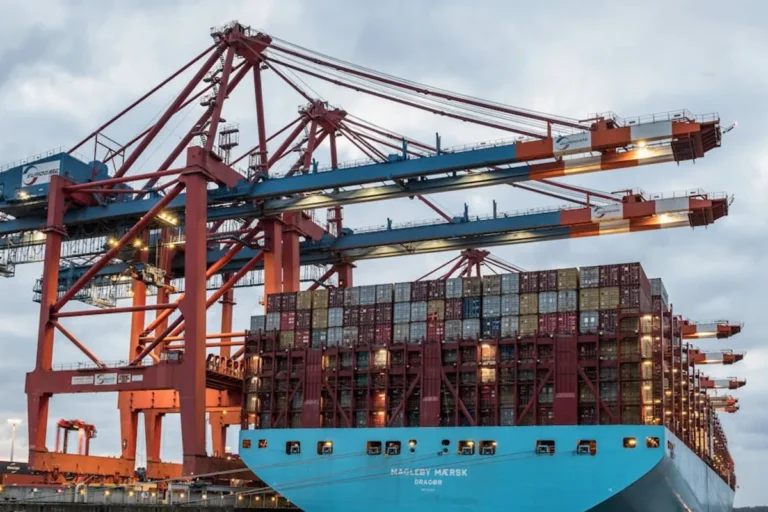
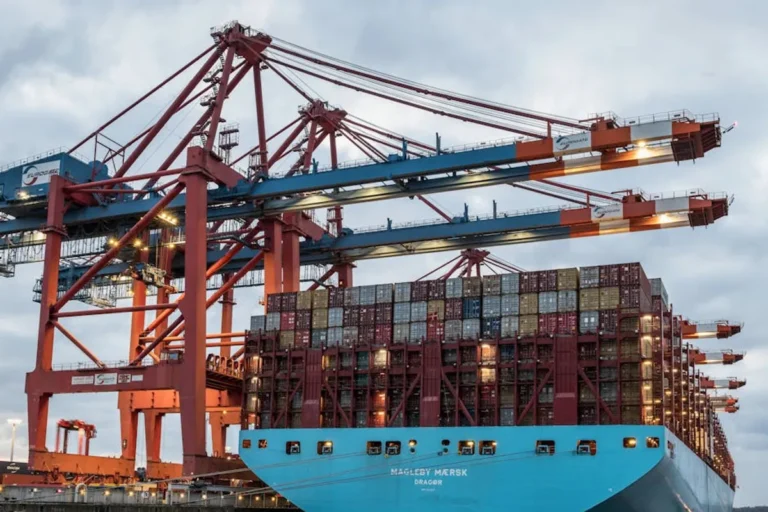
Maritime transport involves vast networks of vessels, ports, and logistics hubs, often operating for extended periods in remote locations with intermittent connectivity. Vessel operational technology (OT) systems, including navigation, propulsion, and cargo management, frequently consist of legacy infrastructure with limited native security features. These systems are increasingly interconnected with IT networks for administrative functions, creating a complex attack surface. Port operations, which handle massive volumes of cargo and data, integrate diverse systems from multiple stakeholders, making unified security protocols challenging.
Key operational factors: long voyages, isolated environments, legacy OT integration, complex port ecosystems.
Air Cargo Transport Characteristics
Air freight, by contrast, operates on a tighter schedule with rapid turnaround times and relies heavily on real-time data exchange across an integrated global network. Aircraft systems, while highly sophisticated, are subject to rigorous airworthiness and safety certifications that historically prioritized physical safety over cyber resilience, though this is evolving. Airport environments are critical nodes, featuring highly interconnected systems for air traffic control, baggage handling, customs, and logistics. The speed and precision required in air cargo mean that any disruption, cyber or otherwise, has immediate and widespread cascading effects.
Key operational factors: speed-critical operations, highly integrated digital networks, stringent safety-first certifications, concentrated airport hubs.
Cybersecurity Threat Landscapes
The distinct operational contexts directly influence the types of cyber threats each sector faces, as well as the potential impact of successful attacks.
Maritime Cybersecurity Challenges
Maritime assets face threats ranging from sophisticated state-sponsored attacks targeting critical infrastructure to opportunistic ransomware campaigns affecting port operations or shipping lines. The convergence of IT and OT systems on vessels creates vulnerabilities where a breach in an administrative network could potentially impact navigation or engine control. Satellite communication systems, essential for remote operations, can be targets for jamming or spoofing. Furthermore, the sheer number of vessels and ports, coupled with varied levels of cybersecurity maturity across the industry, makes comprehensive defense difficult.
- Attack Vectors: Spear phishing, ransomware, supply chain attacks (e.g., electronic chart data manipulation), port system infiltration, satellite communication interference.
- Impact: Cargo theft, operational disruption, navigation system compromise, environmental incidents, data exfiltration, reputational damage.
Air Freight Cybersecurity Challenges
Air freight's interconnectedness makes it susceptible to attacks that exploit supply chain vulnerabilities, targeting data integrity, operational efficiency, and passenger/cargo safety. Threats include disruptions to air traffic management systems, breaches of cargo manifests, and attacks on ground support equipment. The emphasis on real-time data for tracking and scheduling also makes data integrity a prime target. Insider threats, while a concern in both sectors, can be particularly impactful in air freight due to access to sensitive operational data and physical controls within secure airport environments.
Attack Vectors: Data manipulation (cargo manifests, flight plans), denial-of-service (DoS) attacks on airport systems, software supply chain compromises, insider threats, exploitation of third-party vendor vulnerabilities.
Impact: Flight delays/cancellations, cargo misdirection, theft of high-value goods, regulatory non-compliance fines, significant financial losses due to operational downtime.
Regulatory Frameworks and Compliance
Both sectors are heavily regulated, but the specific mandates and international bodies governing cybersecurity differ, reflecting their unique risk profiles and historical development.
Maritime Regulations
The International Maritime Organization (IMO) introduced Resolution MSC.428(98) in 2017, mandating that cyber risk management be incorporated into safety management systems by January 1, 2021. This requires shipping companies to assess and manage cyber risks as part of their Safety Management System (SMS) under the International Safety Management (ISM) Code. Additionally, the International Ship and Port Facility Security (ISPS) Code addresses physical security, but its principles are increasingly being extended to encompass cyber aspects. Regional regulations, such as those from the European Union (e.g., NIS Directive), also impose specific cybersecurity requirements on maritime entities.
Compliance focus: Risk assessment, integration into safety management, incident response planning, crew training.
Air Freight Regulations
Air freight cybersecurity is governed by a complex web of national and international regulations. The International Air Transport Association (IATA) provides guidelines and best practices for aviation cybersecurity. In the United States, the Transportation Security Administration (TSA) mandates cybersecurity requirements for critical aviation infrastructure. The European Union Aviation Safety Agency (EASA) also issues detailed regulations for the cybersecurity of aircraft systems and air traffic management. These regulations often focus on data protection, access controls, and the resilience of operational systems against cyber-attacks.
Compliance focus: Data integrity, access control, system resilience, information sharing, supply chain security vetting.
Impact on Supply Chain Resilience
Cyber incidents in either sector can severely disrupt global supply chains, but the nature and scale of the disruption vary. Maritime incidents often lead to widespread, prolonged delays affecting large volumes of goods, while air freight incidents can cause immediate, high-impact disruptions to time-sensitive cargo and passenger travel.
Pro Tip: Businesses relying on both maritime and air freight should implement an integrated cyber risk assessment strategy. This approach identifies interdependencies and potential single points of failure across modes, allowing for a more cohesive and resilient supply chain security posture rather than addressing each mode in isolation. Consider how a cyber incident in one sector could create a surge in demand or new vulnerabilities in the other.
A major cyberattack on a shipping line, as seen with NotPetya, can cripple global operations for weeks, impacting thousands of vessels and ports. For air freight, a cyberattack on an air traffic control system or a major airline's operational network can ground flights globally within hours, leading to significant economic losses and logistical nightmares for high-value or perishable goods.
Technological Solutions and Best Practices
Effective cybersecurity in both sectors requires a blend of technology, process, and personnel, tailored to their specific environments.
Maritime Security Tools
Solutions for maritime cybersecurity often focus on securing legacy OT systems and managing remote connectivity. This includes network segmentation to isolate critical OT from IT networks, robust intrusion detection/prevention systems (IDS/IPS) designed for industrial control systems, and secure remote access solutions. Crew training on cyber hygiene and incident response is paramount due to the isolated nature of operations. Regular vulnerability assessments and penetration testing of both vessel and port systems are crucial.
Best for: Protecting operational continuity on vessels, securing port infrastructure, ensuring data integrity during transit.
Air Freight Security Tools
Air freight cybersecurity prioritizes real-time data protection, rapid threat detection, and robust access controls. Advanced encryption for data in transit and at rest, multi-factor authentication for all critical systems, and AI-driven anomaly detection are standard. Secure software development lifecycle (SSDLC) practices are essential for aviation-specific applications. Collaborative threat intelligence sharing among airlines, airports, and regulatory bodies helps in preempting attacks.
Best for: Safeguarding sensitive cargo and operational data, maintaining flight schedule integrity, preventing unauthorized system access.
Navigating Security for Business Continuity
For businesses engaged in global logistics, understanding the distinct cybersecurity challenges of maritime and air freight is not merely an academic exercise; it is a strategic imperative. Effective risk mitigation involves recognizing that a "one-size-fits-all" security strategy is insufficient. Instead, tailor your cybersecurity investments and protocols to the specific operational realities, regulatory demands, and threat landscapes of each transport mode your supply chain utilizes. This nuanced approach minimizes potential disruptions, reduces financial exposure, and strengthens overall supply chain resilience, directly contributing to sustained business operations and competitive advantage.
Frequently Asked Questions
What is the primary difference in cyber attack vectors between maritime and air freight?
Maritime cyberattacks frequently exploit vulnerabilities in legacy operational technology (OT) on vessels and port systems, often through spear phishing or supply chain compromises. Air freight attacks more commonly target the integrity of real-time data, interconnected airport systems, and third-party vendor integrations due to its highly digital and time-sensitive nature.
Are cyber threats increasing in both the maritime and air freight sectors?
Yes, both sectors are experiencing a significant increase in cyber threats. This rise is driven by increasing digitalization, the convergence of IT and OT, and the growing sophistication of threat actors who recognize the critical role these sectors play in global trade.
How do regulations differ for cybersecurity in these two transport modes?
Maritime cybersecurity is heavily influenced by IMO mandates, requiring cyber risk management to be integrated into existing safety management systems (ISM Code). Air freight security is governed by a broader array of national and international bodies like IATA, TSA, and EASA, with a strong focus on data protection, system resilience, and supply chain vetting. This is why maritime cybersecurity matters for maintaining secure global supply chains.
What is the biggest commercial impact of a cyber incident in each sector?
In maritime, a major cyber incident can lead to prolonged operational disruptions, impacting vast cargo volumes, causing significant financial losses from delays, and potentially leading to environmental damage. In air freight, incidents can cause immediate, widespread flight cancellations and delays, resulting in substantial losses for high-value or time-sensitive cargo, and severe reputational damage.