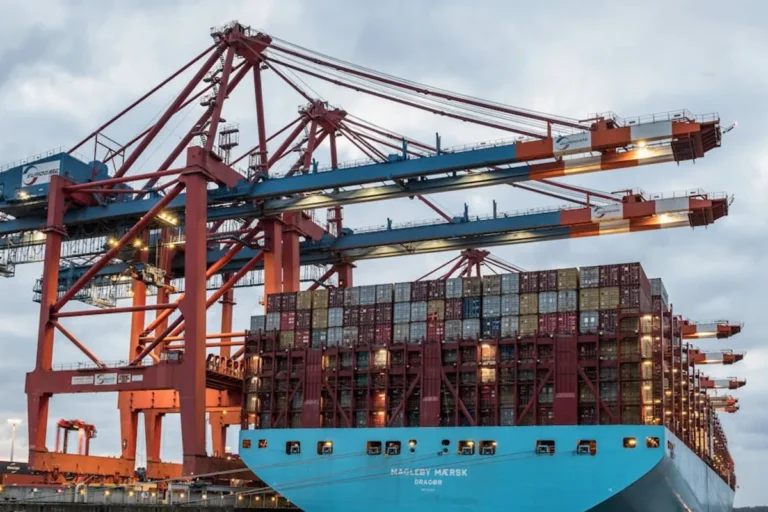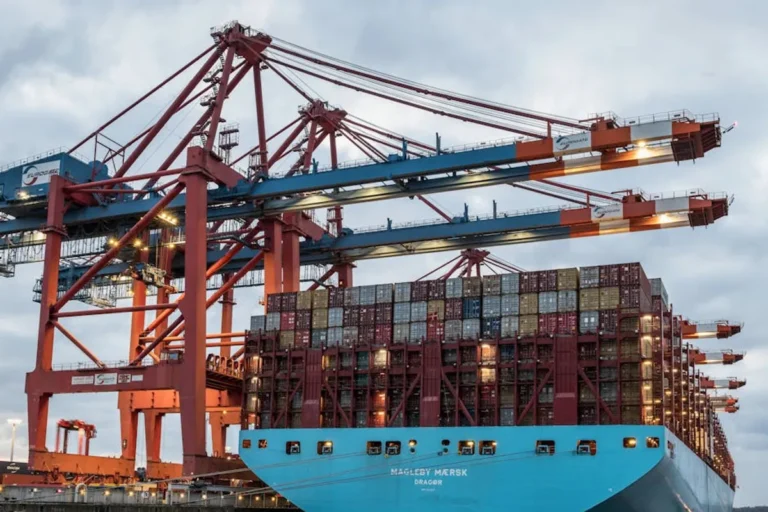
Importers operate at the confluence of global logistics and digital commerce, making their supply chains inherently vulnerable to cyber threats. The digital transformation of maritime operations, from vessel navigation systems to port logistics and customs declarations, introduces efficiencies but also expands the attack surface. For importers, a cybersecurity incident isn't merely a data breach; it can mean delayed shipments, compromised cargo, financial fraud, reputational damage, and even operational paralysis. Understanding common missteps is the first step toward building a resilient defense against these specific, evolving threats.
Underestimating the Maritime Attack Surface
Many importers focus their cybersecurity efforts solely on their internal IT networks, neglecting the broader, interconnected ecosystem of maritime logistics. This oversight leaves critical vulnerabilities exposed, often in areas traditionally considered outside conventional IT security.
Overlooking Operational Technology (OT)
Operational Technology encompasses the hardware and software used to monitor and control physical processes, such as vessel navigation, cargo handling systems, port infrastructure, and warehouse automation. Unlike IT systems, OT often runs on legacy software, has longer lifecycles, and is designed for availability over security. Importers engaging with partners who use unsecure OT systems face risks ranging from cargo rerouting and theft to physical damage or environmental incidents. The integration of IT and OT networks, while efficient, creates new pathways for cyberattacks to move from the digital realm to physical operations.
Neglecting Third-Party Vendor Risks
The maritime supply chain is a complex web of carriers, freight forwarders, port operators, customs brokers, and logistics software providers. Each third party represents a potential entry point for cyber attackers. Importers often fail to conduct thorough cybersecurity due diligence on their vendors, assuming their partners maintain adequate protections. A breach at a single vendor can propagate throughout the entire supply chain, impacting an importer's operations, data, and financial standing. This includes vulnerabilities in Electronic Data Interchange (EDI) systems, vessel tracking platforms, and port community systems.
Inadequate Data Protection Protocols
The volume and sensitivity of data handled by importers — including commercial invoices, cargo manifests, customer information, and financial transactions — make it a prime target for cybercriminals. Failing to implement robust data protection measures is a critical error.
Weak Encryption and Access Controls
Unencrypted data, whether in transit or at rest, is easily intercepted and exploited. Many importers still rely on outdated encryption standards or fail to encrypt data consistently across all platforms. Similarly, lax access controls, such as shared passwords, default credentials, or insufficient multi-factor authentication (MFA) implementation, allow unauthorized individuals to access sensitive systems and information. This increases the risk of data exfiltration, manipulation, or ransomware attacks that can cripple operations and incur significant recovery costs.
Insufficient Incident Response Planning
A common mistake is assuming a cyberattack won't happen. Without a pre-defined, tested incident response plan, importers face chaos and prolonged disruption when a breach occurs. This plan should detail steps for detection, containment, eradication, recovery, and post-incident analysis. It must include communication protocols for stakeholders, legal counsel, and regulatory bodies. A reactive approach, rather than a proactive one, amplifies the damage, increases recovery time, and can lead to non-compliance penalties.
Pro Tip: Beyond technical safeguards, conduct regular tabletop exercises for your incident response plan. Involve key personnel from logistics, IT, legal, and executive teams to simulate various cyberattack scenarios. This identifies weaknesses in your plan and ensures a coordinated, efficient response when a real incident strikes, minimizing operational downtime and financial impact.
Ignoring Regulatory Compliance and Insurance
The maritime sector is increasingly subject to specific cybersecurity regulations and guidelines. Importers who disregard these mandates or fail to secure appropriate cyber insurance coverage expose themselves to significant financial and legal repercussions.
Failing to Meet Industry Standards
International Maritime Organization (IMO) Resolution MSC.428(98) mandates that cyber risk management be addressed in safety management systems by 2021. While primarily targeting shipowners, its implications extend to the broader supply chain, including importers. Other frameworks like NIST Cybersecurity Framework or ISO 27001 provide structured approaches to risk management. Ignoring these standards not only increases vulnerability but can also lead to penalties, denied insurance claims, and exclusion from partnerships requiring compliance.
Skipping Cyber Insurance Assessments
Many general business insurance policies do not adequately cover cyber-related losses, such as data breaches, ransomware payments, business interruption from cyberattacks, or legal defense costs. Importers often overlook the necessity of specialized cyber insurance or fail to assess their coverage needs accurately. Without robust cyber insurance, the financial burden of a significant incident can be catastrophic, especially for small to medium-sized enterprises. Policies vary widely, making a detailed assessment crucial to ensure adequate protection against specific maritime cyber risks.
Human Element Vulnerabilities
Even with advanced technological defenses, the human factor remains the weakest link in cybersecurity. Importers often underestimate the impact of human error or malicious intent.
Lack of Employee Training
Employees are the first line of defense, yet many importers fail to provide regular, comprehensive cybersecurity training. Staff unfamiliar with phishing tactics, secure password practices, or the dangers of clicking suspicious links can inadvertently compromise an entire network. Training should be ongoing, relevant to specific job functions, and include simulated phishing exercises to reinforce learning. A single untrained employee can render significant investments in security technology ineffective.
Phishing and Social Engineering Susceptibility
Maritime operations are a prime target for sophisticated phishing and social engineering attacks, often impersonating shipping partners, customs officials, or financial institutions. These attacks aim to trick employees into revealing credentials, transferring funds, or installing malware. Importers must educate their teams about the evolving nature of these threats, emphasizing vigilance and verification protocols for all suspicious communications, especially those involving financial transactions or sensitive data requests. Implementing strong email security gateways and DMARC authentication can help filter out many common phishing attempts.
Building a Resilient Maritime Cybersecurity Posture
Addressing these common mistakes requires a strategic, multi-faceted approach. Importers should begin by conducting a comprehensive risk assessment that maps their entire digital and physical supply chain, identifying critical assets and potential vulnerabilities. Prioritize investments in security technologies that offer real-time threat detection, robust encryption, and strong access controls. Develop and regularly test a detailed incident response plan, ensuring all stakeholders understand their roles. Crucially, foster a culture of cybersecurity awareness through continuous employee training and education. Finally, engage with cybersecurity specialists who understand the unique challenges of the maritime sector to implement tailored solutions and ensure compliance with evolving regulations. Proactive engagement with these principles is not merely a cost but an essential investment in operational continuity and long-term commercial viability.
Frequently Asked Questions
What is maritime cybersecurity?
Maritime cybersecurity refers to the practices and technologies designed to protect computer systems, networks, and data within the maritime industry from cyber threats. This includes safeguarding vessel navigation systems, port operations, logistics software, and all digital communications across the supply chain.
Why are importers specifically vulnerable to maritime cyberattacks?
Importers are vulnerable due to their reliance on interconnected digital supply chains involving multiple third-party vendors, the sensitive nature of their commercial and financial data, and the potential for operational disruption from attacks on shipping, port, or logistics systems. A breach anywhere in this chain can directly impact an importer's cargo, finances, and reputation.
How can a small importer start improving their cybersecurity?
Small importers can begin by conducting a basic risk assessment, implementing strong password policies and multi-factor authentication, encrypting sensitive data, and providing mandatory cybersecurity awareness training for all employees. Engaging a specialized cybersecurity consultant for an initial vulnerability assessment is also a practical first step.
What role does cyber insurance play in maritime cybersecurity for importers?
Cyber insurance provides financial protection against losses incurred from cyber incidents, such as data breaches, ransomware attacks, and business interruption. For importers, it can cover costs related to incident response, legal fees, regulatory fines, and reputational damage, offering a critical safety net beyond technical security measures.