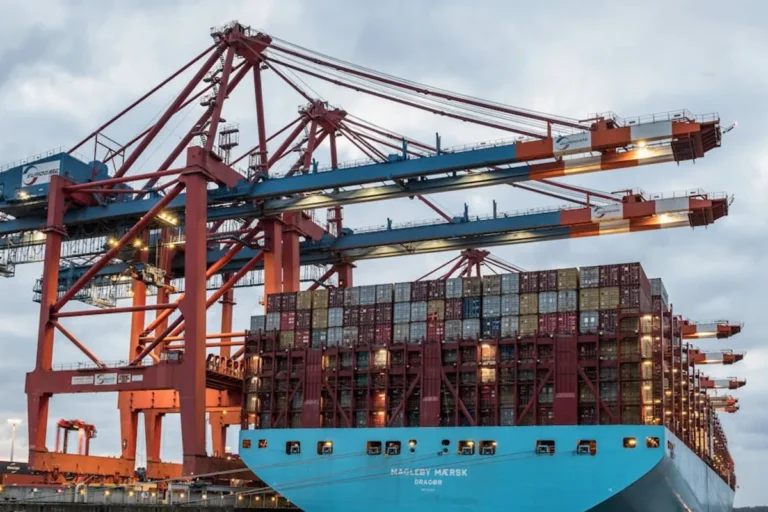
Shipping delays represent more than just a logistical hiccup; they are a direct drain on profitability and a significant threat to customer retention. Businesses face immediate financial penalties through expedited shipping charges, warehouse demurrage, and potential fines, alongside the less tangible but equally damaging costs of lost sales, increased customer service inquiries, and reputational damage. Effectively reducing these costs requires a multifaceted approach, blending proactive planning, operational streamlining, and strategic technological integration. This guide outlines actionable strategies to mitigate the financial impact of shipping delays, focusing on preventative measures and efficient response mechanisms. Understanding the key differences between shipping delays versus warehouse logistics can help identify where to focus cost-saving efforts.
Proactive Planning and Inventory Management
Effective inventory management is the first line of defense against shipping delays and their associated costs. By aligning stock levels with demand, businesses can avoid both costly overstocking and critical stockouts that necessitate rushed, expensive shipments.
Demand Forecasting Accuracy
Precise demand forecasting minimizes the need for last-minute expedited shipping and reduces the risk of carrying excess inventory. This involves analyzing historical sales data, identifying seasonal trends, and integrating market intelligence. Advanced analytics can predict fluctuations, allowing for more strategic inventory positioning.
- Historical Sales Data: Analyze past purchase patterns, including peak seasons, promotional impacts, and year-over-year growth.
- Market Trends and External Factors: Monitor industry news, economic indicators, and consumer behavior shifts that could influence demand.
- Promotional Calendars: Integrate upcoming sales, marketing campaigns, and product launches into forecasts to anticipate demand spikes.
- Supplier Lead Times: Account for the time required to source and receive goods to set realistic reorder points.
Optimized Inventory Levels
Balancing inventory levels means holding enough stock to meet demand without incurring excessive carrying costs. This involves strategic safety stock calculations and, where appropriate, implementing Just-In-Time (JIT) principles.
Safety Stock: Maintain a buffer of inventory to absorb unexpected demand surges or supply chain disruptions. Calculate safety stock based on demand variability and desired service levels to prevent stockouts without tying up excessive capital. For example, a business with highly volatile demand and critical service level agreements will require a higher safety stock than one with stable demand for non-essential items.
Just-In-Time (JIT): For suitable products, JIT inventory minimizes holding costs by having goods arrive precisely when needed for production or dispatch. While highly efficient, JIT requires robust supplier relationships and reliable transportation networks, as any disruption can lead to significant delays and production halts.
Streamlining Logistics and Carrier Relationships
Optimizing the movement of goods and fostering strong carrier partnerships are critical for minimizing delays and their financial fallout.
Carrier Selection and Negotiation
Choosing the right carriers based on performance, reliability, and cost is paramount. This extends beyond headline rates to include service level agreements (SLAs), on-time delivery rates, and claims processing efficiency.
Performance Metrics: Evaluate carriers based on their historical on-time delivery rates, damage rates, and responsiveness to issues. Prioritize carriers with a proven track record for reliability on your specific routes and freight types. For instance, a carrier with a 98% on-time rate for LTL shipments to rural areas is more valuable than one with a 99% rate for FTL to urban centers if your primary need is rural LTL.
Contract Negotiation: Leverage your shipping volume to negotiate favorable terms, including volume discounts, fuel surcharge caps, and specific penalty clauses for non-compliance with agreed-upon transit times. Diversifying carriers can also prevent over-reliance on a single provider, offering backup options during peak seasons or unforeseen disruptions.
Route Optimization and Consolidation
Efficient routing and shipment consolidation directly reduce transit times and transportation costs.
Logistics Software: Utilize Transportation Management Systems (TMS) or route optimization software to identify the most efficient routes, considering traffic, road conditions, and delivery windows. This reduces fuel consumption and driver hours, contributing to cost savings.
Shipment Consolidation: Combine smaller shipments into larger, more cost-effective loads (e.g., Less-than-Truckload (LTL) to Full-Truckload (FTL)) where feasible. Cross-docking strategies can also reduce storage time and speed up the transfer of goods from inbound to outbound transportation.
Real-time Tracking and Communication
Visibility into shipment status allows for proactive problem-solving and keeps customers informed, mitigating dissatisfaction.
GPS Tracking and EDI: Implement systems that provide real-time GPS tracking for vehicles and Electronic Data Interchange (EDI) for automated updates on shipment milestones. This enables immediate identification of delays and allows for rapid intervention.
Automated Alerts: Set up automated alerts for deviations from planned schedules. This allows logistics teams to communicate proactively with affected customers, providing revised delivery estimates and managing expectations before frustration escalates.
Mitigating External Factors and Risk
While some external factors are unavoidable, businesses can implement strategies to reduce their impact on costs and delays.
Robust Packaging and Handling Protocols
Damage during transit leads to costly returns, reshipments, and claims processing. Investing in appropriate packaging reduces these expenses.
Material Choice: Select packaging materials that provide adequate protection for the specific product, considering its fragility, weight, and dimensions. Use appropriate void fill to prevent movement within the package. For example, a fragile electronic component requires custom foam inserts, while textiles might only need durable poly bags.
Carrier Guidelines: Adhere strictly to carrier packaging guidelines, as non-compliance can invalidate insurance claims and lead to additional handling fees or refusal of shipment. Clearly label packages with handling instructions (e.g., "Fragile," "This Side Up").
Insurance and Contingency Planning
Protecting against unforeseen events is crucial for financial stability during delays.
Cargo Insurance: Secure adequate cargo insurance to cover potential losses from damage, theft, or total loss during transit. Understand the terms and conditions of your policy, including what types of delays or damages are covered.
Contingency Plans: Develop alternative plans for common disruption scenarios, such as port congestion, adverse weather, or supplier issues. This might include identifying alternative routes, having backup carriers, or establishing relationships with emergency suppliers. For example, having a secondary port option for international shipments can circumvent delays at a primary, congested port.
Pro Tip: While direct costs like expedited shipping are visible, the erosion of customer loyalty due to repeated delays carries a far greater, often unquantified, long-term cost. Prioritize clear, proactive communication and transparency to mitigate dissatisfaction even when delays are unavoidable. A customer who feels informed is less likely to churn.
Leveraging Technology for Efficiency
Modern logistics technology offers powerful tools to prevent and manage shipping delays, directly impacting cost reduction.
Warehouse Management Systems (WMS)
A WMS optimizes warehouse operations, ensuring efficient order fulfillment and reducing dispatch errors that can lead to delays.
Order Fulfillment: WMS streamlines picking, packing, and shipping processes, reducing the time from order placement to dispatch. This minimizes internal delays and ensures orders are ready for carrier pickup on schedule.
Inventory Accuracy: By maintaining precise inventory records, a WMS prevents stockouts due to inaccurate counts and reduces the time spent searching for items, further speeding up fulfillment.
Transportation Management Systems (TMS)
A TMS provides comprehensive control over the transportation process, from carrier selection to freight auditing.
Carrier Rate Shopping: TMS platforms allow businesses to compare rates and service levels across multiple carriers in real-time, ensuring the most cost-effective and reliable option is selected for each shipment. This avoids paying premium rates unnecessarily.
Load Optimization: These systems can optimize load configurations for trucks, maximizing capacity utilization and reducing the number of required shipments. This directly translates to lower freight costs and fewer potential points of delay.
Implementing a Cost Reduction Strategy
Reducing costs associated with shipping delays is an ongoing process that requires continuous monitoring and adaptation. Begin by conducting a thorough audit of your current logistics operations, identifying common delay points and their root causes. Prioritize addressing the issues with the highest financial impact and implement solutions in phases, allowing for adjustments based on performance data. Regularly review carrier performance, renegotiate contracts, and update technology as needed. Establish clear KPIs for on-time delivery, damage rates, and customer satisfaction to measure the effectiveness of your strategies and drive continuous improvement. Proactive data analysis is key to identifying emerging patterns and preventing future cost escalations.
Frequently Asked Questions
What are the primary hidden costs of shipping delays?
Beyond direct costs like expedited shipping fees, hidden costs include increased customer service inquiries, loss of customer loyalty and future sales, damaged brand reputation, inventory holding costs for delayed inbound shipments, and potential penalties from retailers or distributors for late deliveries.
How can small businesses effectively negotiate with carriers?
Small businesses can negotiate by consolidating their shipping volume with fewer carriers to gain leverage, clearly communicating their specific needs and expectations, and being prepared to walk away if terms are unfavorable. Joining a shipping cooperative or using a freight broker can also provide access to better rates and service levels typically reserved for larger shippers.
Is Just-In-Time (JIT) inventory always the best approach for reducing delay costs?
No, JIT inventory is not always the best approach. While it minimizes holding costs, it increases vulnerability to supply chain disruptions. For products with highly unpredictable demand, long supplier lead times, or reliance on unstable transportation routes, maintaining a strategic safety stock often proves more cost-effective in preventing delays and stockouts.
What role does data analytics play in preventing delays?
Data analytics is crucial for preventing delays by enabling accurate demand forecasting, identifying inefficient routes, pinpointing underperforming carriers, and highlighting recurring issues in the supply chain. By analyzing historical data and real-time operational metrics, businesses can make informed decisions to optimize inventory, select reliable partners, and streamline logistics processes.