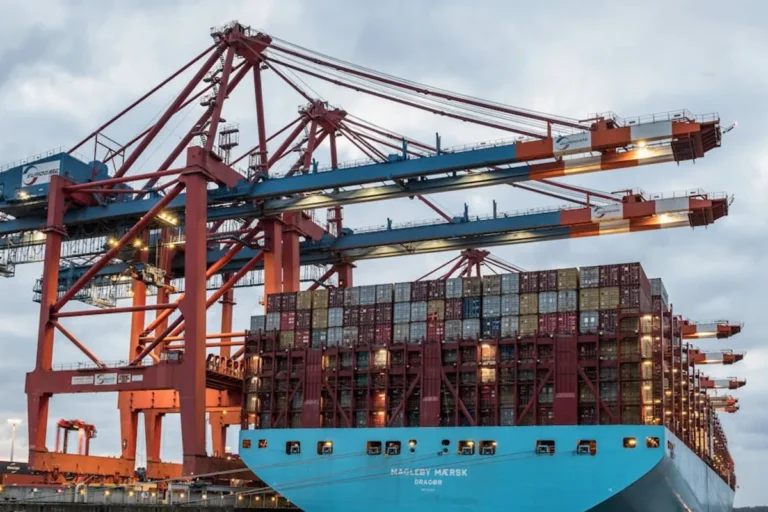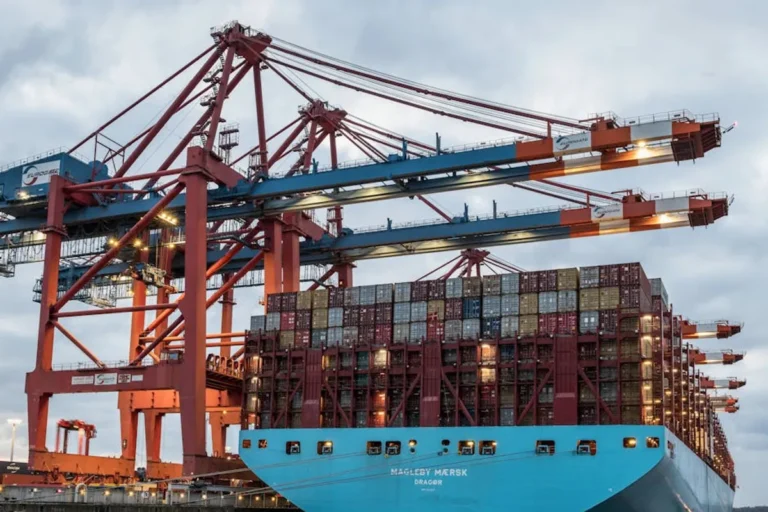
Shipping delays are more than an inconvenience; they represent direct costs, eroded customer trust, and lost revenue for businesses across every sector. In a globalized economy where supply chains are increasingly complex and consumer expectations for rapid delivery are at an all-time high, the financial and reputational impact of late shipments can be substantial. Understanding how technology intervenes to mitigate these issues is not merely an operational concern but a strategic imperative for maintaining competitive advantage and ensuring business continuity.
Real-time Visibility and Predictive Analytics
The traditional logistics model operated largely on historical data and manual updates, leading to blind spots once cargo left a port or warehouse. Modern technology addresses this by providing granular, real-time insights into every stage of the shipping journey. This shift moves businesses from reactive problem-solving to proactive delay prevention.
IoT Sensors and Telematics Integration
Internet of Things (IoT) sensors affixed to packages, pallets, and vehicles transmit continuous data streams regarding location, temperature, humidity, and even shock. This telematics data is aggregated and analyzed, offering an immediate picture of shipment status. For example, a sensor detecting an unexpected temperature spike in a refrigerated container allows for immediate intervention, preventing spoilage and subsequent delivery refusal. This granular data eliminates guesswork and enables rapid response to unforeseen events, directly preventing prolonged delays and cargo loss.
AI-Driven Delay Prediction
Beyond current status, artificial intelligence (AI) algorithms leverage vast datasets—including historical delivery times, weather patterns, traffic conditions, port congestion, and geopolitical events—to predict potential delays before they materialize. These predictive models identify high-risk routes or periods, allowing logistics managers to reroute shipments, adjust schedules, or pre-emptively inform customers. This capability transforms logistics from a reactive system into a foresight-driven operation, where potential bottlenecks are identified and addressed days or even weeks in advance.
Optimized Routing and Fleet Management
Inefficient routing and underutilized fleets contribute significantly to shipping delays. Technology provides the tools to optimize these critical operational areas, ensuring goods move along the fastest, most cost-effective paths.
Dynamic Route Optimization
Advanced algorithms continuously analyze variables like traffic, road closures, weather, and delivery schedules to generate the most efficient routes in real-time. Unlike static route planning, dynamic optimization allows for immediate adjustments based on unfolding events, minimizing transit times and fuel consumption. This capability is crucial for last-mile delivery, where even minor delays can have cascading effects on subsequent deliveries and customer satisfaction.
Fleet Telematics and Driver Performance Monitoring
Integrated telematics systems provide fleet managers with live data on vehicle location, speed, fuel levels, and driver behavior. This not only enhances safety but also identifies inefficiencies. For instance, excessive idling or deviations from planned routes are flagged, allowing for corrective action. By optimizing driver performance and ensuring vehicles are utilized effectively, technology directly contributes to maintaining delivery schedules and reducing unexpected downtime.
Automation in Warehousing and Logistics Hubs
Internal logistics, particularly within warehouses and distribution centers, often represent significant bottlenecks. Automation streamlines these processes, reducing human error and accelerating throughput.
- Automated Storage and Retrieval Systems (AS/RS): These robotic systems manage inventory, picking, and packing with high precision and speed, drastically reducing the time required to process orders and prepare them for shipment.
- Automated Guided Vehicles (AGVs) and Autonomous Mobile Robots (AMRs): These robots transport goods within facilities, eliminating manual labor for repetitive tasks and ensuring a continuous flow of materials, preventing internal delays that can ripple through the supply chain.
- Drone Inventory Management: Drones equipped with cameras and scanners can conduct rapid, accurate inventory counts, reducing the time and labor associated with manual checks and ensuring stock availability for order fulfillment.
Blockchain for Supply Chain Transparency
Lack of transparency across complex supply chains can obscure the origin of delays, making accountability difficult. Blockchain technology offers a decentralized, immutable ledger to track goods and transactions.
Each step in a product's journey—from raw material sourcing to final delivery—can be recorded as a block on the chain. This creates an unalterable audit trail accessible to all authorized parties. When a delay occurs, its exact point of origin and responsible party become immediately clear, facilitating faster resolution and improving accountability. Smart contracts, built on blockchain, can automatically trigger payments or penalties based on predefined conditions (e.g., on-time delivery), incentivizing efficiency across the entire network.
Pro Tip: Successful technology integration in logistics hinges on robust data governance. Ensure all systems are designed for interoperability and that data quality is prioritized. Disparate systems and fragmented data will undermine even the most advanced technological solutions, leading to new forms of operational friction rather than delay reduction.
Customer Communication and Expectation Management
While technology can prevent many delays, some are unavoidable. In these instances, transparent and proactive communication is critical for managing customer expectations and mitigating the negative impact of late deliveries.
AI-powered chatbots and automated notification systems provide customers with real-time updates on their shipment status, including any revised delivery estimates. This proactive approach reduces inbound customer service inquiries and builds trust, even when delays occur. By setting realistic expectations and providing consistent, accurate information, businesses can transform a potentially negative experience into one characterized by transparency and reliability.
Strategic Implementation for Reduced Delays
Addressing shipping delays with technology requires a holistic approach, not just the adoption of isolated tools. Businesses must evaluate their entire supply chain, identify critical pain points, and then strategically deploy integrated technological solutions. This involves investing in data infrastructure, fostering collaboration among logistics partners, and continuously adapting to new innovations. The goal is to build a resilient, transparent, and agile logistics network that can anticipate challenges, respond rapidly to disruptions, and consistently meet demanding delivery schedules.
Frequently Asked Questions
What are the primary causes of shipping delays that technology addresses?
Technology primarily addresses delays caused by inefficient routing, lack of real-time visibility into shipment status, manual errors in warehousing, unforeseen disruptions like traffic or weather, and poor communication across the supply chain. It provides tools for prediction, optimization, automation, and transparency to counter these issues.
How does AI specifically help predict and prevent delays?
AI algorithms analyze vast quantities of historical and real-time data, including weather forecasts, traffic patterns, port congestion, and past delivery performance, to identify potential risks. This allows logistics managers to anticipate disruptions and proactively adjust routes, schedules, or inventory, preventing delays before they impact delivery times.
Is blockchain technology widely adopted for shipping logistics yet?
While still in earlier stages of widespread adoption compared to other technologies like AI or IoT, blockchain is gaining traction in logistics for its ability to enhance supply chain transparency, improve traceability, and streamline documentation. Its immutable ledger provides a verifiable record of transactions and movements, which is particularly valuable for complex international shipments and regulatory compliance.
What is the most critical factor for successful technology implementation in logistics?
The most critical factor is a comprehensive data strategy that ensures data quality, integration across disparate systems, and secure sharing among stakeholders. Without reliable, accessible, and actionable data, even the most advanced technological solutions will struggle to deliver their full potential in reducing shipping delays.