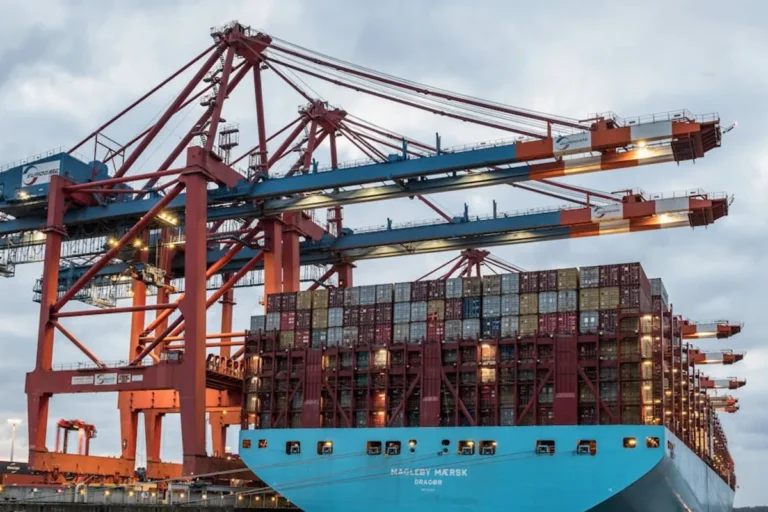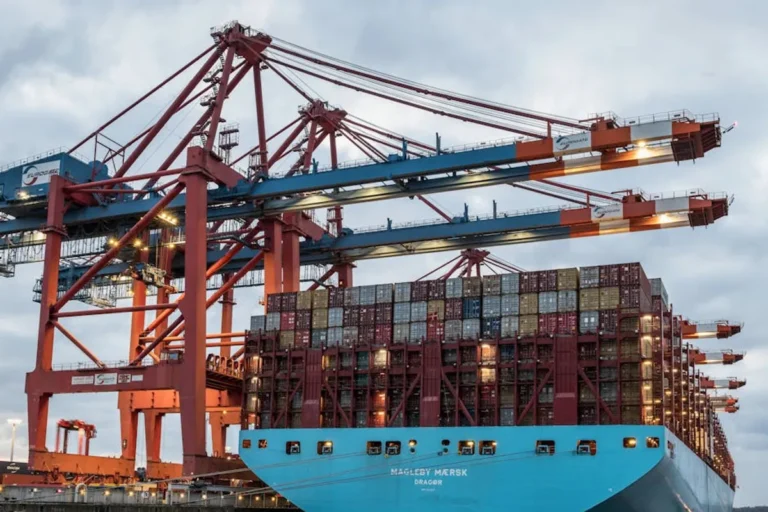
The bulk shipping sector, traditionally reliant on established processes and significant manual oversight, is undergoing a profound technological redefinition. This transformation is not merely about adopting new tools, but fundamentally reshaping operational paradigms, risk management, and commercial viability. Businesses engaged in moving vast quantities of raw materials, commodities, or specialized cargo face increasing pressure to optimize costs, enhance transparency, and meet stringent regulatory demands. Technology offers the critical levers to address these challenges, shifting from reactive problem-solving to proactive, data-driven management across the entire shipping lifecycle.
The Digital Transformation of Bulk Cargo Operations
Modern bulk shipping leverages a suite of digital innovations to move beyond traditional, often opaque, operational methods. The integration of advanced sensors, communication networks, and localized automation is creating more responsive and efficient logistical chains.
Enhanced Visibility and Tracking
Real-time data acquisition is revolutionizing how bulk cargo is monitored from origin to destination. Internet of Things (IoT) devices, embedded in vessels, containers, and even cargo itself, transmit continuous streams of data on location, environmental conditions (temperature, humidity), and integrity. This granular visibility allows for immediate anomaly detection, such as deviations from planned routes or unexpected cargo shifts, enabling proactive intervention rather than post-incident analysis. Satellite communication and advanced GPS systems provide precise positioning, critical for optimizing transit times and managing complex port entries.
Automation in Port Logistics and Warehousing
Ports and associated warehousing facilities are increasingly adopting automation to accelerate throughput and reduce human error. Automated Guided Vehicles (AGVs) handle internal transport of bulk materials, while robotic arms assist in precise loading and unloading operations. Drones conduct rapid, detailed inspections of cargo holds, stockpiles, and infrastructure, identifying potential issues far faster and safer than manual methods. These automated systems operate with consistent precision, contributing to faster turnaround times and reduced operational costs.
Data-Driven Decision Making and Supply Chain Optimization
The sheer volume of data generated by modern shipping operations is now being harnessed to inform strategic decisions, optimizing routes, schedules, and resource allocation. This shift moves decision-making from intuition-based to evidence-based.
Predictive Analytics for Route and Schedule Optimization
Artificial intelligence (AI) and machine learning (ML) algorithms analyze historical and real-time data—including weather patterns, geopolitical events, port congestion, and fuel prices—to predict optimal shipping routes and schedules. These systems can dynamically adjust voyage plans to avoid adverse conditions, minimize fuel consumption, and ensure timely delivery. For bulk carriers, even marginal improvements in route efficiency can translate into significant cost savings and reduced environmental impact over thousands of voyages.
Blockchain for Transparency and Security
Blockchain technology offers an immutable, distributed ledger that records every transaction and event in the shipping process. This creates an unalterable audit trail for cargo ownership, movements, and contractual agreements. For bulk commodities, where provenance and chain of custody are critical, blockchain enhances trust among stakeholders, reduces administrative overhead, and mitigates the risk of fraud or tampering. Smart contracts, executed automatically when predefined conditions are met, streamline payments and compliance, removing manual intervention and potential disputes. This enhances trust through accurate shipping process documentation.
Sustainability and Compliance Through InnovationEnvironmental regulations and corporate social responsibility initiatives are driving the adoption of green technologies and digital tools for compliance in bulk shipping.
Green Technologies and Fuel Efficiency
Technological advancements are directly addressing the environmental footprint of bulk shipping. This includes the development and adoption of alternative fuels (e.g., LNG, ammonia, hydrogen), optimized hull designs that reduce drag, and advanced propulsion systems. AI-driven voyage optimization further contributes by calculating the most fuel-efficient speeds and routes, minimizing greenhouse gas emissions. Exhaust gas cleaning systems (scrubbers) and ballast water treatment systems, mandated by international regulations, are also becoming more sophisticated and integrated into vessel management platforms.
Regulatory Compliance and Digital Documentation
The complexities of international shipping regulations necessitate robust compliance mechanisms. Digital platforms automate the generation and submission of regulatory documents, such as electronic manifests, customs declarations, and environmental reports. AI-powered tools can monitor regulatory changes and alert operators to potential compliance gaps, reducing the risk of penalties and delays. This shift from paper-based to digital documentation streamlines administrative processes and enhances data accuracy.
The Evolving Workforce in Bulk Shipping
The influx of technology is reshaping the skill sets required within the bulk shipping industry. While some traditional manual roles may diminish, there is a growing demand for professionals proficient in data analytics, cybersecurity, automation management, and remote operations. Training programs are adapting to equip the workforce with these new competencies, ensuring that human expertise complements technological capabilities rather than being replaced by them. Remote monitoring centers, for instance, allow onshore teams to oversee and manage fleets globally, requiring advanced technical and analytical skills.
Key technological impacts on bulk shipping:
- Reduced operational costs through automation and efficiency gains.
- Enhanced supply chain transparency and traceability.
- Improved safety for crew and cargo via remote monitoring and predictive maintenance.
- Greater compliance with environmental and international regulations.
- Faster decision-making supported by real-time data and predictive analytics.
Strategic Investment in Future Bulk Shipping
For companies operating in bulk shipping, strategic investment in technology is no longer an option but a commercial imperative. The integration of IoT, AI, blockchain, and automation offers a clear path to achieving greater operational efficiency, reducing environmental impact, and securing a competitive edge. Businesses that prioritize digital transformation will be better positioned to navigate market volatility, meet evolving customer demands for transparency, and comply with increasingly stringent global regulations. The future of bulk shipping is intrinsically linked to its capacity to innovate and leverage these advanced tools for resilient and profitable operations.
Frequently Asked Questions
Q: What is the primary benefit of IoT in bulk shipping?
A: The primary benefit is enhanced real-time visibility into cargo location, condition, and vessel performance, enabling proactive management and anomaly detection.Q: How does AI contribute to cost reduction in bulk shipping?
A: AI optimizes routes, speeds, and fuel consumption by analyzing vast datasets, leading to significant savings on operational costs and reduced emissions.Q: Can blockchain truly prevent fraud in bulk cargo transactions?
A: While not a standalone panacea, blockchain creates an immutable, transparent record of all transactions and ownership transfers, significantly deterring fraud and improving accountability.Q: What new skills are most critical for the bulk shipping workforce due to technology?
A: Critical new skills include data analytics, cybersecurity, automation system management, and proficiency in remote monitoring and control technologies.