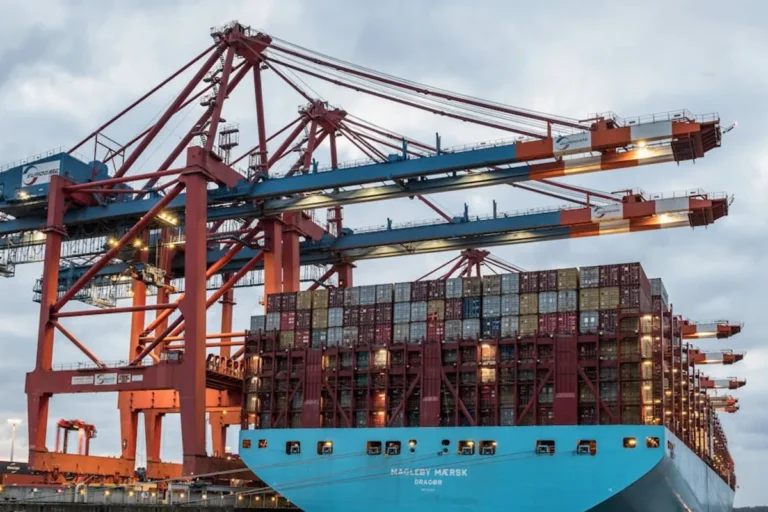
In modern global trade, supply chains are complex, extended networks spanning continents and involving numerous independent entities. For businesses managing these intricate operations, a lack of insight into the movement and status of goods can translate directly into financial losses, missed market opportunities, and eroded customer trust. Supply chain visibility (SCV) is not merely a desirable feature; it is a fundamental operational requirement for maintaining competitiveness and ensuring resilience in an unpredictable global economy. This is why supply chain visibility is a fundamental operational requirement for maintaining competitiveness and ensuring resilience.
Defining Supply Chain Visibility in Global Trade
Supply chain visibility refers to the ability to track products, information, and financial flows from the point of origin through manufacturing, distribution, and delivery to the end customer. In a global context, this extends across international borders, multiple modes of transport, diverse regulatory environments, and a multitude of partners, including raw material suppliers, manufacturers, freight forwarders, customs brokers, and last-mile carriers. True visibility means having real-time, actionable data on inventory levels, shipment locations, order statuses, and potential disruptions across the entire network.
Beyond Simple Tracking: The Data Layer
While basic tracking provides a simple "where is it now" update, comprehensive supply chain visibility integrates this location data with a rich layer of contextual information. This includes details on temperature, humidity, potential delays due to weather or geopolitical events, compliance documentation status, and projected arrival times. The objective is to move beyond reactive problem-solving to proactive risk management and strategic optimization. This data layer enables stakeholders to understand not just what is happening, but why it is happening, and what the potential downstream effects could be.
Core Pillars of Modern SCV Implementation
Effective supply chain visibility in global trade relies on several interconnected pillars that transform raw data into strategic intelligence.
Data Collection and Integration
This involves gathering information from disparate sources across the supply chain. This includes Electronic Data Interchange (EDI) messages, API integrations with logistics providers' systems, sensor data from IoT devices on shipments, and enterprise resource planning (ERP) systems. The challenge lies in harmonizing these varied data formats into a unified, accessible platform that provides a single source of truth.
Real-time Monitoring and Alerting
Once data is integrated, it must be continuously monitored against predefined parameters and expected timelines. Deviations trigger automated alerts, notifying relevant personnel of potential issues such as delays, temperature excursions, or customs hold-ups. This allows for immediate intervention and mitigation, minimizing the impact of disruptions.
Predictive Analytics and Scenario Planning
Leveraging historical data and machine learning algorithms, SCV systems can forecast potential disruptions and model the impact of various scenarios. For instance, predicting port congestion based on current shipping volumes or estimating the effect of a natural disaster on specific routes. This capability shifts operations from reactive to predictive, enabling businesses to adjust plans before problems fully materialize.
Key Technologies Enabling SCV
The advancements in several technological domains have been instrumental in making sophisticated SCV a reality for global trade.
- IoT and Sensor Data: Internet of Things devices embedded in containers or individual packages provide real-time data on location, temperature, shock, and humidity, crucial for monitoring sensitive or high-value goods.
- Blockchain for Traceability: Distributed ledger technology offers an immutable and transparent record of transactions and movements, enhancing trust and verifying the authenticity of goods and their origins, particularly valuable for ethical sourcing and combating counterfeiting.
- AI and Machine Learning for Optimization: Artificial intelligence analyzes vast datasets to identify patterns, predict future events, and recommend optimal routes, inventory levels, or supplier choices, significantly improving efficiency and reducing waste.
- Cloud-Based Platforms: These platforms provide scalable infrastructure for data storage and processing, enabling seamless collaboration among geographically dispersed supply chain partners without heavy upfront IT investments.
Commercial Impact: Why Visibility Drives Profitability
The direct commercial benefits of robust supply chain visibility are substantial and directly influence a company's bottom line and market position.
Risk Mitigation and Resilience
By identifying potential disruptions early, businesses can reroute shipments, activate contingency plans, and communicate proactively with customers. This reduces the financial impact of delays, damage, or loss, and builds a more resilient supply chain capable of withstanding global volatility.
Operational Efficiency and Cost Reduction
Optimized routing, reduced dwell times, improved inventory management, and minimized waste all contribute to lower operational costs. Visibility allows for better resource allocation, fewer expedited shipments, and more efficient warehouse operations.
Customer Satisfaction and Brand Reputation
Accurate, real-time information enables businesses to provide precise delivery estimates and proactive updates to customers. This transparency builds trust and enhances customer satisfaction, which are critical differentiators in competitive markets.
Regulatory Compliance and Ethical Sourcing
Detailed traceability records facilitate compliance with international trade regulations, customs requirements, and industry-specific standards. For consumers increasingly concerned with ethical production, SCV provides verifiable proof of responsible sourcing and labor practices, safeguarding brand reputation.
Pro Tip: When evaluating SCV solutions, prioritize platforms that offer robust API capabilities for integration with your existing ERP, TMS, and WMS systems. A solution that cannot seamlessly exchange data with your current infrastructure will create new silos, undermining the very visibility you aim to achieve.
Implementing an Effective SCV Strategy
Developing a successful supply chain visibility strategy requires a structured approach:
- Define Clear Objectives: Identify specific pain points and desired outcomes, whether it's reducing transit times, improving on-time delivery, or enhancing compliance.
- Map Your Supply Chain: Understand all participants, data flows, and potential bottlenecks from raw material to final delivery.
- Assess Current Data Capabilities: Determine what data is currently collected, its quality, and how it is shared.
- Pilot a Solution: Start with a specific segment of your supply chain or a particular product line to test and refine your SCV platform before a full rollout.
- Foster Collaboration: Engage key partners—suppliers, carriers, 3PLs—early in the process to ensure their buy-in and data sharing willingness.
- Invest in Training: Ensure your team is proficient in using the new tools and interpreting the insights generated.
- Continuously Optimize: Supply chains are dynamic; regularly review and adapt your SCV strategy to evolving market conditions and technological advancements.
Actionable Next Steps
For businesses seeking to enhance their global trade operations, the immediate focus should be on identifying critical visibility gaps. Begin by auditing your current data collection points and assessing the timeliness and accuracy of information received from key partners. Prioritize areas where a lack of visibility leads to significant costs or customer dissatisfaction. Engage with technology providers that specialize in supply chain orchestration and data integration to understand how their platforms can bridge these gaps, focusing on solutions that offer demonstrable ROI through improved efficiency, reduced risk, and enhanced customer service.
FAQ
What is the primary goal of supply chain visibility in global trade?
The primary goal is to provide real-time, end-to-end insight into the movement of goods, information, and finances across international supply networks, enabling proactive decision-making and risk mitigation.
How does SCV differ from traditional shipment tracking?
SCV goes beyond simple location tracking by integrating comprehensive data on conditions, compliance, and potential disruptions across the entire supply chain, offering predictive and analytical capabilities for strategic optimization.
What are the main challenges in achieving full supply chain visibility?
Key challenges include integrating disparate data systems from numerous partners, ensuring data quality and standardization, managing data security across the network, and gaining buy-in from all supply chain stakeholders.
Can small businesses benefit from supply chain visibility solutions?
Yes, even small businesses can benefit significantly. Cloud-based and modular SCV solutions are increasingly accessible, allowing smaller operations to gain crucial insights into their logistics, reduce costs, and improve customer satisfaction without extensive IT infrastructure.