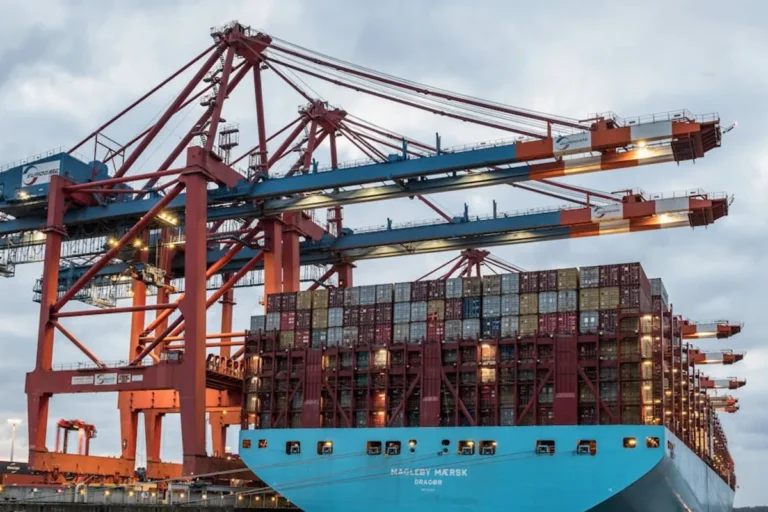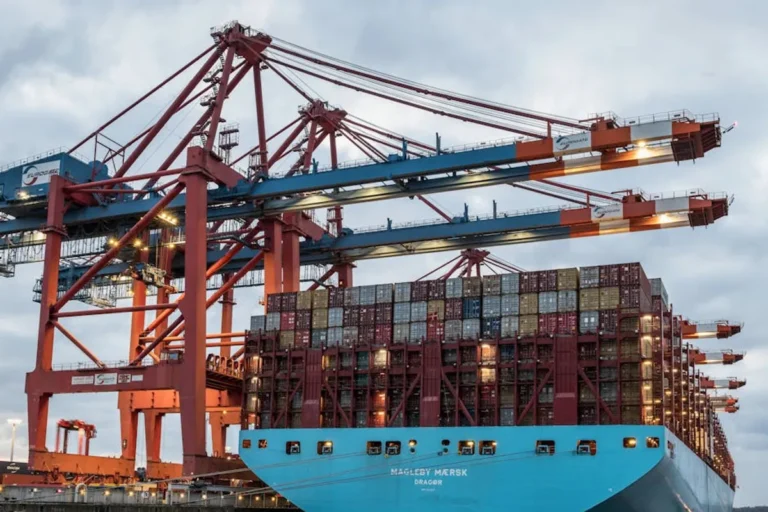
Modern global trade relies on an intricate web of logistics, and at its core lies shipping documentation. These documents are not merely bureaucratic formalities; they are the legal backbone of international transactions, dictating the movement, ownership, and financial terms of goods across borders. Understanding how these documents function is crucial for any business engaged in import or export, as errors or omissions can lead to significant delays, fines, cargo seizure, and disrupted supply chains. Effective management of shipping documentation ensures customs compliance, facilitates payment, and provides transparency throughout the entire journey from origin to destination. Understanding what shipping documentation is and its role is fundamental for smooth international transactions.
Key Documents and Their Functions
The array of documents required for international shipping varies based on the type of goods, countries involved, and modes of transport. However, several core documents are universally critical.
Bill of Lading (BoL)
The Bill of Lading is arguably the most pivotal document in ocean freight. It serves three primary functions:
- Contract of Carriage: It outlines the terms and conditions between the shipper and the carrier for transporting goods.
- Receipt of Goods: It confirms that the carrier has received the goods in good order and condition for shipment.
- Document of Title: For negotiable (original) Bills of Lading, it represents ownership of the goods. The party holding the original BoL has the right to claim the cargo.
Purpose: Ensures the carrier delivers goods to the rightful consignee and facilitates payment through letters of credit, as banks often require an original BoL before releasing funds.
Commercial Invoice
This document is the fundamental record of the transaction between the exporter and importer. It is essential for customs clearance in the importing country and for calculating duties and taxes.
Key details included: Seller and buyer information, description of goods (including HS codes), quantity, unit price, total value, currency, terms of sale (Incoterms), and payment terms.
Purpose: Provides customs authorities with the necessary information to assess the value of imported goods and apply appropriate tariffs. It also serves as the basis for the financial transaction.
Packing List
While often accompanying the commercial invoice, the packing list provides a detailed breakdown of the contents of each package within a shipment. It does not include pricing information.
Key details included: Marks and numbers on packages, number and type of packages, contents of each package, gross and net weights, and dimensions.
Purpose: Assists customs officials in verifying the contents of a shipment during inspection without revealing financial details. It is also crucial for cargo handlers and warehouse personnel for inventory management and identification of specific items.
Certificate of Origin (CoO)
A Certificate of Origin is a document that certifies the country where goods were manufactured, produced, or processed. It is often required for customs clearance and to determine eligibility for preferential tariffs under free trade agreements.
Purpose: Helps customs authorities enforce trade agreements, quotas, and anti-dumping measures. It can significantly impact the amount of duty payable on imported goods.
Export/Import Licenses
Depending on the type of goods and the countries involved, specific export or import licenses may be required. These are government-issued permits that authorize the movement of controlled or restricted items.
Examples: Licenses for dual-use technology, hazardous materials, certain agricultural products, or cultural artifacts.
Purpose: Ensures national security, protects public health and safety, and enforces international treaties and sanctions.
Other Specialized Documents
Many shipments require additional, industry-specific documentation:
- Health Certificates: For food products, plants, and animals, certifying they meet health and safety standards.
- Phytosanitary Certificates: For plant products, confirming they are free from pests and diseases.
- Dangerous Goods Declaration: Required for hazardous materials, detailing their classification, handling instructions, and emergency procedures.
- Insurance Certificate: Proof of cargo insurance coverage.
- Fumigation Certificate: Confirms that wooden packaging materials have been treated to prevent pest infestation.
The Role of Digitalization in Documentation
The traditional paper-heavy process of shipping documentation is undergoing significant transformation through digitalization. Electronic Data Interchange (EDI), blockchain technology, and integrated logistics platforms are streamlining document exchange and processing.
Benefits of digitalization:
- Reduced errors: Automated data entry minimizes manual mistakes.
- Faster processing: Digital documents can be transmitted instantly, accelerating customs clearance and payment cycles.
- Enhanced transparency: Real-time tracking and immutable records improve visibility and accountability.
- Cost savings: Lower printing, storage, and administrative expenses.
However, the transition requires robust cybersecurity measures and interoperability between different systems used by various stakeholders in the supply chain.
Pro Tip: Always double-check Harmonized System (HS) codes on your commercial invoices and export declarations. Incorrect HS codes are a leading cause of customs delays, miscalculated duties, and potential fines. Invest in training your team on proper classification or engage a customs broker for verification.
Compliance and Risk Mitigation
Non-compliance in shipping documentation carries substantial risks. Penalties can range from monetary fines and cargo delays to outright seizure of goods and legal action. Mitigating these risks requires a proactive approach:
- Accuracy and Completeness: Ensure all information is precise, consistent across documents, and complete. Discrepancies between the commercial invoice and packing list, for example, can trigger customs scrutiny.
- Understanding Regulations: Stay updated on import/export regulations, customs laws, and trade agreements of all involved countries. These regulations are dynamic and can change frequently.
- Due Diligence: Verify the legitimacy of all parties involved in the transaction, especially when dealing with new partners or high-risk regions.
- Record Keeping: Maintain meticulous records of all shipping documents for the legally required period, which can vary by jurisdiction.
Streamlining Documentation Processes
Businesses can adopt several strategies to optimize their shipping documentation workflows:
- Standardized Templates: Utilize consistent templates for frequently used documents to ensure all necessary fields are completed.
- Automation Software: Implement freight management systems or enterprise resource planning (ERP) solutions that integrate documentation generation with other logistics functions.
- Training and Education: Regularly train staff involved in logistics and international trade on documentation requirements and compliance best practices.
- Partner with Experts: Leverage the expertise of freight forwarders, customs brokers, and trade consultants who specialize in navigating complex international regulations and documentation.
- Internal Audits: Periodically review documentation processes and completed documents to identify and correct potential weaknesses before they lead to problems.
Actionable Takeaways for Efficient Global Trade
Navigating the complexities of shipping documentation is a continuous process that demands attention to detail and a commitment to compliance. For businesses seeking to optimize their global trade operations, focus on these key areas:
- Prioritize Data Accuracy: Treat every field on every document as critical. Inaccurate data is the most common cause of delays and penalties.
- Embrace Technology: Explore and implement digital solutions for document generation, management, and secure exchange. This reduces manual effort and improves data integrity.
- Invest in Expertise: Whether through internal training or external partnerships with customs brokers and freight forwarders, ensure your team has access to current regulatory knowledge.
- Build Robust Internal Controls: Establish clear procedures and checkpoints for document preparation and review to catch errors before shipment.
- Stay Informed: Regularly monitor changes in trade regulations, customs requirements, and international agreements that could impact your shipping operations.
Frequently Asked Questions
What is the most critical shipping document for international trade?
The Bill of Lading (for ocean freight) and the Commercial Invoice are generally considered the most critical. The Bill of Lading serves as a contract, receipt, and document of title, while the Commercial Invoice is essential for customs valuation and duties.
How does digitalization benefit shipping documentation?
Digitalization streamlines processes by reducing manual errors, accelerating document transmission, enhancing transparency through real-time tracking, and lowering administrative costs associated with paper-based systems.
What are the primary risks associated with incorrect shipping documentation?
Incorrect documentation can lead to significant risks, including customs delays, monetary fines, cargo seizure, demurrage charges, supply chain disruptions, and potential legal liabilities for non-compliance.
Who is responsible for preparing shipping documents?
The primary responsibility for preparing accurate shipping documents typically lies with the exporter or shipper. However, freight forwarders and customs brokers often assist in preparing and reviewing these documents to ensure compliance.