For any enterprise moving goods across international borders, ocean freight represents the backbone of global commerce. It handles over 80% of world trade by volume, making it the most cost-effective solution for transporting large quantities of goods over vast distances. Businesses relying on global supply chains—from manufacturers sourcing raw materials to retailers importing finished products—must understand the intricate workings of ocean freight. Missteps in this complex process lead to delays, unexpected costs, and damaged reputations. Mastering ocean freight logistics is not merely about booking a container; it involves strategic planning, meticulous documentation, and a clear grasp of the various service types and cost drivers that directly impact a company’s bottom line and competitive edge. Understanding how ocean freight matters for reliable supply chains is vital for any business involved in international trade.
The Foundational Role of Ocean Freight in Global Supply Chains
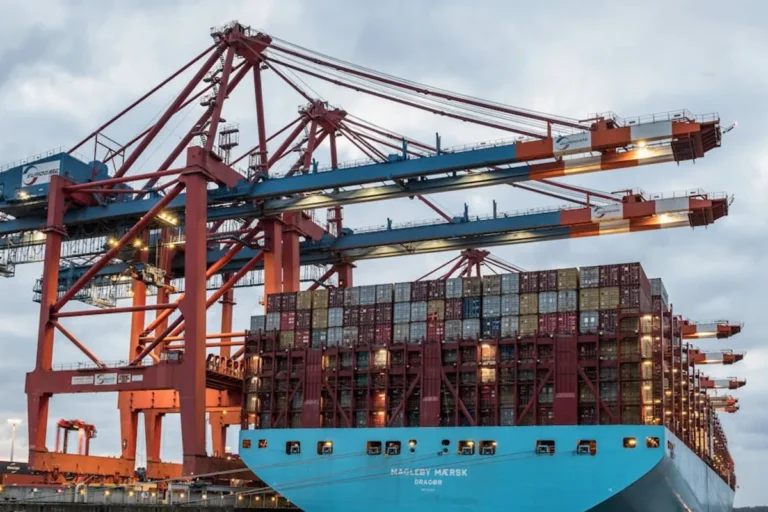
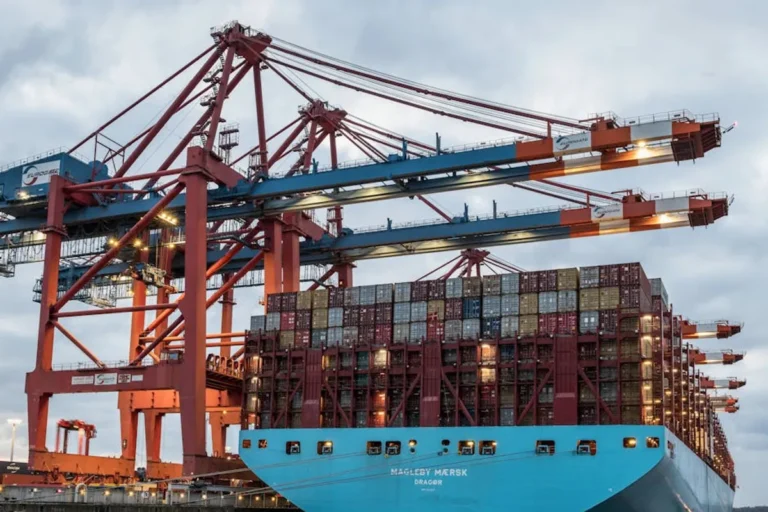
Ocean freight's dominance stems from its unparalleled capacity and economic efficiency for bulk cargo. Unlike air freight, which prioritizes speed and is suitable for high-value, low-volume goods, ocean shipping excels at moving heavy, bulky, or low-margin products where transit time is less critical than cost. This includes everything from industrial machinery and automotive parts to consumer electronics, apparel, and agricultural commodities. The scale of modern container ships allows for economies of scale that significantly reduce per-unit shipping costs, making global sourcing and distribution feasible for countless industries. Without robust ocean freight infrastructure, the current model of interconnected global manufacturing and consumption would be unsustainable.
Key Components of the Ocean Freight Process
Navigating ocean freight requires a detailed understanding of its operational stages, each with specific requirements and potential pitfalls. A detailed understanding of its operational stages helps in avoiding common ocean freight mistakes and ensuring smooth transit.
Booking and Documentation
The process begins with securing space on a vessel, typically through a freight forwarder or directly with a shipping line. Critical documentation follows, serving multiple purposes from legal liability to customs clearance. Key documents include:
- Bill of Lading (BOL): A contract between the shipper and the carrier, acting as a receipt for goods, a title of ownership, and a document of title. It details the cargo, its destination, and the terms of carriage.
- Commercial Invoice: Provides details of the transaction between the exporter and importer, including goods description, quantity, price, and payment terms. Essential for customs valuation.
- Packing List: Itemizes the contents of each package or container, including dimensions and weight. This aids customs inspections and cargo handling.
- Export/Import Licenses: Required for specific goods or destinations, ensuring compliance with trade regulations.
Accurate and complete documentation is paramount. Errors can lead to significant delays, fines, and even cargo seizure at customs.
Containerization and Loading
Standardization through ISO shipping containers revolutionized ocean freight. Most general cargo moves in 20-foot (TEU) or 40-foot (FEU) containers, including specialized types like refrigerated (reefer) or open-top containers. Shippers choose between:
- Full Container Load (FCL): The shipper uses the entire container for their goods, even if not fully loaded. This offers faster transit and less handling.
- Less than Container Load (LCL): Multiple shippers share space within a single container. This is cost-effective for smaller volumes but involves additional consolidation and deconsolidation steps, potentially extending transit times.
Loading involves careful stowage planning to maximize space, distribute weight evenly, and secure cargo against movement during transit, preventing damage.
Vessel Operations and Transit
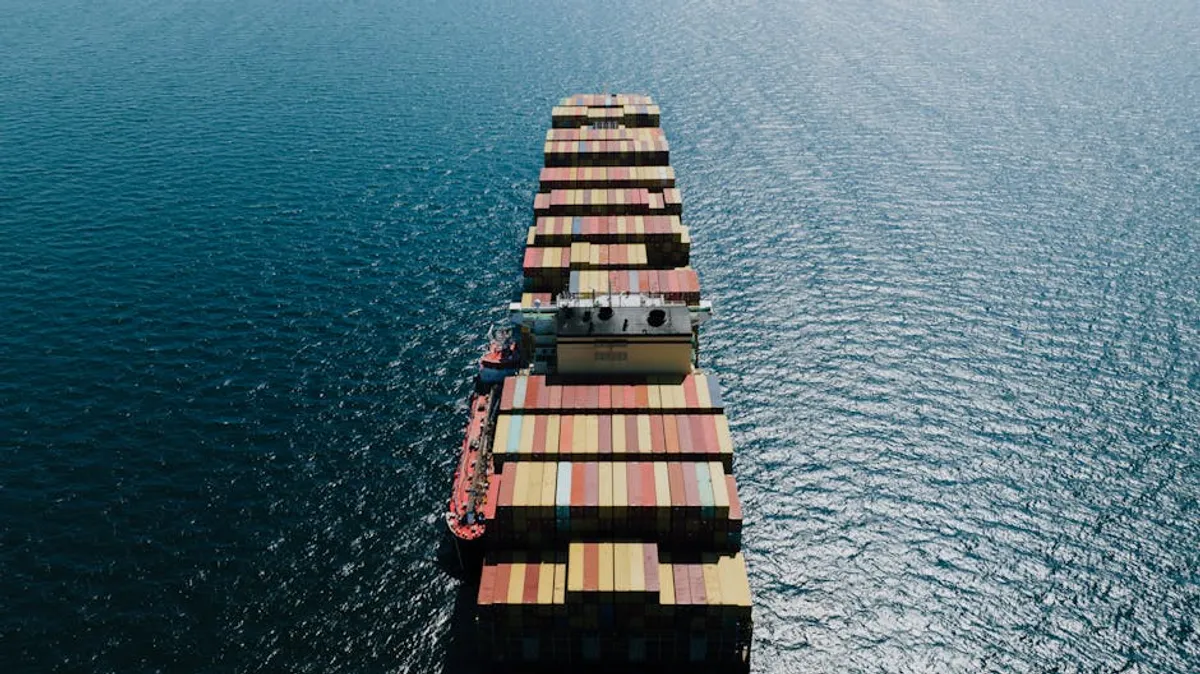
Once loaded, containers are transported to a port, loaded onto a vessel, and begin their sea voyage. Route planning considers factors like fuel efficiency, geopolitical stability, and port congestion. Transit times vary significantly based on the origin, destination, and service route (e.g., direct vs. transshipment with multiple port calls). External factors like adverse weather, canal closures, or port strikes can impact schedules, necessitating flexible supply chain planning.
Customs Clearance and Delivery
Upon arrival at the destination port, cargo undergoes import customs clearance. This involves submitting documentation, paying applicable duties and taxes, and complying with local import regulations. Once cleared, the cargo is either picked up by the consignee or transported via truck or rail for final delivery to its destination, often referred to as the "last mile."
Types of Ocean Freight Services
Beyond FCL and LCL, specialized services cater to diverse cargo needs:
- Roll-on/Roll-off (RoRo): Designed for wheeled cargo like cars, trucks, and heavy equipment that can be driven onto and off the vessel.
- Break Bulk: For oversized or irregularly shaped cargo that cannot fit into standard containers, such as large machinery or construction components. These items are typically loaded individually into the ship's hold.
- Project Cargo: Highly specialized and often involves complex logistics for extremely large, heavy, or high-value items, frequently requiring custom vessels and handling equipment.
Factors Influencing Ocean Freight Costs and Efficiency
Ocean freight pricing is dynamic, influenced by a multitude of variables:
- Base Freight Rate: The cost for transporting cargo from port to port.
- Surcharges: Numerous additional fees, including:
- Bunker Adjustment Factor (BAF): Reflects fluctuations in fuel prices.
- Currency Adjustment Factor (CAF): Accounts for currency exchange rate volatility.
- Peak Season Surcharge (PSS): Applied during periods of high demand.
- Port Congestion Surcharge: Imposed when ports experience significant delays.
- Demurrage and Detention: Fees incurred when containers remain at the port (demurrage) or with the consignee (detention) beyond allotted free time.
- Origin/Destination Charges: Costs associated with handling, drayage, and customs at both ends.
- Cargo Characteristics: Weight, volume, and special handling requirements (e.g., hazardous materials, temperature control) directly impact costs.
Pro Tip: To avoid unexpected demurrage and detention charges, meticulously plan your logistics chain. Ensure all documentation is accurate and submitted promptly, coordinate with your customs broker for pre-clearance where possible, and confirm inland transport availability before your vessel arrives. Unforeseen delays at the port or during final delivery can quickly erode profit margins.
Navigating Modern Ocean Freight: Technology and Trends
The ocean freight industry is undergoing significant transformation driven by technology and sustainability imperatives. Digitalization offers enhanced visibility, allowing shippers to track cargo in real-time, automate documentation, and streamline booking processes through online platforms. Data analytics helps optimize routes, predict delays, and improve capacity utilization. Simultaneously, there is a growing focus on sustainability, with carriers investing in greener fuels, optimizing vessel speeds, and exploring alternative propulsion systems to reduce emissions. These advancements contribute to more efficient, transparent, and environmentally responsible supply chains.
Optimizing Your Ocean Freight Strategy
Effective ocean freight management is a strategic advantage. It requires a proactive approach to planning, risk mitigation, and partner selection. Businesses must analyze their cargo profiles, budget constraints, and desired transit times to select the most appropriate service type. Understanding Incoterms (International Commercial Terms) is crucial for defining responsibilities and costs between buyer and seller. Building strong relationships with reliable freight forwarders and carriers who offer transparent pricing and robust communication channels is essential. Continuous monitoring of market conditions, geopolitical developments, and technological advancements allows for agile adjustments to shipping strategies, ensuring resilience and cost-effectiveness in a volatile global trade environment.
Frequently Asked Questions About Ocean Freight
What is the primary difference between FCL and LCL shipping?
FCL (Full Container Load) means a single shipper uses an entire container, offering faster transit and less handling. LCL (Less than Container Load) involves multiple shippers sharing container space, which is more cost-effective for smaller volumes but typically slower due to consolidation and deconsolidation.
How long does ocean freight typically take?
Transit times vary significantly based on the origin and destination, ranging from a few days for short-sea routes to several weeks (e.g., 20-45 days) for transcontinental shipments. Factors like port congestion, weather, and customs clearance also influence the total duration.
What are the most essential documents for an ocean freight shipment?
The key documents are the Bill of Lading (BOL), Commercial Invoice, and Packing List. Depending on the cargo and destination, export/import licenses, certificates of origin, and hazardous material declarations may also be required.
How are ocean freight costs calculated?
Ocean freight costs are determined by a base freight rate, which considers cargo volume/weight and route, plus various surcharges like BAF (Bunker Adjustment Factor) for fuel, CAF (Currency Adjustment Factor), peak season surcharges, and origin/destination handling fees.