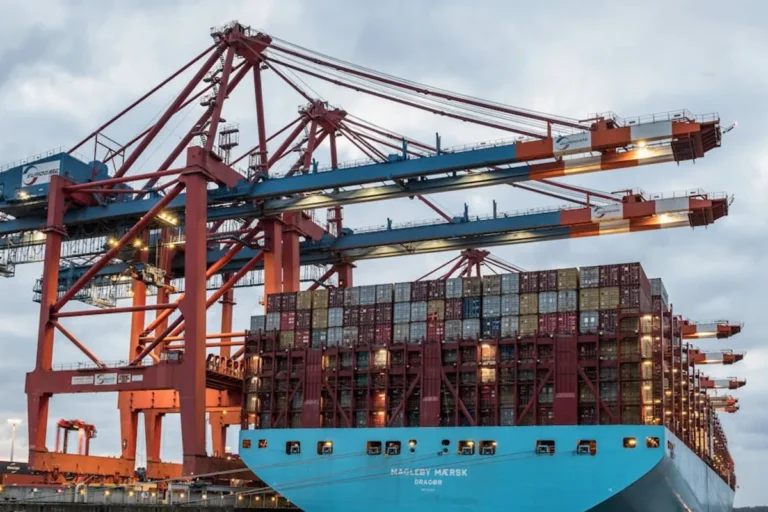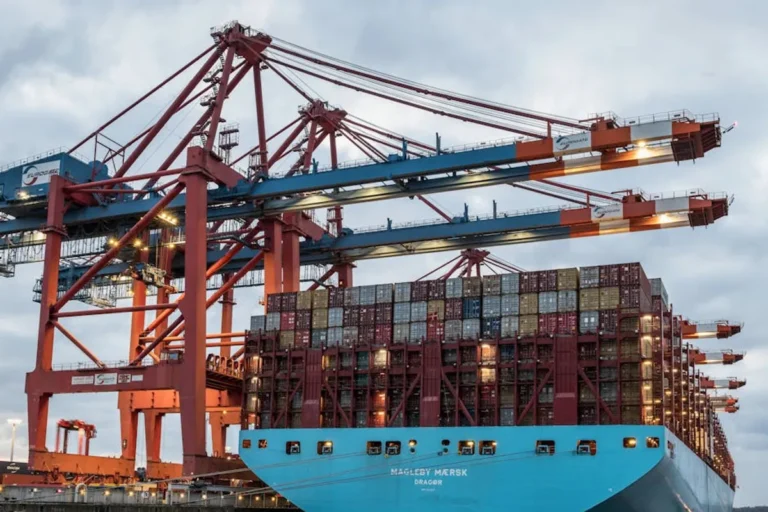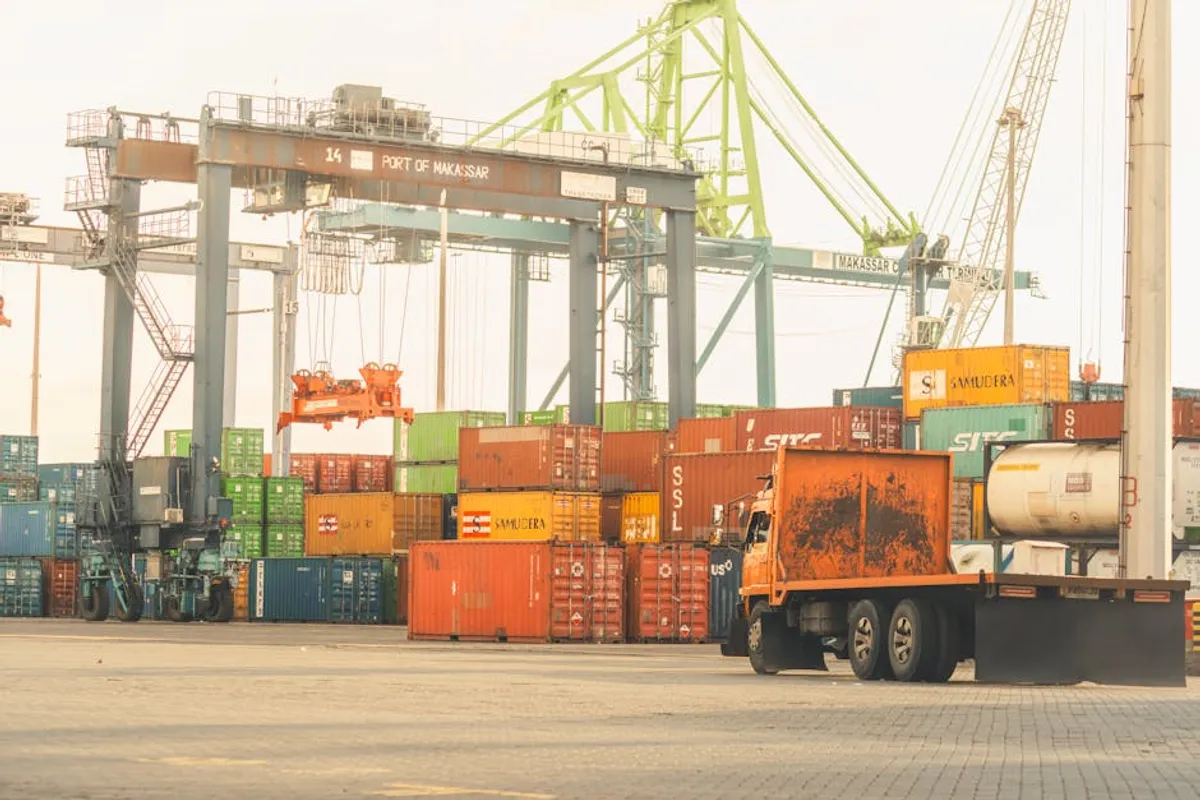
Navigating the complexities of international trade requires a precise understanding of customs clearance, a pivotal stage that determines the speed, cost, and legality of goods moving across borders. For businesses engaged in global commerce, from small e-commerce operations to multinational corporations, efficient customs clearance is not merely a regulatory hurdle but a critical component of supply chain optimization and cost management. Errors or delays at this stage can lead to significant financial penalties, storage fees, and disrupted delivery schedules, directly impacting customer satisfaction and profitability. This article outlines the operational mechanics of customs clearance in modern global trade, detailing the essential documentation, compliance requirements, and strategic considerations for ensuring seamless cross-border transactions. This technological shift means that modern customs clearance often relies on how technology streamlines processes and enhances overall efficiency.
Understanding the Core Function of Customs Clearance
Customs clearance is the process of obtaining official permission from a country's customs authority to import or export goods. This involves submitting accurate documentation, paying applicable duties and taxes, and ensuring compliance with all local and international trade regulations. The primary objective is to control the flow of goods, collect revenue through tariffs, and enforce import/export restrictions related to security, health, and environmental standards. The process typically begins when goods arrive at a port of entry or exit and concludes with their release for domestic distribution or international shipment.
The Essential Documentation Checklist
Accurate and complete documentation is the bedrock of efficient customs clearance. Any discrepancy can trigger delays, inspections, or even seizure of goods. Key documents typically required include:
- Commercial Invoice: Provides details of the transaction between the exporter and importer, including product descriptions, quantities, unit prices, and total value. Customs uses this to assess duties and taxes.
- Packing List: Itemizes the contents of each package within a shipment, including dimensions and weight. It aids customs in verifying cargo and managing inspections.
- Bill of Lading (for sea freight) or Air Waybill (for air freight): A contract between the shipper and the carrier, serving as a receipt for goods and a document of title. It provides crucial information about the shipment's origin, destination, and consignee.
- Certificate of Origin: States the country where the goods were manufactured or produced. This document is vital for determining eligibility for preferential duty rates under free trade agreements.
- Import/Export Licenses: Required for specific regulated goods, such as certain chemicals, pharmaceuticals, or dual-use items. These licenses ensure compliance with national security, health, or environmental policies.
- Customs Declaration Form: The official form submitted to customs authorities, summarizing all relevant shipment details for import or export.
Key Players in the Clearance Process
Several parties collaborate to facilitate customs clearance:
- Importer/Exporter: The entity responsible for initiating the shipment and ensuring all necessary information and funds are available. They bear ultimate responsibility for compliance.
- Carrier (Freight Forwarder): The company transporting the goods. They handle logistics and often provide documentation support.
- Customs Broker: A licensed professional acting as an intermediary between the importer/exporter and customs authorities. Brokers specialize in navigating complex regulations, preparing declarations, and expediting clearance. Their expertise can significantly reduce delays and costs.
- Customs Authorities: The government agency (e.g., U.S. Customs and Border Protection, HMRC in the UK) responsible for enforcing trade laws, assessing duties, and clearing goods.
Navigating Duties, Taxes, and Trade Compliance
Beyond documentation, understanding the financial and regulatory aspects of customs is paramount. Duties and taxes represent a significant cost component of international trade, while compliance ensures legal operation.
The Role of Harmonized System (HS) Codes
The Harmonized System (HS) is an internationally standardized system of names and numbers for classifying traded products. Developed by the World Customs Organization (WCO), HS codes are used by customs authorities worldwide to identify products for duty and tax assessment, data collection, and trade policy enforcement. Each product is assigned a specific six-digit code, which can extend to ten or more digits at the national level for greater specificity. Accurate HS classification is critical; misclassification can lead to incorrect duty payments, penalties, and customs delays.
Free Trade Agreements and Their Impact
Free Trade Agreements (FTAs) are treaties between two or more countries designed to reduce or eliminate certain barriers to trade, including tariffs and quotas. Utilizing FTAs can significantly lower import duties, making goods more competitive in target markets. Eligibility for FTA benefits typically requires a Certificate of Origin, proving that the goods meet the "rules of origin" specified in the agreement. Businesses must proactively identify and leverage applicable FTAs to optimize landed costs.
Pro Tip: Invest in regular training for your logistics and compliance teams regarding HS code classification. The nuances of product categorization can be subtle, and an incorrect code, even if unintentional, can lead to substantial fines and retroactive duty payments. Consider engaging a customs broker for complex classifications or high-volume shipments to mitigate risk.
Leveraging Technology for Efficient Clearance
Modern customs clearance is increasingly driven by technology, which streamlines processes, enhances accuracy, and improves transparency.
Digital Declarations and Automated Systems
Many customs authorities now require or prefer electronic submission of declarations and supporting documents. Electronic Data Interchange (EDI) systems allow businesses and customs brokers to transmit data directly to customs, reducing manual errors and processing times. Customs management software integrates various aspects of the clearance process, from document generation to duty calculation and compliance checks. These systems often provide real-time tracking and alerts, offering greater visibility into shipment status and potential issues.
For example, some customs systems use risk management algorithms to identify high-risk shipments for inspection, allowing low-risk shipments to pass through more quickly. This data-driven approach expedites overall cargo flow while maintaining security.
Common Pitfalls and Mitigation Strategies
Despite advancements, several common issues can derail customs clearance:
- Inaccurate Documentation: Even minor errors in commercial invoices or packing lists can trigger manual review and delays.
Mitigation: Implement strict internal review processes and utilize digital tools for document generation to ensure consistency.
- Incorrect HS Classification: Leads to wrong duties, potential fines, and reclassification delays.
Mitigation: Consult with customs brokers or use specialized classification software. Obtain binding rulings from customs authorities for complex products.
- Non-Compliance with Regulations: Failure to adhere to import/export restrictions, licensing requirements, or safety standards.
Mitigation: Stay updated on trade regulations for all target markets. Leverage compliance software and professional advice.
- Unforeseen Duties and Taxes: Unexpected costs can erode profit margins.
Mitigation: Accurately calculate landed costs upfront, including all potential duties, taxes, and fees. Consider using Incoterms to clearly define cost responsibilities.
Streamlining Your Global Trade Operations
Effective customs clearance is a strategic advantage in global trade. It requires a combination of meticulous planning, accurate execution, and leveraging expert knowledge. Businesses should prioritize robust internal processes for documentation and compliance, invest in technology that automates and validates data, and cultivate strong relationships with experienced customs brokers. Proactive engagement with trade regulations and a continuous focus on optimizing the clearance workflow will minimize delays, control costs, and ensure a reliable supply chain, ultimately supporting sustained growth in international markets.
Frequently Asked Questions About Customs Clearance
What is the difference between duties and taxes in customs clearance?
Duties (or tariffs) are fees levied on imported goods, primarily to protect domestic industries or generate revenue. Taxes, such as Value Added Tax (VAT) or Goods and Services Tax (GST), are consumption taxes applied to goods and services, including imports, and are typically collected at the point of entry.
How long does customs clearance typically take?
The duration varies significantly based on factors like the country of import, the type of goods, the completeness of documentation, and current customs workload. Simple, low-risk shipments with perfect paperwork might clear in hours, while complex or high-risk shipments, or those with errors, can take days or even weeks.
Can I handle customs clearance myself, or do I need a broker?
While it is technically possible for an importer/exporter to handle clearance directly, the complexity of regulations, documentation, and HS classification often makes it impractical for most businesses. Engaging a licensed customs broker is highly recommended, especially for frequent international shipments or complex goods, as their expertise significantly reduces risks and streamlines the process.