The global container shipping industry faces a dynamic landscape, shaped by economic shifts, regulatory mandates, and technological advancements. For supply chain managers, logistics professionals, and business owners relying on international trade, understanding these evolving trends is not merely academic; it is critical for strategic planning, risk mitigation, and maintaining competitive operational costs. The ability to anticipate and adapt to these shifts directly impacts inventory management, delivery timelines, and ultimately, profitability. This analysis outlines the key forces currently redefining container shipping, providing a commercial lens through which to view their implications for your operations this year and beyond.
Navigating Capacity and Demand Shifts
The equilibrium between available vessel capacity and global demand remains a primary determinant of freight rates and transit reliability. Post-pandemic, the industry has swung from severe congestion and record high rates to periods of overcapacity, driven by new vessel deliveries and fluctuating consumer demand. Monitoring macroeconomic indicators, such as global GDP growth, manufacturing output, and retail sales figures, provides an early signal for potential shifts in shipping volumes. Geopolitical events, like regional conflicts or trade disputes, can also abruptly alter shipping lanes and demand patterns, creating localized surges or dips in capacity.
Impact of Global Economic Indicators:
A slowdown in major economies, particularly in key manufacturing hubs, directly reduces export volumes, leading to lower demand for container slots. Conversely, unexpected economic upturns can quickly absorb available capacity, pushing rates upward. Businesses must track these indicators to forecast their shipping needs and budget accordingly, potentially adjusting inventory levels or exploring alternative sourcing strategies to buffer against volatility.
The Accelerating Push for Decarbonization
Environmental regulations are no longer a distant concern but an immediate operational and financial reality for container shipping. The International Maritime Organization (IMO) has set ambitious targets for greenhouse gas emission reductions, leading to new compliance requirements that impact vessel operations and fleet investment. Shippers are increasingly scrutinizing carriers' environmental performance, driven by their own corporate sustainability goals and consumer demand for greener supply chains.
Regulatory Compliance and Green Fuel Adoption:
The Carbon Intensity Indicator (CII) and Energy Efficiency Existing Ship Index (EEXI) measures, now in effect, rate vessels based on their carbon efficiency. This incentivizes carriers to invest in more fuel-efficient ships, adopt slower steaming speeds, or explore alternative fuels like LNG, methanol, or ammonia. While these efforts reduce emissions, they can also introduce new costs, impact transit times, and require significant capital expenditure from carriers, which will inevitably be reflected in freight rates. Furthermore, the development of green corridors and port infrastructure for alternative fuels will shape future shipping routes and operational hubs.
Digital Transformation and Data-Driven Logistics
The container shipping industry continues its trajectory towards greater digitalization and automation, driven by the need for enhanced efficiency, transparency, and resilience. This trend encompasses everything from port operations to cargo tracking and predictive analytics for supply chain optimization.
AI, Automation, and Supply Chain Visibility:
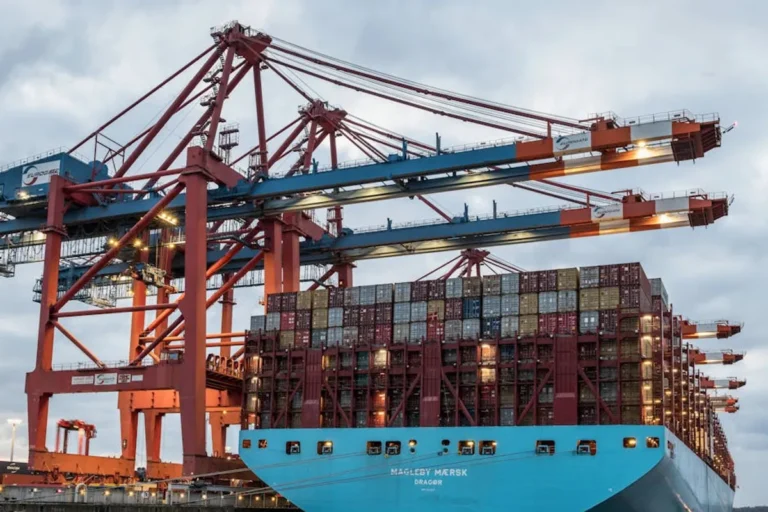
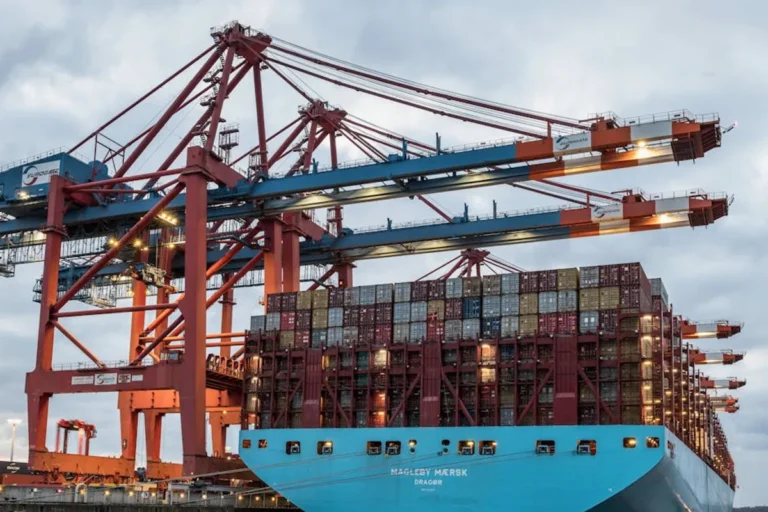
- Port Automation: Increased adoption of automated cranes, gates, and internal transport systems improves turnaround times and reduces labor costs, though initial investment is substantial.
- Real-time Tracking: IoT sensors and advanced telematics provide granular visibility into cargo location and condition, enabling proactive problem-solving and improved customer service.
- Predictive Analytics: AI and machine learning algorithms analyze vast datasets to forecast demand, optimize vessel routes, predict potential delays, and manage inventory more effectively.
- Blockchain Technology: While still nascent in widespread adoption, blockchain offers potential for immutable, transparent documentation and streamlined customs processes, reducing administrative overhead and disputes.
These technological advancements offer businesses the opportunity for greater control and insight over their shipments, but also require investment in compatible systems and data integration capabilities.
Pro Tip: Implement robust data analytics capabilities within your own supply chain operations. While carriers offer increasing visibility, integrating their data with your internal systems for demand forecasting, inventory optimization, and risk assessment provides a critical competitive edge. Relying solely on carrier-provided dashboards may limit your ability to proactively respond to disruptions.
Geopolitical Pressures and Supply Chain Reconfiguration
Geopolitical instability and regional conflicts have profound implications for global trade routes and supply chain resilience. Events like the Red Sea disruptions or drought-induced restrictions in the Panama Canal force significant rerouting, increasing transit times, fuel consumption, and insurance costs. These incidents highlight the vulnerability of highly concentrated supply chains and underscore the need for diversification.
Strategic Rerouting and Diversification:
Businesses are increasingly evaluating strategies like "nearshoring" or "friendshoring," moving production closer to consumption markets or to politically aligned nations, to reduce reliance on extended and potentially volatile global supply chains. This shift, while costly in the short term, aims to build resilience against future disruptions. It also encourages a re-evaluation of optimal shipping routes, port choices, and carrier partnerships based on geopolitical stability rather than solely on cost efficiency.
Labor Dynamics and Operational Efficiency
The availability and expertise of the maritime and logistics workforce remain a critical factor in the efficiency of container shipping. Shortages of skilled seafarers, port workers, and truck drivers can lead to delays, increased operational costs, and reduced service reliability across the supply chain.
Workforce Shortages and Port Congestion:
Aging workforces, combined with challenges in attracting new talent, contribute to persistent labor shortages. This affects everything from vessel crewing to port operations and inland transportation, creating bottlenecks that ripple through the entire supply chain. Investment in training, automation, and improved working conditions are vital for mitigating these challenges, but their impact on service levels and costs will continue to be a significant consideration for shippers.
Preparing for the Next Wave in Shipping
The container shipping industry is in a perpetual state of evolution, driven by a complex interplay of economic, environmental, technological, and geopolitical factors. For businesses engaged in international trade, proactive engagement with these trends is essential. This involves not only monitoring market indicators and regulatory changes but also investing in resilient supply chain strategies, embracing data-driven decision-making, and fostering collaborative partnerships with logistics providers. The ability to adapt quickly to new realities, whether a shift in trade routes or a new sustainability mandate, will differentiate successful operations in the coming years.
Frequently Asked Questions
What is the primary driver of container shipping rate volatility?
Rate volatility is primarily driven by the dynamic balance between global vessel capacity and cargo demand, influenced by economic cycles, geopolitical events, and unexpected supply chain disruptions.
How do sustainability regulations impact shipping costs?
Sustainability regulations, such as IMO's CII and EEXI, require carriers to invest in cleaner fuels, more efficient vessels, or slower steaming, all of which can increase operational costs that are often passed on to shippers through surcharges.
What role does digitalization play in improving supply chain resilience?
Digitalization, through AI, IoT, and predictive analytics, enhances visibility, optimizes routes, and provides early warning of potential disruptions, enabling businesses to make more informed decisions and adapt quickly to challenges.
Should businesses diversify their shipping routes and suppliers?
Yes, in an era of increasing geopolitical instability and climate-related disruptions, diversifying shipping routes, port choices, and supplier networks is a critical strategy for building resilience and mitigating risks.