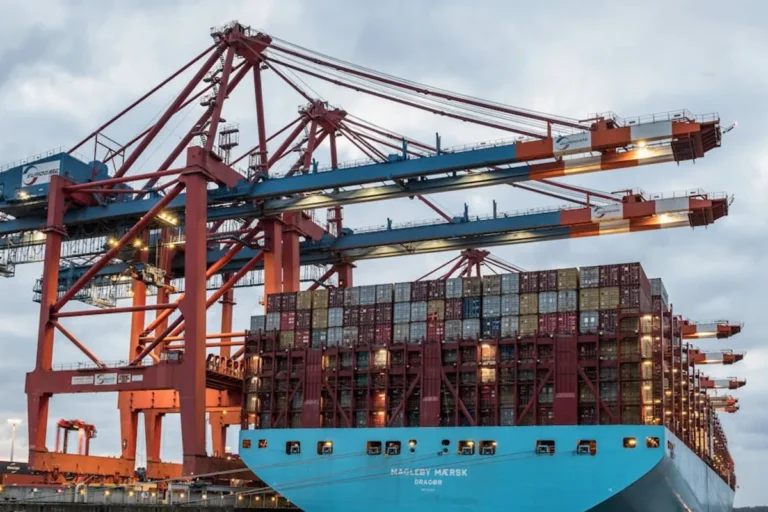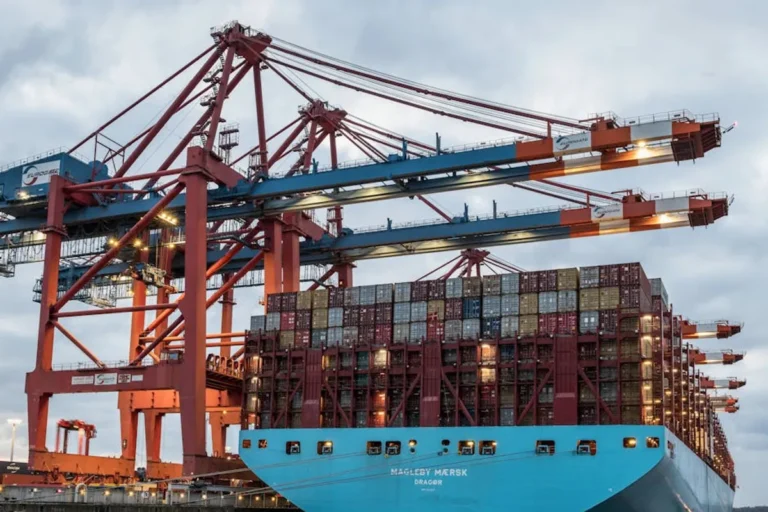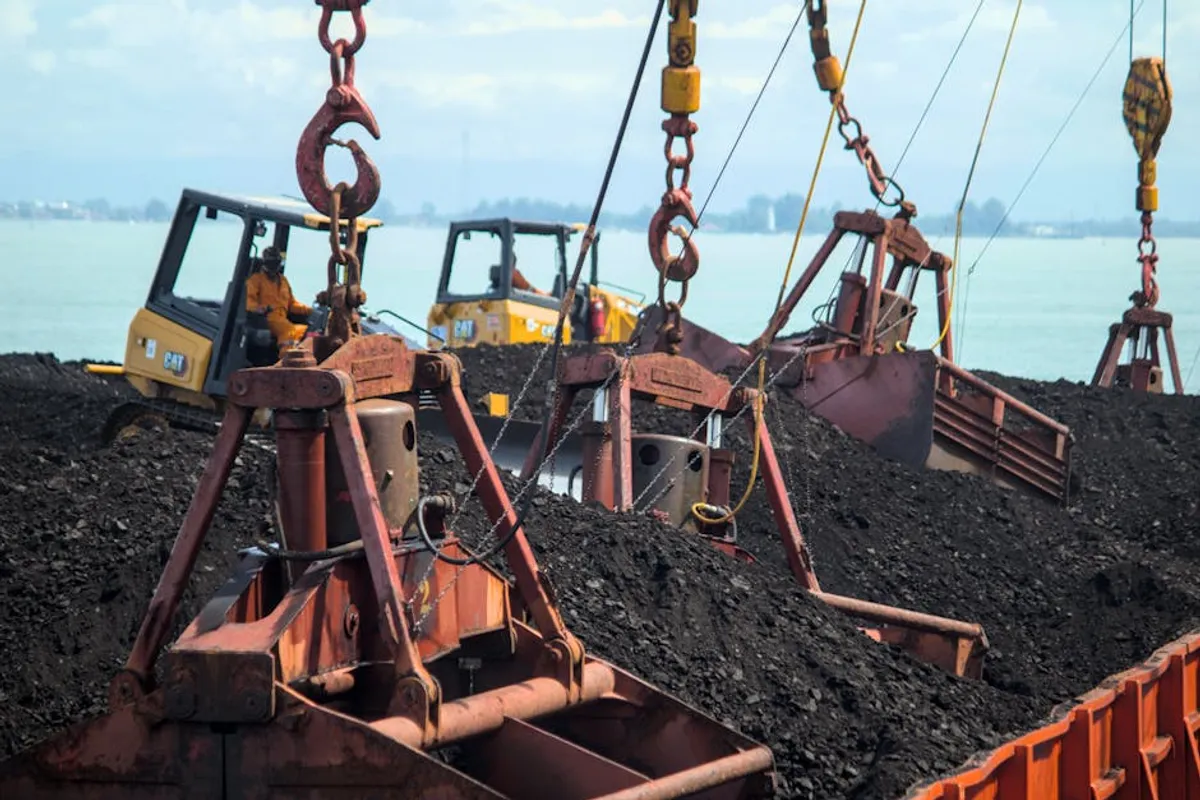
The global bulk shipping sector, a critical artery for raw materials and commodities, faces a complex interplay of economic, environmental, and geopolitical forces this year. For businesses reliant on the timely and cost-effective movement of dry bulk (e.g., iron ore, coal, grain) and liquid bulk (e.g., oil, chemicals), understanding these evolving trends is not merely an academic exercise; it dictates operational efficiency, supply chain resilience, and ultimately, profitability. Strategic planning now requires a nuanced grasp of factors ranging from regulatory pressures to technological advancements, all of which influence freight rates, transit times, and carrier availability. This year demands a proactive approach to risk mitigation and opportunity identification within this volatile yet indispensable industry.
Decarbonization Mandates and Green Shipping Initiatives
The push for environmental sustainability continues to reshape bulk shipping, driven by international regulations and increasing pressure from cargo owners and investors. The International Maritime Organization (IMO) targets for greenhouse gas (GHG) emission reductions are compelling shipowners to invest in cleaner technologies and alternative fuels. This transition is not uniform; different vessel types and trade routes present unique challenges and opportunities for compliance.
Fuel Transition and Infrastructure Challenges
The adoption of alternative fuels like LNG, methanol, and ammonia is gaining momentum, but widespread infrastructure for bunkering these fuels remains nascent. This creates a chicken-and-egg scenario where shipowners are hesitant to commit to newbuilds without guaranteed fuel availability, while infrastructure providers await sufficient demand. The result is a fragmented market with varying levels of green fuel adoption, leading to potential discrepancies in operational costs and market access for vessels depending on their fuel capabilities. Businesses contracting bulk shipping services must account for the premium associated with "green" voyages and the potential for higher costs as early adopters pass on their investment expenses.
Carbon Pricing and Compliance Costs
New carbon pricing mechanisms, such as the EU Emissions Trading System (ETS) for shipping, are introducing direct costs for emissions. These costs are increasingly passed down to cargo owners through surcharges. The financial impact varies based on voyage length, vessel efficiency, and the specific emission profile of the route. Companies need to integrate these compliance costs into their logistics budgeting and consider the long-term implications for their supply chain footprint. The trend favors more energy-efficient vessels and optimized routing to minimize exposure to these charges.
Digitalization and Data-Driven Optimization
The bulk shipping industry is undergoing a significant digital transformation, moving from traditional, often manual processes to data-intensive operations. This shift is driven by the need for greater efficiency, transparency, and predictive capabilities across complex global supply chains.
Predictive Analytics for Route Optimization
Advanced analytics and artificial intelligence (AI) are being deployed to optimize vessel routes, predict port congestion, and forecast weather patterns. This allows for more efficient fuel consumption, reduced transit times, and improved schedule reliability. For cargo owners, this translates into better visibility over their shipments, more accurate arrival estimates, and the potential to reduce demurrage charges. Data-driven insights also enable carriers to make informed decisions about vessel deployment and capacity management, influencing overall market stability.
Enhanced Transparency Through Blockchain and IoT
Blockchain technology offers a decentralized ledger for tracking cargo, improving document management, and streamlining customs processes. Combined with Internet of Things (IoT) sensors on vessels and cargo, it provides real-time data on location, condition, and environmental parameters. This level of transparency helps mitigate risks like cargo damage, theft, and delays, while also simplifying audits and compliance. The integration of these technologies aims to create a more secure and verifiable supply chain, benefiting all stakeholders.
- Real-time vessel tracking and ETA adjustments.
- Automated port call optimization and berth allocation.
- Predictive maintenance for critical vessel machinery.
- Digitalized documentation and customs clearance.
- AI-driven freight rate forecasting models.
Pro Tip: When evaluating bulk shipping partners, inquire about their investment in digital tools for route optimization, real-time tracking, and predictive analytics. Carriers leveraging these technologies often demonstrate higher operational efficiency and can provide more reliable service, which directly impacts your supply chain predictability and cost management.
Geopolitical Shifts and Supply Chain Resilience
Geopolitical instability and regional conflicts continue to exert significant influence on bulk shipping routes and operational costs. These factors necessitate a focus on supply chain resilience and diversification.
Regionalization of Trade Routes
The concept of "friendshoring" or "nearshoring" is gaining traction, where businesses seek to source and transport goods from politically aligned or geographically closer regions. This strategy aims to reduce exposure to geopolitical risks and long-distance transit vulnerabilities. While it may increase initial sourcing costs, it can offer greater supply chain stability and reduced lead times, particularly for critical commodities. This trend could lead to shifts in traditional bulk trade lanes and increased demand for intra-regional shipping services.
Impact of Canal Disruptions and Transit Times
Disruptions to key maritime chokepoints, such as the Panama Canal due to drought conditions or the Suez Canal/Red Sea due to security concerns, have immediate and significant impacts on bulk shipping. Rerouting vessels around Africa or via alternative, longer paths increases fuel consumption, extends transit times, and inflates freight rates. Businesses must factor in the potential for such disruptions, considering diversified routing options or maintaining higher inventory levels to buffer against unexpected delays.
Capacity Fluctuations and Freight Rate Volatility
The balance between vessel supply and cargo demand remains a primary driver of bulk freight rate volatility. This year presents a nuanced picture influenced by new vessel deliveries, scrapping rates, and global economic growth.
Newbuild Orders and Scrapping Trends
A substantial orderbook for new vessels, particularly in the larger bulk carrier segments, suggests an increase in fleet capacity in the coming years. However, the pace of new deliveries is often offset by the scrapping of older, less efficient vessels, especially those that cannot comply with new environmental regulations. The net effect on capacity will dictate the supply side of the freight market. Businesses should monitor newbuild schedules and scrapping activity to anticipate future rate movements.
Spot vs. Contract Market Dynamics
The bulk shipping market operates on both spot rates (for immediate shipments) and long-term contracts. In periods of high volatility, spot rates can surge or plummet rapidly. Long-term contracts offer rate stability but may come at a premium or discount depending on market sentiment. Strategic cargo owners balance these approaches, using contracts for baseline volumes and leveraging the spot market for opportunistic or supplementary needs. Understanding the interplay between these two markets is crucial for effective budget planning and risk management.
Navigating the Shifting Tides of Bulk Shipping
The bulk shipping sector is undergoing profound changes driven by environmental imperatives, technological advancements, and geopolitical realignments. For businesses engaged in global trade, success hinges on a proactive and adaptive strategy. This involves not only monitoring freight rates but also understanding the underlying forces shaping them: regulatory frameworks, infrastructure development, and geopolitical stability. Integrating these insights into procurement, logistics, and risk management processes will be essential for maintaining competitive advantage and ensuring supply chain continuity. The focus must shift from merely reacting to market conditions to strategically anticipating and preparing for them.
Frequently Asked Questions About Bulk Shipping Trends
How do sustainability regulations affect bulk shipping costs?
Sustainability regulations, such as the IMO's GHG reduction targets and regional carbon pricing schemes, directly increase bulk shipping costs. These costs stem from investments in cleaner fuels, more efficient vessel technologies, and direct carbon emission charges, which are typically passed on to cargo owners through surcharges or higher freight rates.What role does digitalization play in managing bulk cargo risks?
Digitalization, through technologies like AI-driven analytics, IoT sensors, and blockchain, enhances risk management by providing real-time visibility into cargo location and condition, predicting potential delays or disruptions, and improving the transparency and security of documentation. This helps mitigate risks such as cargo damage, theft, and unforeseen transit issues.
How can businesses prepare for geopolitical disruptions in bulk shipping?
Businesses can prepare for geopolitical disruptions by diversifying sourcing locations and trade routes, exploring "friendshoring" strategies, and maintaining flexible shipping contracts. Additionally, building buffer inventories for critical commodities can help mitigate the impact of sudden route closures or extended transit times.
What are the key drivers of bulk freight rate fluctuations?
Bulk freight rate fluctuations are primarily driven by the supply-demand balance of vessel capacity, global economic growth influencing commodity demand, fuel prices, geopolitical events impacting trade routes, and regulatory changes affecting operational costs and fleet availability.