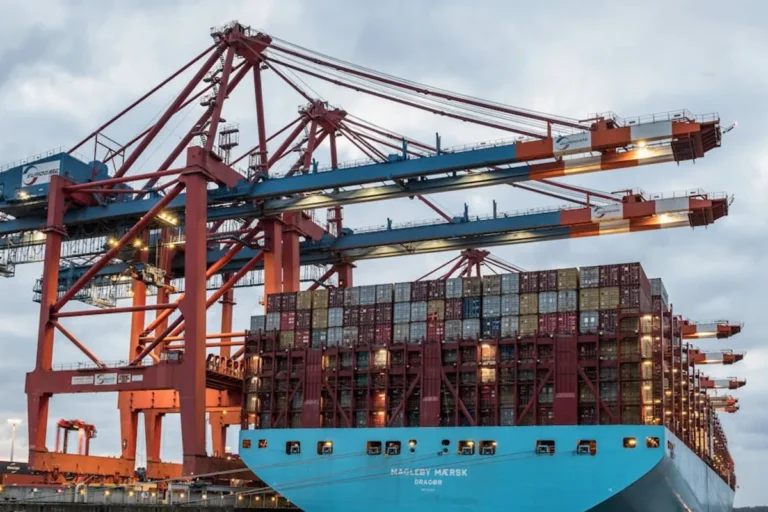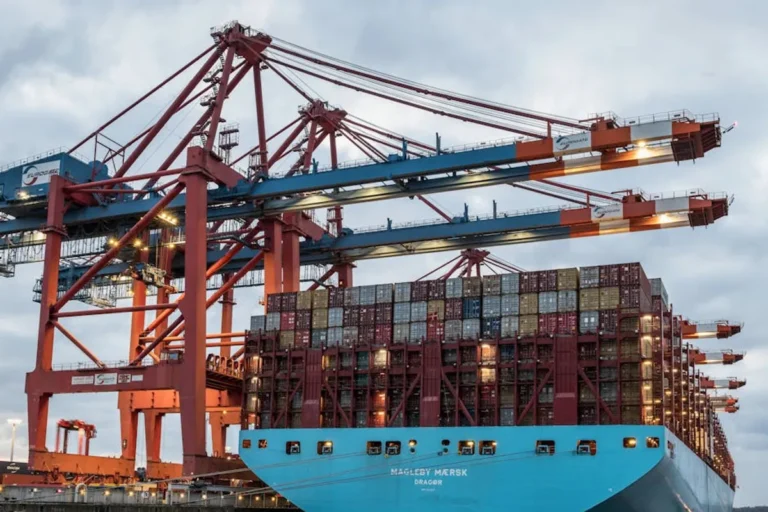
Navigating the complexities of international trade demands meticulous attention to every cost center, with import duties often representing a significant, yet frequently overlooked, financial burden. Effective import duty management is not merely about compliance; it's a strategic imperative that directly impacts supply chain efficiency, product pricing, and ultimately, profitability. Businesses that proactively manage their duty obligations can unlock competitive advantages, reduce operational friction, and mitigate the risks associated with customs audits and penalties. This guide outlines the foundational practices necessary to optimize duty spend and ensure seamless cross-border operations. Understanding import duty basics is crucial for effective management and compliance.
Key Considerations for Effective Duty Management
Before implementing specific strategies, it's essential to establish a robust framework for duty management. This involves understanding your specific trade lanes, product classifications, and the regulatory landscape of your target markets. Begin by mapping your supply chain to identify all points where goods cross international borders and duties may apply. Investigate the specific Harmonized System (HS) codes for your products and ensure their accuracy, as this forms the bedrock of all duty calculations. Furthermore, assess your internal resources, including personnel expertise and technological capabilities, to determine where external support, such as customs brokers or specialized software, might be necessary. A proactive stance, coupled with a commitment to continuous learning and adaptation, is fundamental to transforming duty management from a compliance chore into a strategic advantage.
1. Accurate Harmonized System (HS) Code Classification
The Harmonized System (HS) code is an international nomenclature for classifying traded products. Assigning the correct 6-digit HS code, and subsequently the country-specific 8-to-10-digit tariff code, is the absolute bedrock of import duty management. Misclassification can lead to overpayment of duties, significant fines, shipment delays, and even seizure of goods. This practice requires a deep understanding of product characteristics, materials, function, and the specific rules of interpretation within the HS. It's not a one-time task; as products evolve or regulations change, classifications must be reviewed and updated.
Best For: Any business engaged in international trade, particularly those with diverse product catalogs or complex manufacturing processes.
Pros:
- Minimizes risk of customs penalties and fines for misdeclaration.
- Ensures accurate duty and tax calculations, preventing overpayment.
- Facilitates smoother customs clearance, reducing delays.
- Provides a reliable basis for leveraging free trade agreements.
Cons:
- Requires specialized expertise in product classification and HS rules.
- Can be time-consuming, especially for large product assortments.
- Subject to interpretation differences between customs authorities, leading to potential disputes.
- Ongoing maintenance is necessary as products or regulations change.
Verdict: Non-negotiable for compliance and cost control. Investing in expert classification, whether in-house or outsourced, yields immediate and long-term returns by preventing costly errors and streamlining operations.
2. Leveraging Free Trade Agreements (FTAs)
Free Trade Agreements (FTAs) are treaties between two or more countries designed to reduce or eliminate certain barriers to trade and investment. For importers, this often translates to reduced or zero duty rates on eligible goods. Identifying and properly utilizing FTAs, such as USMCA (formerly NAFTA), CPTPP, or various bilateral agreements, requires understanding rules of origin, documentation requirements, and certification processes. This practice can significantly lower landed costs and enhance competitiveness.
Best For: Importers sourcing goods from or exporting to countries with which their home country has an active FTA.
Pros:
- Substantial duty savings, directly impacting profitability.
- Enhances competitiveness by lowering product costs.
- Strengthens supply chain relationships with FTA partners.
- Encourages diversification of sourcing strategies.
Cons:
- Complex rules of origin criteria can be difficult to interpret and apply.
- Requires meticulous record-keeping and origin certification.
- Non-compliance can result in retroactive duty payments and penalties.
- FTAs can change or be renegotiated, requiring continuous monitoring.
Verdict: A powerful tool for cost reduction, but demands thorough due diligence and robust internal processes to ensure compliance with complex origin rules. The savings potential justifies the effort.
3. Utilizing Duty Drawback Programs
Duty drawback is a refund of customs duties, taxes, or fees previously paid on imported merchandise that is subsequently exported or destroyed under customs supervision. This program allows businesses to recover duties paid on imported goods that are not ultimately consumed domestically. Common scenarios include imported components used in manufactured goods that are then exported, or imported goods that are re-exported in the same condition. Identifying eligibility and managing the complex claim process is critical.
Best For: Manufacturers who import components and export finished products, or distributors who re-export imported goods.
Pros:
- Recovers significant amounts of previously paid duties.
- Improves cash flow by reducing net duty expenditure.
- Reduces the overall cost of goods sold for export-oriented businesses.
- Can be applied to both manufactured goods and same-condition re-exports.
Cons:
- Highly complex application and documentation requirements.
- Strict time limits for filing claims (typically 3-5 years from import).
- Requires detailed inventory tracking and correlation of imports to exports.
- Customs audits of drawback claims are common and rigorous.
Verdict: A high-value opportunity for eligible businesses, but the administrative burden is substantial. Often best managed with specialized software or third-party experts to navigate the intricate regulations and maximize recovery.
4. Implementing First Sale Rule (FSR)
The First Sale Rule (FSR) is a valuation method that allows importers to declare the "first sale" price in a multi-tiered transaction as the dutiable value, rather than the "last sale" price. In a typical scenario, if a manufacturer sells goods to a middleman, who then sells them to an importer, FSR allows the importer to pay duties based on the lower price between the manufacturer and the middleman, rather than the higher price between the middleman and the importer. This can result in significant duty savings, particularly for goods with high markups at intermediate stages.
Best For: Importers purchasing goods through intermediaries (e.g., trading companies, buying agents) where there are multiple sales in the supply chain before importation.
Pros:
- Potentially substantial reduction in dutiable value, leading to lower duties.
- Can provide a competitive pricing advantage.
- Legitimate and recognized valuation method by many customs authorities.
Cons:
- Strict documentation requirements to prove the bona fide nature of the first sale.
- Requires transparency and cooperation from all parties in the supply chain.
- Customs authorities may scrutinize FSR claims heavily.
- Not applicable in all countries or for all types of transactions.
Verdict: A powerful duty mitigation strategy for complex supply chains, but demands meticulous record-keeping and a clear understanding of customs valuation rules. Engage legal counsel or customs experts to ensure proper implementation.
5. Optimizing Valuation Methods
Customs valuation determines the monetary value of imported goods for duty assessment. While the transaction value (price actually paid or payable) is the primary method, other methods exist, such as deductive value, computed value, or value based on identical/similar goods. Understanding and correctly applying the most advantageous and compliant valuation method can significantly impact duty costs. For instance, ensuring that non-dutiable elements like international freight, insurance, or certain buying commissions are excluded from the dutiable value is crucial.
Best For: All importers, especially those with complex transactions involving royalties, assists, or related party sales.
Pros:
- Ensures accurate and minimized duty payments.
- Prevents overpayment by correctly excluding non-dutiable charges.
- Reduces risk of customs audits and penalties related to undervaluation.
Cons:
- Complex rules, especially for related party transactions or non-standard sales.
- Requires detailed analysis of purchase agreements and financial records.
- Incorrect application can lead to significant penalties for undervaluation.
Verdict: Fundamental to duty management beyond HS classification. Proactive review of valuation practices can uncover savings and prevent compliance issues. Consider engaging customs experts for complex valuation scenarios.
6. Managing Customs Brokers Effectively
Customs brokers act as intermediaries between importers and customs authorities, handling documentation, duty payments, and clearance processes. While they are essential, simply handing over documents is insufficient. Effective management involves clear communication of expectations, providing accurate and timely information, and regularly auditing their performance. Treat your broker as an extension of your compliance team, ensuring they understand your business, products, and duty mitigation strategies. Avoid delegating responsibility without oversight.
Best For: Any business that relies on external expertise for customs clearance, particularly those without in-house customs compliance teams.
Pros:
- Streamlines customs clearance and reduces administrative burden.
- Provides expertise in navigating complex customs regulations.
- Can offer advice on duty mitigation programs.
- Reduces risk of errors and delays if managed properly.
Cons:
- Reliance on a broker does not absolve the importer of ultimate responsibility for compliance.
- Poor broker management can lead to errors, fines, and delays.
- Costs can add up if not negotiated or managed effectively.
- Lack of transparency in broker operations can be a concern.
Verdict: A necessary partnership, but one that requires active management. Establish clear service level agreements, conduct regular performance reviews, and ensure your broker aligns with your strategic duty management goals.
7. Maintaining Robust Record-Keeping
Customs authorities require importers to retain extensive records for a specified period (typically 5-7 years) to support declarations. This includes commercial invoices, packing lists, bills of lading, entry summaries, proof of payment, and any documentation related to duty mitigation programs (e.g., certificates of origin for FTAs, drawback claims). Inadequate record-keeping is a common cause of penalties during customs audits. Implementing a systematic, accessible, and secure record management system is paramount.
Best For: All importers, regardless of size or trade volume, as it's a universal compliance requirement.
Pros:
- Ensures compliance with regulatory record retention requirements.
- Provides defensible evidence during customs audits or inquiries.
- Facilitates internal reviews and process improvements.
- Supports accurate duty drawback and FTA claims.
Cons:
- Can be administratively burdensome and require significant storage.
- Requires consistent effort to maintain accuracy and completeness.
- Poor organization can make retrieving specific documents difficult and time-consuming.
Verdict: Not glamorous, but absolutely critical. A well-organized, digital record-keeping system is an investment in audit readiness and long-term compliance, protecting against significant financial and reputational risks.
8. Conducting Regular Duty Audits
Proactive internal or external audits of your import declarations and duty payments are essential. These audits involve reviewing a sample of past entries to verify HS classifications, valuations, country of origin, and the application of any special programs (FTAs, drawback). Identifying and correcting errors before customs does can prevent penalties and allow for voluntary disclosures, which often come with reduced or no penalties. Regular audits are a cornerstone of a robust compliance program.
Best For: Any importer seeking to proactively manage compliance risk and identify potential duty savings or liabilities.
Pros:
- Identifies errors and compliance gaps before customs audits.
- Allows for voluntary disclosures, potentially mitigating penalties.
- Uncovers opportunities for duty recovery or future savings.
- Provides assurance of compliance to internal stakeholders and management.
Cons:
- Requires significant time, resources, and expertise.
- May uncover past errors that require corrective action and potential payments.
- Can be costly if conducted by external consultants.
Verdict: A vital component of risk management and continuous improvement. Regular audits not only ensure compliance but also serve as a learning mechanism to refine processes and optimize duty spend.
9. Understanding De Minimis Thresholds
Many countries have a "de minimis" threshold, which is a minimum value below which imported goods are exempt from duties and taxes. For example, in the United States, the de minimis threshold is $800, meaning shipments valued under this amount generally enter duty-free. Understanding and strategically utilizing these thresholds, where applicable, can significantly reduce duty costs and administrative burden for low-value shipments, particularly in e-commerce or for samples and prototypes.
Best For: E-commerce businesses, companies sending samples, prototypes, or low-value spare parts internationally, and those with frequent small-value shipments.
Pros:
- Eliminates duties and taxes on eligible low-value shipments.
- Reduces administrative burden associated with duty calculation and payment.
- Speeds up customs clearance for small parcels.
- Can be a significant cost-saver for businesses with high volumes of small orders.
Cons:
- Thresholds vary significantly by country and can change.
- May not apply to all types of goods (e.g., restricted items).
- Can be misused if not properly understood, leading to customs scrutiny.
- Requires careful tracking of shipment values.
Verdict: A straightforward and impactful strategy for specific types of businesses and shipments. Staying informed about current de minimis values in target markets is crucial for maximizing its benefits.
10. Engaging in Customs Compliance Training
The landscape of customs regulations is dynamic, with frequent updates to HS codes, valuation rules, and trade agreements. Investing in ongoing training for internal teams involved in procurement, logistics, and finance ensures that personnel are equipped with the latest knowledge and best practices. This reduces reliance on external parties for basic compliance and empowers staff to make informed decisions that impact duty costs and risks.
Best For: All businesses with internal teams managing any aspect of international trade, from procurement to logistics.
Pros:
- Reduces internal errors and improves overall compliance.
- Empowers employees with critical knowledge, reducing reliance on external consultants for routine tasks.
- Fosters a culture of compliance within the organization.
- Helps identify potential duty savings opportunities proactively.
Cons:
- Requires an investment of time and financial resources.
- Knowledge must be continuously updated to remain relevant.
- May not cover highly specialized or complex duty mitigation strategies.
Verdict: An essential investment in human capital that pays dividends in reduced errors, increased efficiency, and a stronger internal compliance posture. Regular, targeted training is key.
11. Utilizing Technology for Duty Management
Manual processes for managing import duties are prone to errors and inefficiencies, especially for businesses with high transaction volumes or complex supply chains. Implementing specialized Global Trade Management (GTM) software or leveraging features within Enterprise Resource Planning (ERP) systems can automate HS classification, duty calculation, FTA eligibility checks, and record-keeping. Technology provides greater accuracy, speed, and visibility into duty spend. Implementing customs clearance best practices can significantly reduce operational friction and costs.
Best For: Medium to large enterprises with significant import volumes, complex product catalogs, or multiple international trade lanes.
Pros:
- Automates complex calculations and rule applications, reducing manual errors.
- Provides real-time visibility into duty costs and compliance status.
- Streamlines documentation and record-keeping processes.
- Facilitates proactive identification of duty savings opportunities.
- Scales with business growth and increasing trade complexity.
Cons:
- Significant upfront investment in software and implementation.
- Requires ongoing maintenance and updates to reflect regulatory changes.
- Integration with existing systems can be challenging.
- Requires trained personnel to operate and manage effectively.
Verdict: A transformative practice for scaling duty management and enhancing compliance. While the initial investment is substantial, the long-term benefits in accuracy, efficiency, and risk mitigation are compelling for eligible businesses.
12. Strategic Sourcing and Supply Chain Design
Duty management begins long before goods reach a border. By strategically designing your supply chain and selecting sourcing locations, you can proactively minimize duty exposure. This involves evaluating potential suppliers not just on product cost but also on their country of origin, eligibility for FTAs, and potential for duty drawback. Restructuring manufacturing processes or distribution networks to leverage duty-free zones or specific trade agreements can yield significant, systemic savings.
Best For: Businesses undergoing supply chain redesign, expanding into new markets, or seeking to optimize long-term duty costs at a strategic level.
Pros:
- Achieves systemic, long-term duty reductions through fundamental supply chain choices.
- Integrates duty considerations into broader business strategy, not just compliance.
- Can unlock new sourcing opportunities and improve overall supply chain resilience.
- Potentially reduces the administrative burden of managing duties post-import.
Cons:
- Requires significant upfront analysis and planning.
- Involves potentially disruptive changes to existing supplier relationships and logistics.
- May have trade-offs with other supply chain objectives (e.g., lead time, quality).
- Long implementation cycles before benefits are realized.
Verdict: The most strategic and impactful approach to duty management, moving beyond tactical compliance to foundational cost optimization. Requires cross-functional collaboration and a long-term vision.
13. Proactive Engagement with Customs Authorities
Establishing a constructive relationship with customs authorities, where appropriate, can be beneficial. This might involve participating in trusted trader programs (e.g., C-TPAT in the US, AEO in the EU), seeking binding rulings for complex classifications or valuations, or engaging in voluntary disclosures. Such engagement demonstrates a commitment to compliance, can expedite clearance, and provides legal certainty for critical trade decisions, reducing the likelihood of disputes or penalties.
Best For: Businesses with complex trade operations, high import volumes, or those seeking to enhance their security and compliance profile for expedited clearance.
Pros:
- Provides legal certainty for classifications and valuations through binding rulings.
- Can expedite customs clearance and reduce inspections through trusted trader programs.
- Demonstrates a commitment to compliance, potentially leading to reduced penalties for minor errors.
- Access to customs guidance and resources.
Cons:
- Requires transparency and openness with customs, which some businesses may find uncomfortable.
- Application processes for programs or rulings can be time-consuming.
- May involve sharing sensitive business information.
Verdict: A strategic move for mature importers. While it requires investment in transparency and process, the benefits of legal certainty, expedited trade, and enhanced reputation with customs authorities are significant.
Evaluating Your Import Duty Strategy
Implementing best practices is only the first step; continuous evaluation is essential to ensure your import duty strategy remains effective and compliant. Begin by establishing clear Key Performance Indicators (KPIs) such as total duty spend as a percentage of import value, number of customs penalties, average customs clearance time, and the percentage of eligible duty recovery claims. Regularly compare these metrics against industry benchmarks and your own historical data. Conduct periodic internal audits and engage external customs consultants for independent reviews, especially as regulations or your business operations evolve. Solicit feedback from your logistics and procurement teams, and critically, review your customs broker's performance against agreed-upon service levels. An effective duty management strategy is not static; it requires ongoing vigilance, adaptation, and a commitment to continuous improvement to navigate the ever-changing global trade environment.
Frequently Asked Questions
What are import duties?
Import duties, also known as customs duties or tariffs, are taxes levied by a country's customs authority on imported goods. Their primary purposes are to generate revenue for the government and protect domestic industries from foreign competition.
Why are import duties important to manage?
Effective management of import duties is crucial because it directly impacts a company's landed cost of goods, profitability, cash flow, and compliance risk. Mismanagement can lead to significant overpayments, fines, delays, and supply chain disruptions.
Can small businesses benefit from duty management practices?
Absolutely. While the scale of savings may differ, even small businesses can benefit significantly from accurate HS classification, understanding de minimis thresholds, and leveraging free trade agreements where applicable. Proactive management reduces risks common to businesses of all sizes.
What is the role of a customs broker?
A customs broker acts as an authorized agent for importers, handling the complex process of customs clearance. This includes preparing and submitting documentation, calculating and paying duties and taxes, and ensuring compliance with import regulations on behalf of