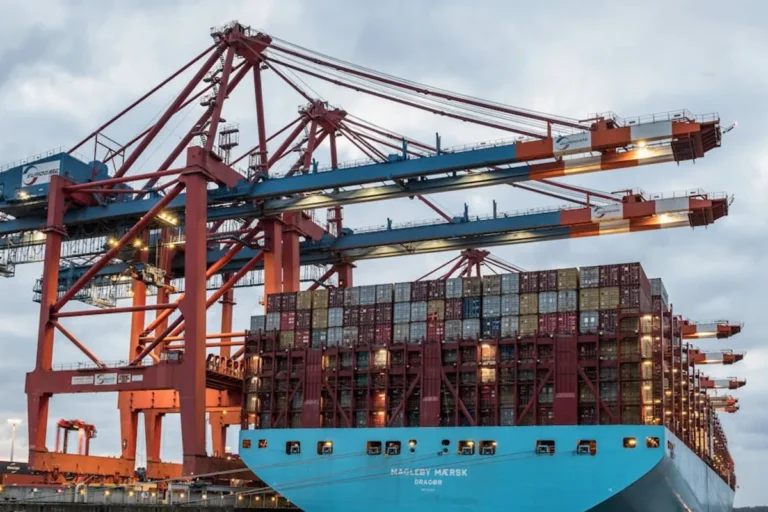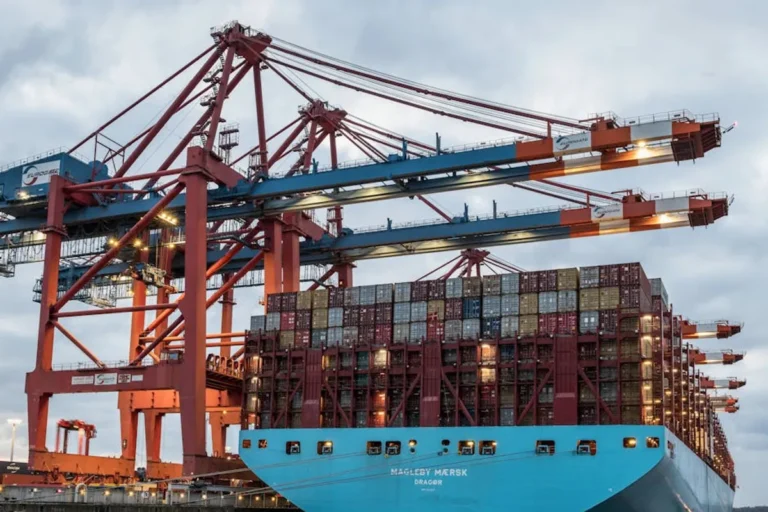
Modern B2B operations navigate increasingly complex supply chains, often spanning multiple continents, suppliers, and logistics partners. Without clear, real-time insight into the movement of goods, inventory levels, and potential disruptions, companies face significant financial and reputational risks, including production delays, stockouts, and dissatisfied clients. Supply chain visibility addresses this by providing the necessary data streams to monitor and manage these intricate networks effectively, transforming reactive problem-solving into proactive strategic management. For B2B enterprises, understanding and implementing robust visibility practices is not merely an operational enhancement; it is a critical competitive differentiator that directly impacts profitability and customer trust. This is where reliable supply chain management can significantly reduce risks and improve overall efficiency.
What Is Supply Chain Visibility?
Supply chain visibility refers to the ability to track products, components, and raw materials as they move through the entire supply chain, from raw material sourcing to final delivery. This encompasses not only the physical location of goods but also their status, condition, and associated documentation. For B2B companies, this means having access to timely, accurate information about every stage of their supply network, enabling them to make informed decisions and respond rapidly to changes. Having proper shipping documentation is vital for tracking products and components throughout the supply chain.
Key Components of Visibility
Effective supply chain visibility relies on several interconnected elements:
- Data Capture: Collecting information from various sources, including IoT sensors, RFID tags, GPS trackers, ERP systems, and supplier portals.
- Data Integration: Consolidating disparate data streams into a unified platform for a holistic view.
- Real-time Tracking: Monitoring goods in transit and at rest, providing immediate updates on their location and status.
- Predictive Analytics: Using historical data and current trends to forecast potential disruptions or delays.
- Alerts and Notifications: Automated systems that flag deviations from planned routes, schedules, or conditions.
- Collaboration Tools: Platforms that facilitate communication and information sharing among all supply chain partners.
Why B2B Companies Need Supply Chain Visibility
For B2B entities, the direct and indirect benefits of comprehensive supply chain visibility translate into tangible operational and financial advantages.
Enhanced Operational Efficiency
Visibility allows B2B companies to identify bottlenecks, optimize routes, and streamline processes. By understanding where inefficiencies lie, businesses can reduce lead times, minimize inventory holding costs, and improve resource allocation. For example, real-time data on inbound raw materials can inform production scheduling, preventing costly idle time or rush orders.
Improved Risk Management
Disruptions, whether from natural disasters, geopolitical events, or supplier failures, can severely impact B2B operations. Visibility provides early warning signals, allowing companies to pivot quickly. Identifying a delayed shipment of critical components enables proactive re-routing or sourcing from alternative suppliers, mitigating the financial impact of production halts or contract penalties.
Better Customer Satisfaction
In B2B, reliable delivery and transparent communication are paramount. With visibility, companies can provide accurate estimated delivery times, proactively inform clients of potential delays, and even offer self-service tracking. This transparency builds trust and strengthens client relationships, reducing the likelihood of service level agreement (SLA) breaches and associated penalties.
Strategic Decision-Making
Beyond day-to-day operations, visibility generates a wealth of data that fuels strategic planning. Analyzing trends in supplier performance, logistics efficiency, and demand fluctuations helps B2B leaders make informed decisions about supplier selection, inventory strategies, and network design. This data-driven approach fosters resilience and adaptability in a dynamic market.
Types of Supply Chain Visibility
Visibility can be categorized based on the scope and focus of the information being tracked.
End-to-End Visibility
This provides a comprehensive view across the entire supply chain, from the initial raw material supplier to the final customer. It integrates data from all tiers of suppliers, manufacturers, distributors, and logistics providers.
Benefit: Offers the most complete picture for strategic planning and system-wide optimization.
In-Transit Visibility
Focuses specifically on the movement of goods between points, typically involving GPS tracking, telematics, and real-time carrier updates.
Benefit: Critical for managing logistics, predicting delivery times, and responding to delays during transportation.
Inventory Visibility
Provides real-time information on stock levels across all locations, including warehouses, distribution centers, and in-transit inventory.
Benefit: Prevents stockouts, reduces excess inventory, and optimizes order fulfillment processes.
Event Visibility
Monitors specific events or milestones within the supply chain, such as customs clearance, quality control checks, or loading/unloading times.
Benefit: Enables proactive exception management and ensures compliance with critical deadlines.
Implementing Supply Chain Visibility: A Practical Framework
Achieving robust supply chain visibility is an iterative process requiring strategic planning and technological integration.
Step 1: Assess Current State and Define Objectives
Begin by mapping your existing supply chain, identifying key stakeholders, data sources, and current information gaps. Define specific, measurable objectives for visibility. For example, "Reduce late B2B deliveries by 15% within 12 months" or "Improve raw material inventory accuracy by 20%." This clarity guides technology selection and implementation.
Step 2: Data Integration and Standardization
The core challenge often lies in integrating disparate data from various internal systems (ERP, WMS) and external partners (suppliers, carriers). Establishing common data standards and formats is crucial. This might involve implementing APIs, EDI, or other integration platforms to ensure seamless data flow and prevent data silos.
Pro Tip: Prioritize data quality from the outset. Inaccurate or incomplete data will undermine even the most sophisticated visibility platform, leading to flawed decisions and a lack of trust in the system. Implement data validation rules and regular audits with your partners.
Step 3: Technology Adoption
Invest in solutions that provide real-time data capture, aggregation, and analysis. This could include IoT devices for asset tracking, cloud-based visibility platforms, and advanced analytics tools. Focus on platforms that offer scalability, robust security, and the ability to integrate with your existing technology stack. Consider solutions that provide customizable dashboards and reporting for different user roles.
Step 4: Collaboration Across the Network
Visibility is a shared responsibility. Engage all supply chain partners—from raw material suppliers to last-mile carriers—in the visibility initiative. Establish clear data-sharing agreements, define roles and responsibilities, and provide training on new systems. Foster a culture of transparency and mutual benefit to encourage participation.
Step 5: Continuous Monitoring and Optimization
Supply chains are dynamic. Implement mechanisms for ongoing monitoring of key performance indicators (KPIs) related to visibility. Regularly review the effectiveness of your visibility tools and processes. Gather feedback from internal teams and external partners to identify areas for improvement and adapt your strategy as market conditions or business needs evolve.
Moving Forward with Visibility
Embracing supply chain visibility is a continuous journey, not a one-time project. For B2B companies, it means moving beyond simple tracking to leveraging data for predictive insights, proactive risk mitigation, and enhanced customer experiences. By systematically implementing the framework outlined, businesses can build a resilient, efficient, and transparent supply chain that supports long-term growth and competitive advantage.
Frequently Asked Questions
What is the primary difference between supply chain visibility and traceability?
Visibility refers to knowing where goods are and their status at any given moment across the entire chain. Traceability, a component of visibility, focuses on the ability to identify the historical path and origin of a specific product or batch, often for regulatory compliance or quality control purposes.
What are the biggest challenges in achieving full supply chain visibility?
Key challenges include integrating disparate data systems from multiple partners, ensuring data quality and standardization, gaining buy-in from all stakeholders across the network, and the initial investment in technology and training.
How long does it take to implement a supply chain visibility solution?
Implementation timelines vary significantly based on the complexity of the supply chain, the number of partners involved, and the scope of the desired visibility. A phased approach, starting with critical segments, can take several months, while full end-to-end integration across a large enterprise might extend over a year or more.
Can small to medium-sized B2B businesses benefit from supply chain visibility?
Absolutely. While the scale differs, the principles and benefits remain. Even smaller businesses can start with basic tracking solutions, leveraging cloud-based platforms or integrating with key logistics partners to gain critical insights and improve operational control without massive upfront investments.