For logistics managers, the final leg of a product’s journey to the customer, known as last-mile delivery, represents both the greatest operational challenge and a critical opportunity for competitive differentiation. This stage, often the most expensive and time-consuming part of the entire supply chain, directly impacts customer satisfaction and retention. Understanding its complexities and implementing strategic solutions is no longer optional; it is fundamental to maintaining profitability and meeting escalating consumer expectations for speed and convenience.
Defining Last-Mile Delivery Operations
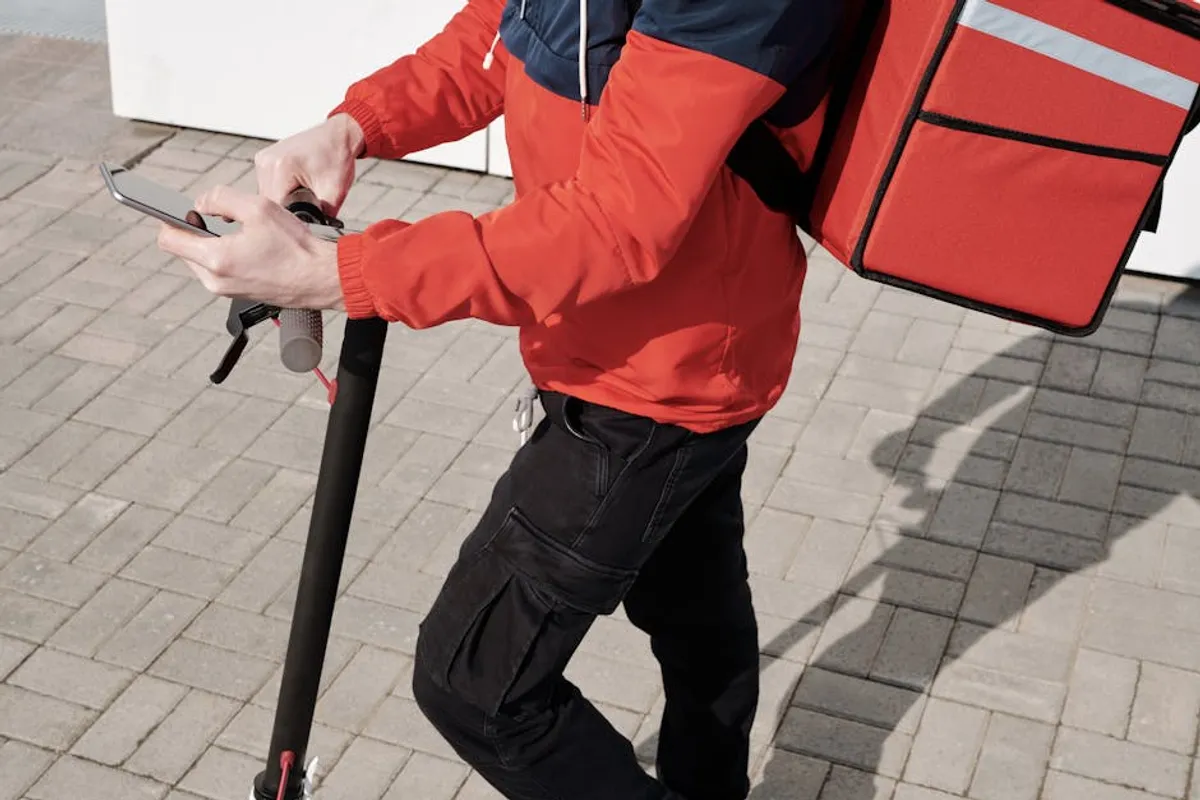
Last-mile delivery encompasses the movement of goods from a transportation hub, distribution center, or even a retail store, directly to the end consumer’s doorstep. While it sounds straightforward, this segment is characterized by a high number of individual stops, diverse delivery locations, and often, small package sizes. Unlike bulk freight movements, last-mile operations involve navigating urban and suburban environments, dealing with variable traffic conditions, and ensuring precise, on-time arrivals to multiple distinct addresses.
The operational scope extends beyond simply driving a package. It includes efficient sorting at local hubs, optimal route planning, real-time tracking, proof of delivery, and managing customer communication regarding delivery status. Its financial impact is significant; last-mile costs can account for over 50% of total shipping expenses due to inefficiencies inherent in fragmented routes and frequent stops.
Core Challenges in Last-Mile Logistics
Logistics managers face several persistent hurdles in optimizing last-mile delivery, each contributing to increased costs and potential service disruptions:
- Operational Costs: Fuel consumption, vehicle maintenance, driver wages, and insurance represent substantial fixed and variable expenses. Failed deliveries, requiring redelivery attempts, further inflate these costs.
- Customer Expectations: The rise of e-commerce has normalized demands for same-day or next-day delivery, precise delivery windows, and constant tracking updates, putting immense pressure on delivery networks.
- Route Complexity and Optimization: Planning efficient routes for multiple stops in dynamic environments, considering traffic, road closures, and delivery time windows, is a complex task that traditional methods struggle with.
- Urban Congestion and Infrastructure: Navigating dense urban areas presents challenges like limited parking, restricted access zones, and slow traffic, impacting delivery speed and efficiency.
- Scalability: Handling fluctuating order volumes, especially during peak seasons, requires flexible and scalable delivery capacity without incurring excessive overhead during slower periods.
- Visibility and Control: Maintaining real-time visibility into driver locations, package status, and potential delays is crucial for proactive problem-solving and effective customer communication.
Strategies for Optimizing Last-Mile Performance
Addressing last-mile challenges requires a multi-faceted approach, integrating technology, operational adjustments, and innovative delivery models.
Advanced Route Optimization and Planning
Implementing sophisticated route optimization software is foundational. These systems leverage algorithms and real-time data (traffic, weather, delivery windows) to generate the most efficient routes, minimizing mileage and delivery times. They can dynamically adjust routes in response to unforeseen events, ensuring drivers remain efficient throughout their shifts.
Impact: Reduces fuel consumption by 15-30%, decreases vehicle wear, and enhances driver productivity by optimizing stop sequences and minimizing idle time.
Flexible Delivery Models
Diversifying delivery methods can alleviate pressure on traditional fleets and cater to varied customer needs:
- Click-and-Collect (BOPIS): Customers pick up online orders from a local store or designated locker. This shifts the final delivery responsibility to the customer, reducing last-mile costs for the business.
- Locker Networks: Secure, automated lockers in convenient locations provide a flexible pickup point for customers, consolidating multiple deliveries into a single drop-off point for drivers.
- Crowdsourced Delivery: Utilizing a network of independent contractors or local couriers, particularly for peak demand or specialized deliveries, offers scalability without fixed fleet expansion.
- Micro-Fulfillment Centers (MFCs): Small, automated warehouses strategically located in urban areas bring inventory closer to customers, significantly shortening delivery distances and times.
Enhanced Fleet Management and Technology Integration
Modern fleet management systems provide real-time GPS tracking, telematics data for driver behavior analysis, and predictive maintenance alerts. Integrating these systems with order management and warehouse management platforms creates a unified view of the supply chain, enabling better decision-making.
Pro Tip for Logistics Managers: Prioritize data analytics in your last-mile operations. Tracking KPIs like on-time delivery rates, cost per delivery, driver utilization, and customer satisfaction scores provides actionable insights. Use this data to identify bottlenecks, refine routing algorithms, and justify investments in new technologies or delivery models. Without robust data, optimization efforts remain speculative.
Practical Steps for Improving Last-Mile Delivery
Logistics managers can initiate improvements by:
- Auditing Current Operations: Document existing processes, identify manual touchpoints, and pinpoint areas of inefficiency or high cost.
- Defining Key Performance Indicators (KPIs): Establish measurable targets for delivery speed, accuracy, cost-per-delivery, customer satisfaction, and environmental impact.
- Piloting New Technologies: Start with a small-scale implementation of route optimization software or a new delivery model in a specific region to test effectiveness and gather data before a wider rollout.
- Investing in Driver Training: Equip drivers with the necessary skills for efficient route execution, customer interaction, and effective use of delivery technology (e.g., mobile apps for proof of delivery).
- Fostering Cross-Departmental Collaboration: Ensure communication between logistics, sales, customer service, and IT to align last-mile strategies with overall business goals and customer feedback.
Driving Efficiency in Final-Mile Logistics
Optimizing last-mile delivery is an ongoing process, not a one-time fix. It demands continuous evaluation, adaptation to market changes, and strategic investment in technology and infrastructure. By focusing on data-driven decision-making, exploring flexible delivery models, and empowering their teams with the right tools, logistics managers can transform the last mile from a cost center into a significant competitive advantage, enhancing both operational efficiency and customer loyalty.
Frequently Asked Questions
What is the primary goal of last-mile delivery?
The primary goal is to deliver products from a local hub to the customer's final destination as quickly, efficiently, and cost-effectively as possible, ensuring customer satisfaction.
Why is last-mile delivery often the most expensive part of the supply chain?
It involves numerous individual stops, often in congested areas, with smaller order sizes, leading to higher fuel consumption, labor costs, and inefficiencies compared to bulk transportation.
How can technology improve last-mile delivery?
Technology, such as route optimization software, real-time tracking, and predictive analytics, enhances efficiency by planning optimal routes, providing visibility, and identifying areas for improvement, reducing costs and delivery times.
What are common challenges in last-mile delivery?
Key challenges include high operational costs, meeting escalating customer expectations for speed, navigating complex urban environments, optimizing routes, and scaling operations to handle fluctuating demand.