For ecommerce brands, the final stretch of a product's journey to the customer's door — known as last-mile delivery — often dictates both customer satisfaction and operational profitability. It is the moment of truth where carefully cultivated brand promises meet logistical reality. Navigating this critical phase demands more than just shipping; it requires strategic planning to manage costs, meet escalating consumer expectations, and transform a potential friction point into a competitive advantage. This guide outlines the core components of last-mile delivery, its commercial implications, and actionable strategies for optimization within an ecommerce framework.
Defining Last-Mile Delivery in Ecommerce Logistics
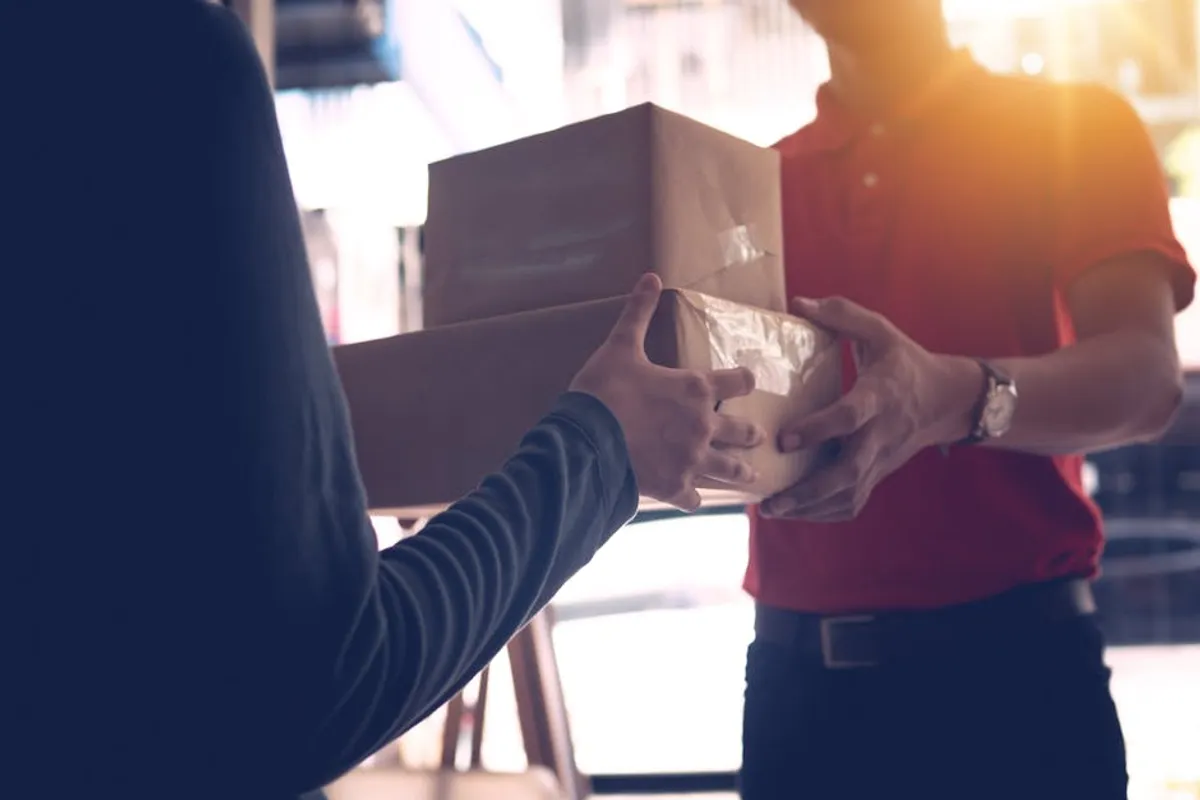
Last-mile delivery refers to the final leg of the supply chain, specifically the movement of goods from a transportation hub or warehouse to the end customer's designated delivery location. While it represents only a fraction of the total journey distance, it typically accounts for a disproportionately high percentage of shipping costs and logistical complexity. For ecommerce, this stage is characterized by direct interaction with the consumer, often involving residential addresses, varied delivery windows, and the need for precise tracking and communication.
This phase differs from earlier logistics stages, such as first-mile (origin to distribution center) or middle-mile (distribution center to local hub), due to its fragmented nature. Instead of bulk shipments to a single destination, last-mile involves numerous individual parcels delivered to diverse, often geographically dispersed, points. This fragmentation introduces challenges related to route optimization, vehicle capacity, and driver efficiency.
Commercial Impact: Why Last-Mile Performance Drives Ecommerce Success
The efficiency and effectiveness of last-mile delivery directly influence an ecommerce brand's bottom line and market perception. Its impact extends across several critical commercial facets:
- Customer Satisfaction and Retention: A smooth, predictable, and timely delivery experience is a primary driver of customer satisfaction. Conversely, delays, missed deliveries, or poor communication can lead to frustration, negative reviews, and customer churn. Repeat purchases are often contingent on positive past delivery experiences.
- Brand Reputation: Delivery performance is intrinsically linked to brand perception. Brands known for reliable, convenient, and transparent delivery build trust and command loyalty, differentiating themselves in a crowded market.
- Operational Costs: Last-mile logistics are inherently expensive due to fuel consumption, labor, vehicle maintenance, and the inefficiency of making many small stops. Optimizing this stage directly reduces per-package delivery costs, impacting profit margins.
- Competitive Advantage: In an era of instant gratification, offering flexible, fast, and affordable delivery options (e.g., same-day, next-day, scheduled delivery) can be a significant differentiator against competitors, particularly larger retailers with established logistics networks.
- Reduced Returns and Customer Service Load: Accurate and timely deliveries minimize customer inquiries related to "Where Is My Order?" (WISMO), reduce instances of failed deliveries requiring re-attempts, and can even lower return rates if products arrive as expected and undamaged.
Key Challenges in Ecommerce Last-Mile Logistics
Ecommerce brands face distinct hurdles in perfecting their last-mile operations:
Cost Management
The high cost per delivery is a persistent challenge. Factors include rising fuel prices, labor shortages for delivery personnel, urban congestion, and the pressure to offer free or low-cost shipping, which often means brands absorb a significant portion of the actual delivery expense.
Meeting Customer Expectations
Consumers now expect rapid delivery, often within 24-48 hours, coupled with real-time tracking and flexible delivery options (e.g., specific time slots, alternative pickup points). Failing to meet these expectations directly impacts customer loyalty.
Route Optimization and Efficiency
Manually planning efficient delivery routes for multiple parcels across varying geographical areas is nearly impossible. Without sophisticated tools, drivers can waste time, fuel, and capacity, leading to delays and increased costs.
Scalability and Flexibility
Ecommerce brands experience fluctuating demand, particularly during peak seasons (e.g., holidays, sales events). Last-mile solutions must be scalable to handle these surges without compromising service quality or incurring excessive temporary costs.
Returns Management
The reverse logistics of handling returns efficiently is another critical last-mile component. A cumbersome return process can deter future purchases, while a streamlined one can enhance customer satisfaction.
Pro Tip: Proactive customer communication about delivery status, even for minor delays, significantly reduces "Where Is My Order?" (WISMO) inquiries and improves overall satisfaction. Transparency builds trust, even when things don't go perfectly.
Strategies for Optimizing Last-Mile Delivery
Implementing strategic solutions can transform last-mile delivery into a competitive asset:
Leveraging Technology for Efficiency
Route Optimization Software: Utilizes algorithms to calculate the most efficient delivery routes, considering traffic, delivery windows, and vehicle capacity. This reduces fuel consumption, driver hours, and overall delivery times.
Real-Time Tracking and Telematics: Provides visibility into driver locations and delivery progress, enabling proactive communication with customers and efficient problem-solving for dispatchers.
Automated Dispatch Systems: Streamlines the assignment of deliveries to drivers, reducing manual errors and improving response times.
Diversifying Delivery Options
Third-Party Logistics (3PL) Providers: Partnering with specialized delivery companies can leverage their established networks, technology, and expertise, especially for brands lacking in-house capabilities or needing to scale rapidly.
Local and Regional Carriers: For specific geographic areas, local couriers often offer more flexibility and cost-effectiveness than national carriers.
Click & Collect / BOPIS (Buy Online, Pick Up In Store): If applicable, offering in-store pickup shifts the last-mile burden to the customer, reducing delivery costs and providing immediate gratification.
Crowdsourced Delivery: Utilizing gig economy platforms for localized, on-demand deliveries can provide flexibility and speed, particularly for urgent or same-day services.
Enhancing Customer Communication
Automated Notifications: Send SMS or email updates at key stages: order shipped, out for delivery, estimated time of arrival (ETA), and delivered.
Customer Portals: Provide a dedicated online space where customers can track their orders, manage delivery preferences, or reschedule deliveries.
Feedback Mechanisms: Implement post-delivery surveys to gather insights on delivery performance and identify areas for improvement.
Streamlining Returns Management
Easy Return Labels: Include pre-printed return labels in packages or offer easily downloadable ones.
Multiple Return Points: Provide options for returns, such as mail-back, drop-off at postal services, or designated retail locations.
Clear Return Policies: Transparent and simple return policies build customer confidence and reduce friction.
Considering Sustainability
Electric Vehicles (EVs): Integrating EVs into the delivery fleet reduces carbon emissions and can offer long-term operational cost savings.
Optimized Packaging: Using right-sized and recyclable packaging minimizes waste and reduces shipping volume.
Consolidated Deliveries: Encouraging customers to choose fewer, larger deliveries rather than multiple small ones can reduce the overall environmental footprint.
Measuring Last-Mile Success
Key Performance Indicators (KPIs) provide actionable insights into last-mile efficiency:
- On-Time Delivery Rate: Percentage of deliveries completed within the promised timeframe.
- Cost Per Delivery: Total last-mile costs divided by the number of deliveries.
- Delivery Success Rate (First Attempt): Percentage of deliveries successfully completed on the initial attempt.
- Customer Satisfaction Score (CSAT) / Net Promoter Score (NPS): Metrics directly related to the delivery experience.
- Driver Efficiency: Deliveries per hour or miles driven per delivery.
- Return Rate: Percentage of delivered items that are returned.
Strategic Delivery for Competitive Advantage
Mastering last-mile delivery is no longer merely a logistical challenge; it is a strategic imperative for ecommerce brands. By investing in appropriate technology, diversifying delivery partnerships, prioritizing transparent customer communication, and continuously measuring performance, brands can transform this complex operational phase into a powerful driver of customer loyalty and sustained profitability. The goal is to create a delivery experience that not only fulfills an order but also reinforces the brand's commitment to excellence, turning every final mile into an opportunity for growth.
FAQ
What is the average cost of last-mile delivery?
The average cost of last-mile delivery can vary significantly, often ranging from $10 to $15 per package, but it can be higher in dense urban areas or for specialized deliveries. This cost is influenced by factors like fuel prices, labor wages, vehicle maintenance, route density, and customer delivery expectations (e.g., same-day vs. standard shipping).
How can small ecommerce brands manage last-mile delivery effectively?
Small ecommerce brands can manage last-mile by leveraging third-party logistics (3PL) providers, utilizing local courier services for specific regions, implementing basic route planning tools, and offering alternative delivery options like local pickup. Clear communication with customers about delivery expectations is also crucial.
What role does technology play in optimizing last-mile delivery?
Technology is central to last-mile optimization. It enables route optimization, real-time tracking, automated dispatching, predictive analytics for delivery windows, and efficient communication with both drivers and customers. These tools collectively reduce costs, improve delivery speed, and enhance customer satisfaction.
How does last-mile delivery impact customer satisfaction?
Last-mile delivery directly impacts customer satisfaction as it's the final physical interaction a customer has with an ecommerce brand. Timely, accurate, and transparent deliveries lead to high satisfaction, while delays, damaged goods, or poor communication can significantly damage the customer experience and lead to negative reviews or lost future business.