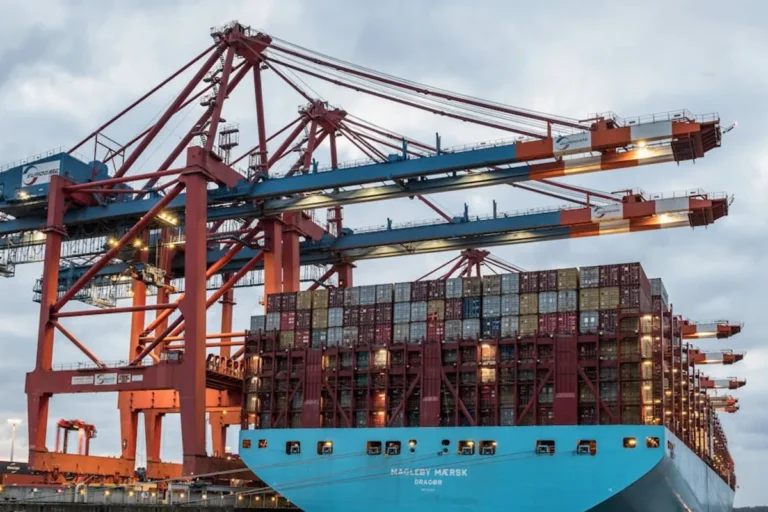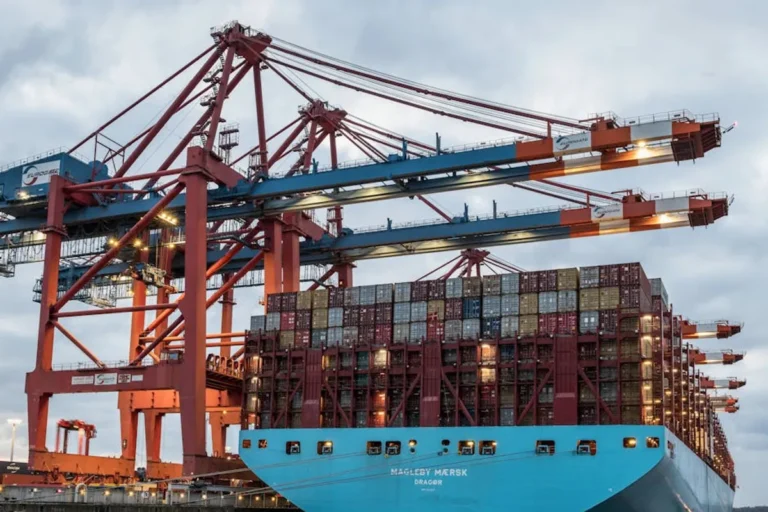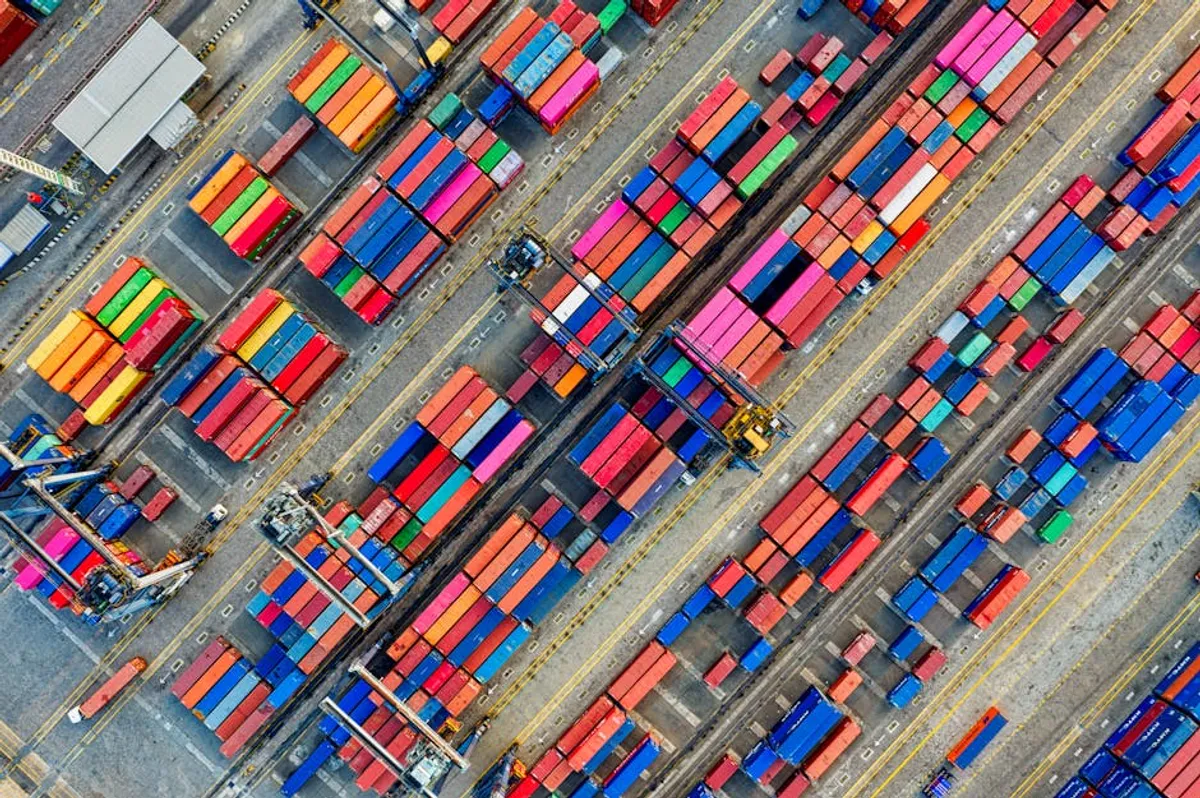
Incoterms, or International Commercial Terms, are a universally recognized set of rules published by the International Chamber of Commerce (ICC) that define the responsibilities of sellers and buyers for the delivery of goods under sales contracts. For manufacturers engaged in global trade, understanding and correctly applying Incoterms is not merely a compliance issue; it directly impacts pricing, profit margins, risk exposure, and customer satisfaction. These terms clarify who is responsible for paying for and managing the shipment, insurance, documentation, and customs clearance at each stage of the shipping process. Misinterpreting or misapplying an Incoterm can lead to unexpected costs, shipment delays, disputes, and damaged business relationships. Understanding shipping documentation requirements is critical for sellers and buyers.
Manufacturers must view Incoterms as a strategic component of their export and import operations. The choice of Incoterm dictates when the risk of loss or damage to goods transfers from the seller to the buyer, where the costs are allocated, and who handles specific logistical tasks. This guide outlines the practical implications of Incoterms for manufacturers, helping to navigate these critical trade rules effectively.
Understanding the Core of Incoterms
The ICC first published Incoterms in 1936, updating them periodically to reflect evolving global trade practices. The current version, Incoterms 2020, categorizes 11 distinct rules into four groups (E, F, C, D), each signifying a different level of responsibility for the seller (manufacturer) and buyer. Fundamentally, Incoterms address four key areas:
- Delivery: Where and when the seller delivers the goods to the buyer. This defines the critical point where risk transfers.
- Risk: The point at which the risk of loss or damage to the goods transfers from seller to buyer. This is often, but not always, the same as the delivery point.
- Costs: Which party is responsible for various costs, including transport, loading, unloading, insurance, and customs duties.
- Customs Formalities: Which party is responsible for export and import clearances, including licenses, security checks, and duties.
It is crucial to note that Incoterms do not deal with the transfer of title or ownership of the goods, nor do they cover breach of contract or product liability. These aspects are governed by the sales contract itself and applicable national laws.
Key Incoterms for Manufacturers and Their Implications
While all 11 Incoterms 2020 rules are valid, certain terms are more frequently encountered by manufacturers, each carrying distinct advantages and disadvantages.
EXW (Ex Works) – Minimum Manufacturer Responsibility
Under EXW, the manufacturer's responsibility is minimal. Goods are made available at the manufacturer's premises (factory, warehouse), and the buyer assumes all costs and risks from that point onward, including loading the goods onto the first carrier. This term is often chosen by new exporters or when the buyer has significant logistics expertise and prefers to manage the entire shipping process.
Pro Tip for Manufacturers: While EXW minimizes your logistical burden, it places significant responsibility on the buyer. Ensure the buyer's freight forwarder loads the goods correctly and safely at your premises. Any damage during loading, even by the buyer's chosen carrier, can sometimes be disputed. Clearly define the loading responsibilities in your sales contract to avoid ambiguity.
FCA (Free Carrier) – Flexible and Widely Used
FCA is highly versatile and suitable for all modes of transport. The manufacturer delivers the goods to the buyer's nominated carrier at a named place. This place can be the manufacturer's factory or another agreed-upon location, such as a freight forwarder's warehouse. Risk and cost transfer to the buyer at this point. FCA is often preferred over FOB for containerized cargo because it accurately reflects the point where the seller hands over responsibility for the goods, which is typically before they are loaded onto a vessel.
DAP (Delivered at Place) – Balanced Responsibility
With DAP, the manufacturer delivers the goods, ready for unloading, at a named place of destination. The manufacturer bears all risks and costs associated with transportation up to that point, but the buyer is responsible for import customs clearance and any associated duties and taxes, as well as unloading. This term offers a good balance for manufacturers who want to manage international shipping but prefer the buyer to handle the complexities of import clearance in their own country.
DDP (Delivered Duty Paid) – Maximum Manufacturer Responsibility
DDP represents the maximum obligation for the manufacturer. The manufacturer delivers the goods to the buyer's named place of destination, cleared for import, and ready for unloading. The manufacturer bears all costs and risks, including duties, taxes, and other charges payable upon import. This term is often used for high-value goods, e-commerce, or when the manufacturer wants to provide a seamless, "door-to-door" service to the buyer.
Warning for Manufacturers: DDP is complex and risky. Handling import customs, duties, and taxes in a foreign country requires deep knowledge of local regulations, which can change frequently. Errors can lead to significant delays, unexpected costs, and penalties. Only use DDP if you have robust international logistics and customs expertise or a reliable customs broker in the destination country.
Selecting the Right Incoterm: A Manufacturer's Checklist
Choosing the appropriate Incoterm requires careful consideration of several factors:
- Mode of Transport: Some Incoterms are specific to sea and inland waterway transport (FAS, FOB, CFR, CIF), while others are suitable for any mode (EXW, FCA, CPT, CIP, DAP, DPU, DDP).
- Buyer's Capabilities: Assess the buyer's logistical expertise, ability to arrange transport, and knowledge of import customs procedures in their country.
- Manufacturer's Capabilities and Risk Appetite: How much control does your company want over the shipping process? How much risk are you willing to assume? Do you have the resources and expertise to manage international logistics, insurance, and customs?
- Cost Implications: Each Incoterm has different cost allocations. Ensure the chosen term aligns with your pricing strategy and profit margins.
- Nature of Goods: Perishable goods, dangerous goods, or high-value items may necessitate specific Incoterms to manage risk and insurance effectively.
Integrating Incoterms into Your Operations
For manufacturers, Incoterms are not just legal clauses; they are operational directives. Integrate them into your processes by:
- Clear Contractual Language: Always specify the chosen Incoterm and the exact named place in your sales contracts (e.g., "FCA, Manufacturer's Factory, Anytown, USA, Incoterms 2020").
- Internal Training: Ensure your sales, logistics, finance, and legal teams understand the implications of each Incoterm. This prevents misquotes, logistical errors, and financial surprises.
- Reviewing Logistics Partners: Your freight forwarders and customs brokers must be fully aware of the agreed Incoterm to execute their services correctly.
- Insurance Coverage: Confirm that insurance coverage aligns with the point of risk transfer. If you are responsible for risk during transit, ensure adequate cargo insurance is in place.
Strategic Incoterm Management for Manufacturers
Effective Incoterm management goes beyond mere compliance; it is a strategic business decision that impacts profitability, operational efficiency, and customer relationships. Manufacturers who proactively choose and manage Incoterms can optimize their supply chain, reduce unforeseen costs, and provide a clearer service offering to their international buyers. Regularly review your Incoterm choices, especially when entering new markets or dealing with new customers, and consult with international trade experts when in doubt. This diligence ensures smooth international transactions and protects your company's interests.
Frequently Asked Questions
What is the most common Incoterm for manufacturers?
FCA (Free Carrier) and EXW (Ex Works) are frequently used by manufacturers. FCA is popular due to its flexibility for all transport modes and clear risk transfer at a named delivery point, often the manufacturer's facility. EXW is common when the buyer prefers to manage all logistics from the factory gate.
Can Incoterms be changed after a contract is signed?
While technically possible, changing Incoterms after a contract is signed requires mutual agreement from both buyer and seller and should be documented as an amendment to the original sales contract. This is generally discouraged due to the potential for disputes and logistical complications.
Do Incoterms cover the transfer of ownership of goods?
No, Incoterms explicitly do not cover the transfer of ownership or title to goods. They solely define the responsibilities for delivery, risk, and costs associated with the transportation of goods. Ownership transfer is governed by the terms of the sales contract and applicable law.
Which Incoterm means the seller (manufacturer) handles everything?
DDP (Delivered Duty Paid) places the maximum responsibility on the seller (manufacturer). Under DDP, the manufacturer is responsible for all costs and risks, including customs clearance and payment of duties and taxes, until the goods are delivered to the buyer's named destination.