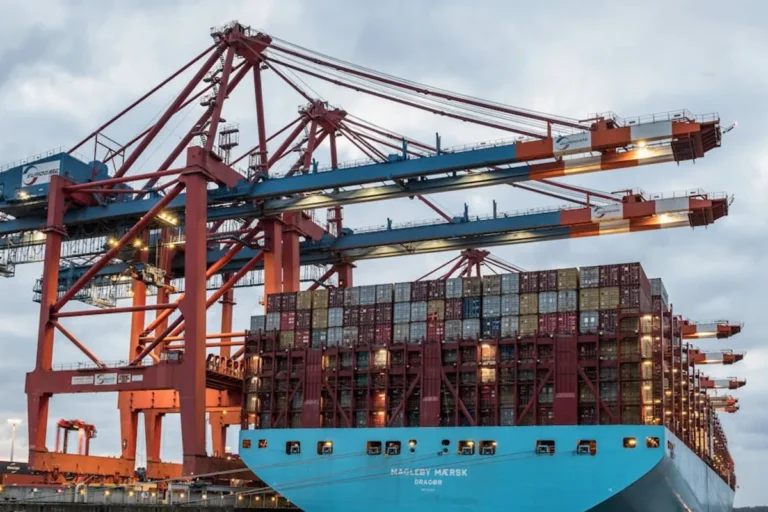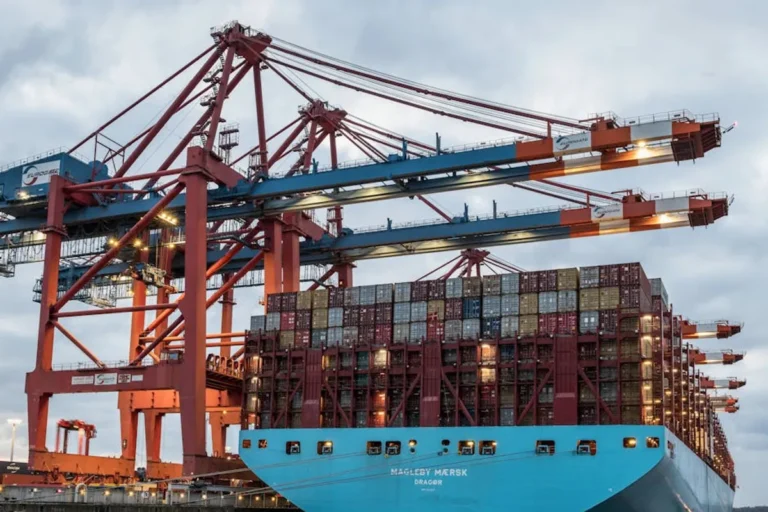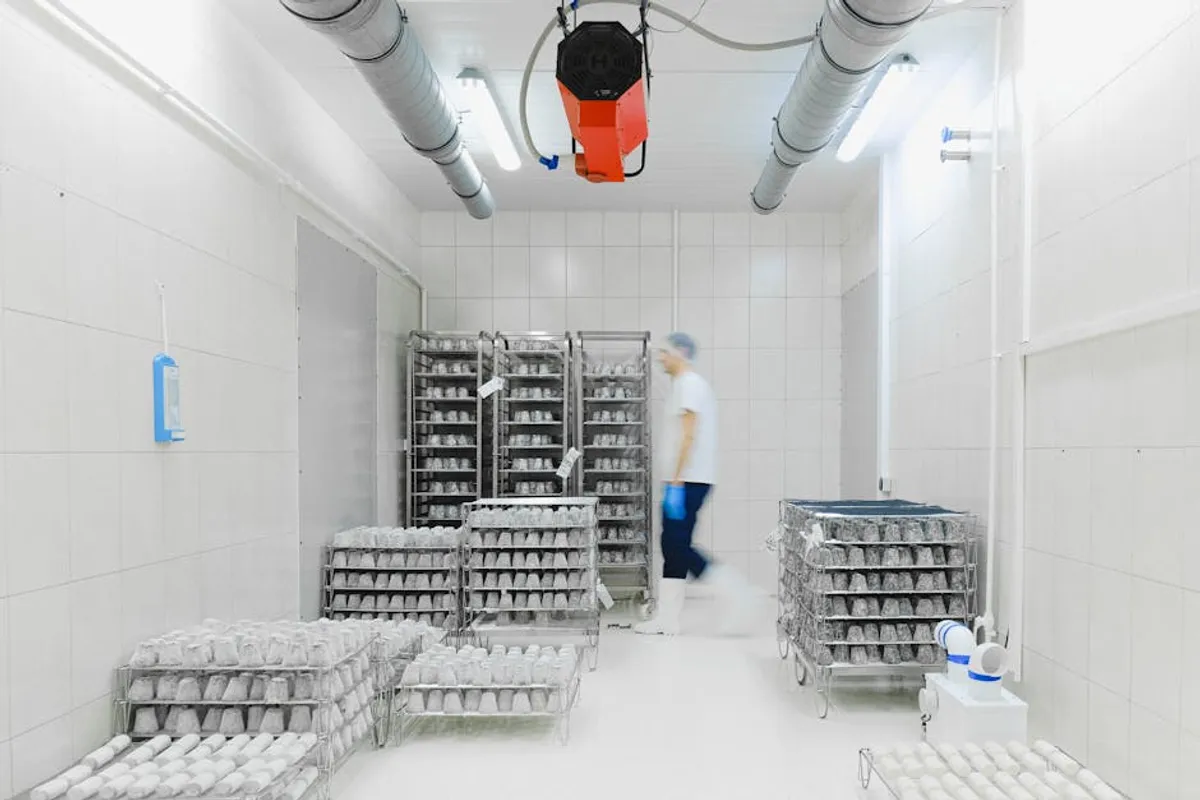
Importers dealing with temperature-sensitive goods face a critical decision: how to maintain product integrity from origin to destination. This challenge is precisely what cold chain logistics addresses, encompassing the specialized processes and technologies required to preserve product quality and safety through controlled temperature environments. For businesses bringing pharmaceuticals, fresh produce, frozen foods, or chemicals across borders, a robust cold chain is not merely an operational detail; it is a fundamental requirement for regulatory compliance, market access, and ultimately, commercial viability. Understanding its components and strategic implementation is essential for mitigating risks like spoilage, contamination, and financial losses.
Core Components of Cold Chain Logistics
Effective cold chain management relies on the seamless integration of several specialized elements, each designed to maintain specific temperature ranges and environmental conditions throughout the supply journey.
Temperature-Controlled Storage
This includes refrigerated warehouses, cold rooms, and freezers. These facilities are equipped with advanced insulation, precise temperature monitoring systems, and often backup power to prevent fluctuations. The design must accommodate various temperature requirements, from chilled (2-8°C) for pharmaceuticals to deep frozen (-20°C or colder) for certain food products. Proper inventory management within these spaces is also crucial to ensure first-in, first-out (FIFO) principles and minimize dwell times that could compromise product quality.
Refrigerated Transportation
Commonly known as "reefers," these specialized vehicles, containers, and vessels are the backbone of cold chain movement. This category includes:
- Refrigerated Trucks: Equipped with self-powered cooling units for road transport, often with multi-temperature zones.
- Refrigerated Ocean Containers: Standardized containers with integrated cooling systems, capable of maintaining consistent temperatures over long sea voyages.
- Air Cargo Coolers: Specialized containers or thermal blankets used in air freight to protect sensitive goods during transit, often relying on passive cooling or active units with limited power.
Each mode requires rigorous pre-cooling and continuous temperature monitoring to prevent thermal excursions.
Monitoring and Tracking Technologies
Visibility is paramount in cold chain logistics. Modern systems utilize data loggers, GPS tracking, and IoT sensors to provide real-time information on temperature, humidity, and location. This data is critical for:
- Proactive Intervention: Identifying and addressing temperature deviations before they compromise product quality.
- Compliance Documentation: Generating audit trails for regulatory bodies and quality assurance.
- Performance Analysis: Optimizing routes, storage, and handling procedures based on historical data.
Specialized Packaging Solutions
Beyond standard packaging, cold chain requires materials that provide thermal protection. This includes insulated containers, gel packs, dry ice, and phase change materials (PCMs) that absorb or release thermal energy to maintain a stable temperature. The choice of packaging depends on the product's specific temperature range, transit time, and external environmental conditions.
Why Cold Chain Matters for Importers
For importers, neglecting cold chain protocols carries significant commercial and operational risks, while adherence offers distinct advantages.
Product Integrity and Safety
Temperature excursions can degrade product quality, efficacy, and safety. Pharmaceuticals may lose potency, fresh produce can spoil, and chemicals might destabilize. A reliable cold chain ensures that products arrive in the condition they were intended, safeguarding consumer health and preventing costly recalls.
Regulatory Compliance
Many imported goods, particularly in the pharmaceutical and food sectors, are subject to stringent regulations regarding temperature control. Non-compliance can result in severe penalties, product confiscation, and bans on future imports. Demonstrating a documented, unbroken cold chain is often a prerequisite for market entry.
Cost Implications
The financial consequences of cold chain failure are substantial. Spoiled goods lead to direct product loss and waste disposal costs. Reworks, re-shipments, and expedited freight to replace compromised inventory erode profit margins. Furthermore, regulatory fines and legal liabilities from unsafe products can be devastating.
Brand Reputation and Customer Trust
Consistently delivering high-quality, safe products builds brand loyalty. Conversely, incidents of product spoilage or safety concerns due to inadequate cold chain management can severely damage a brand's reputation, leading to lost sales and long-term erosion of customer trust.
Pro Tip: When evaluating cold chain providers, always request detailed case studies specific to your product type and target regions. Focus on their track record for maintaining temperature ranges, not just their stated capabilities. A provider's ability to demonstrate consistent performance under real-world conditions is more valuable than generalized claims.
Key Considerations for Importers When Selecting a Cold Chain Partner
Choosing the right cold chain logistics partner is a strategic decision that impacts every aspect of your import operations.
Geographic Reach and Network
Evaluate the partner's network capabilities at both origin and destination. Do they have established cold storage facilities and refrigerated transport options in your key sourcing countries and distribution hubs? A fragmented network can introduce hand-off risks and temperature breaks.
Technology Integration and Visibility
Prioritize partners offering robust tracking and monitoring systems. Real-time data access, automated alerts for deviations, and comprehensive reporting capabilities are essential for oversight and compliance. Inquire about their data integration capabilities with your existing ERP or supply chain management systems.
Compliance and Certifications
Verify that potential partners hold relevant industry certifications (e.g., GDP for pharmaceuticals, HACCP for food) and demonstrate a deep understanding of international and local regulatory requirements for your specific product category. Ask for audit reports and evidence of their quality management systems.
Contingency Planning
Unforeseen events, such as mechanical failures, customs delays, or extreme weather, can jeopardize cold chain integrity. A reliable partner will have clear, documented contingency plans for power outages, equipment malfunctions, and rerouting to mitigate risks and protect your cargo.
Optimizing Your Cold Chain Operations
Beyond partner selection, importers can implement internal strategies to enhance cold chain reliability. This includes conducting regular risk assessments of your supply chain, investing in employee training on proper handling and documentation, and establishing clear communication protocols with all stakeholders. Continuously reviewing temperature data and incident reports allows for iterative improvements and proactive problem-solving.
Navigating Cold Chain Logistics as an Importer
Successful cold chain logistics for importers hinges on meticulous planning, robust technology, and strategic partnerships. By prioritizing product integrity, regulatory compliance, and risk mitigation, businesses can safeguard their investments and ensure the safe, timely delivery of temperature-sensitive goods. The commercial implications extend beyond avoiding losses; they encompass building a reputation for reliability and securing long-term market presence.
Frequently Asked Questions
What is a "thermal excursion" in cold chain logistics?
A thermal excursion refers to any deviation from the specified temperature range for a product during storage or transit. These excursions can compromise product quality, safety, or efficacy, making them a critical concern in cold chain management.
How do I know what temperature range my imported product needs?
The required temperature range is typically specified by the product manufacturer, regulatory bodies, or industry standards relevant to your specific goods (e.g., pharmaceutical guidelines, food safety regulations). Always consult these sources and clearly communicate requirements to your logistics partners.
Can I use standard shipping for some parts of my cold chain?
No, any segment of the supply chain involving temperature-sensitive goods must maintain the specified cold chain conditions. Using standard shipping for even a short period can lead to thermal excursions and product spoilage, negating the efforts made in other cold chain segments.
What documentation is essential for cold chain imports?
Key documentation includes temperature monitoring logs, proof of compliance with relevant regulations (e.g., health certificates, phytosanitary certificates), customs declarations, bills of lading, and detailed packing lists. These documents verify temperature control and facilitate customs clearance.