Businesses often use "supply chain visibility" and "container shipping" interchangeably, but they represent distinct, though interconnected, operational domains within global logistics. Understanding their specific roles is critical for optimizing resource allocation, mitigating risks, and making informed strategic decisions. Container shipping refers to the physical transport of goods in standardized units across global networks, primarily via ocean. Supply chain visibility, conversely, is the overarching capability to track and monitor products, information, and financial flows from origin to destination, providing real-time insights across the entire logistics continuum. This capability, supply chain visibility, is the overarching capability to track and monitor products, information, and financial flows from origin to consumption.
Defining Supply Chain Visibility
Supply chain visibility is the ability to track and trace goods, orders, and events across the entire supply chain, from raw material sourcing through manufacturing, transportation, and final delivery. It provides a comprehensive, often real-time, view of where goods are, their status, and any potential disruptions affecting their movement or storage. This capability relies heavily on data aggregation and advanced analytics.
Key components of robust supply chain visibility include:
- Real-time Tracking: Utilizing technologies like GPS, IoT sensors, and RFID to monitor asset location and condition.
- Data Integration: Consolidating data from various systems (e.g., ERP, TMS, WMS, carrier portals) into a single, unified platform.
- Predictive Analytics: Leveraging historical data and current conditions to forecast potential delays, demand fluctuations, or capacity shortages.
- Alerts and Notifications: Automated communication regarding exceptions, deviations from planned schedules, or critical events.
- Performance Metrics: Dashboards and reports that provide insights into key performance indicators (KPIs) like on-time delivery rates, lead times, and inventory turns.
Best for: Strategic planning, risk management, inventory optimization, proactive issue resolution, and enhancing customer service through accurate delivery estimates.
Defining Container Shipping
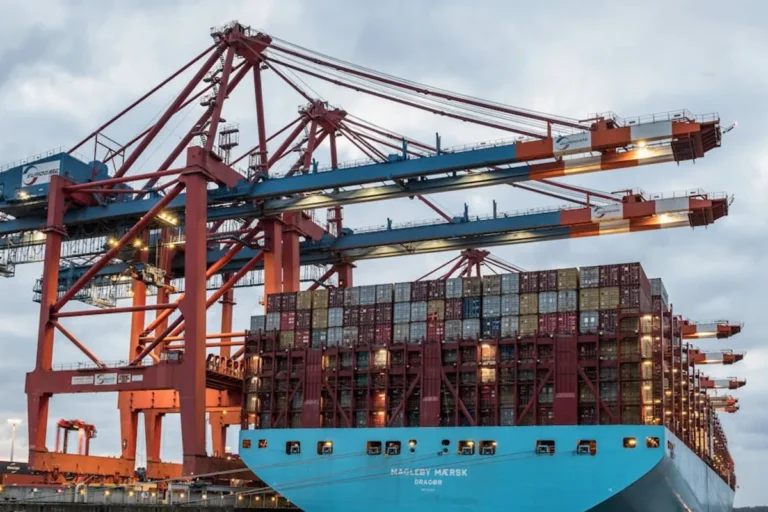
Container shipping specifically refers to the method of transporting cargo in standardized intermodal containers. These containers are designed for efficient transfer between different modes of transport—ships, trains, and trucks—without needing to unload and reload the cargo itself. This standardization revolutionized global trade by dramatically reducing handling costs and transit times, making international logistics more efficient and economical.
The operational aspects of container shipping involve:
- Vessel Operations: The scheduling, loading, and navigation of container ships across ocean routes.
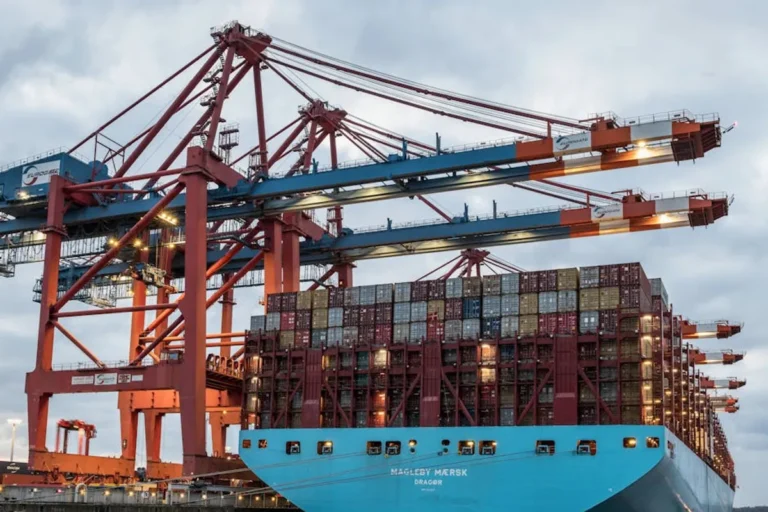
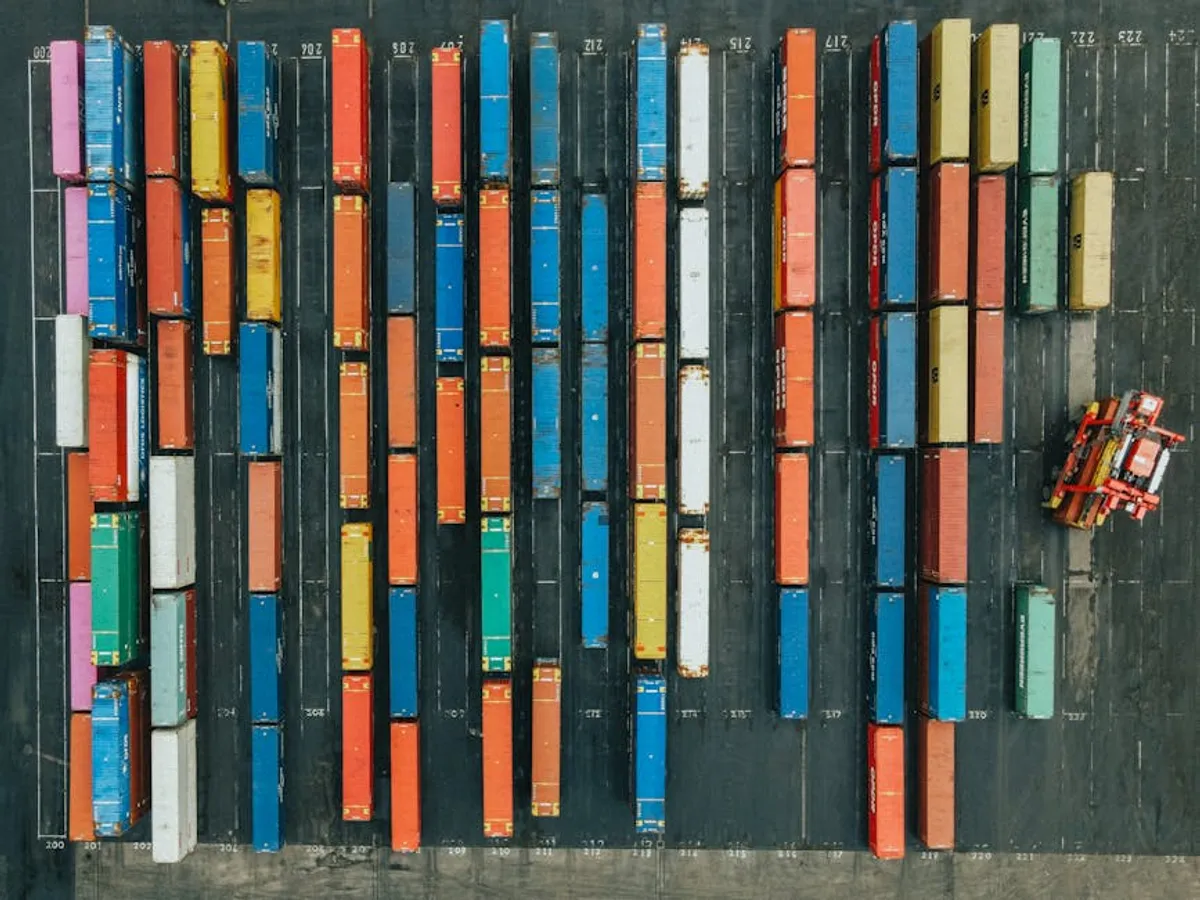
- Port Logistics: The complex processes of moving containers through port terminals, including crane operations, stacking, and customs clearance.
- Intermodal Transport: The coordination of rail and truck services to move containers to and from ports, connecting them to inland destinations.
- Booking and Documentation: The administrative processes of reserving container space on vessels, preparing bills of lading, and managing customs declarations.
Best for: Cost-effective, high-volume transportation of goods across long distances, facilitating global trade and manufacturing supply chains.
Core Differences and Synergies
The distinction between supply chain visibility and container shipping lies primarily in their scope, focus, and the type of value they deliver:
Scope and Focus
Container shipping is a specific *method* of physical transportation, a crucial operational component within a larger supply chain. Its focus is on the efficient movement of goods from point A to point B using standardized units. Supply chain visibility, however, is an *information management capability* that transcends any single mode of transport. It aims to provide an end-to-end informational overview of all processes, including, but not limited to, container shipping movements.
For example, a container shipping company provides tracking for a specific container's journey on their vessel. A supply chain visibility platform would integrate that container's movement data with information about the raw materials' origin, manufacturing status, inventory levels at various warehouses, and the final mile delivery status, offering a holistic view.
Data vs. Physical Movement
Container shipping deals with the physical logistics of moving cargo. While it generates tracking data (e.g., vessel location, estimated time of arrival), its primary function is the physical transport. Supply chain visibility, by contrast, is fundamentally about data. It collects, processes, and interprets data from various sources—including container shipping carriers—to create actionable insights. Without the underlying physical movement provided by container shipping (and other modes), visibility would have no data to analyze. Conversely, without visibility, the data generated by container shipping remains siloed and less useful for strategic decision-making.
Strategic vs. Operational Impact
Container shipping is an operational necessity for global trade. Its efficiency directly impacts transport costs and transit times. Supply chain visibility, however, offers a more strategic advantage. By aggregating and analyzing data, it enables businesses to:
- Proactively identify and mitigate potential disruptions (e.g., port strikes, weather delays affecting container ships).
- Optimize inventory levels by knowing exactly where goods are and when they will arrive.
- Improve demand forecasting by understanding real-time supply constraints.
- Enhance customer satisfaction through accurate, real-time delivery information.
Pro Tip: Achieving true supply chain resilience requires more than just tracking individual container movements. Integrate data from all your shipping partners—ocean, air, rail, and road—into a centralized visibility platform. This holistic approach reveals interdependencies and allows for proactive adjustments, preventing minor shipping delays from cascading into major supply chain disruptions.
Integrating for Optimal Performance
Neither concept operates in isolation for an optimized supply chain. Container shipping provides the physical backbone for global commerce, while supply chain visibility provides the intelligence layer that makes that backbone adaptable and resilient. Businesses that effectively integrate data from their container shipping operations into broader visibility platforms gain a competitive edge. This integration allows for:
- Enhanced Planning: Accurate ETAs for containers feed directly into production schedules and inventory management.
- Faster Response: Early warnings of shipping delays enable businesses to reroute cargo, adjust production, or inform customers before issues escalate.
- Cost Reduction: Identifying inefficiencies in shipping routes, demurrage charges, or detention fees through detailed visibility data.
- Improved Compliance: Better tracking of goods for customs, regulatory, and sustainability reporting.
Actionable Insights for Modern Logistics
For logistics professionals and supply chain managers, the goal is not to choose between supply chain visibility and container shipping, but to leverage both effectively. Invest in robust container shipping partnerships for reliable physical movement, and simultaneously implement advanced visibility solutions to gain granular control and predictive power over those movements. This dual focus ensures that goods flow efficiently and that the information about those goods is readily available and actionable, driving both operational excellence and strategic foresight.
Frequently Asked Questions
What is the primary goal of supply chain visibility?
The primary goal is to provide end-to-end transparency and real-time insights into the movement, status, and condition of goods and information across the entire supply chain, enabling proactive decision-making and risk mitigation.
How does container shipping contribute to supply chain visibility?
Container shipping generates critical data points, such as vessel location, port calls, and estimated arrival times, which are fed into supply chain visibility platforms. This data forms a fundamental layer of information for tracking goods in transit.
Can a business have container shipping without supply chain visibility?
Yes, a business can engage in container shipping without advanced supply chain visibility. However, this often means relying on fragmented tracking information from individual carriers, leading to limited real-time insights, reactive problem-solving, and increased risk exposure.
Why is understanding the difference important for businesses?
Understanding the difference helps businesses allocate resources appropriately. They can invest in efficient container shipping for physical logistics while simultaneously developing robust visibility capabilities to manage information flow, mitigate risks, and optimize the entire supply chain strategically.