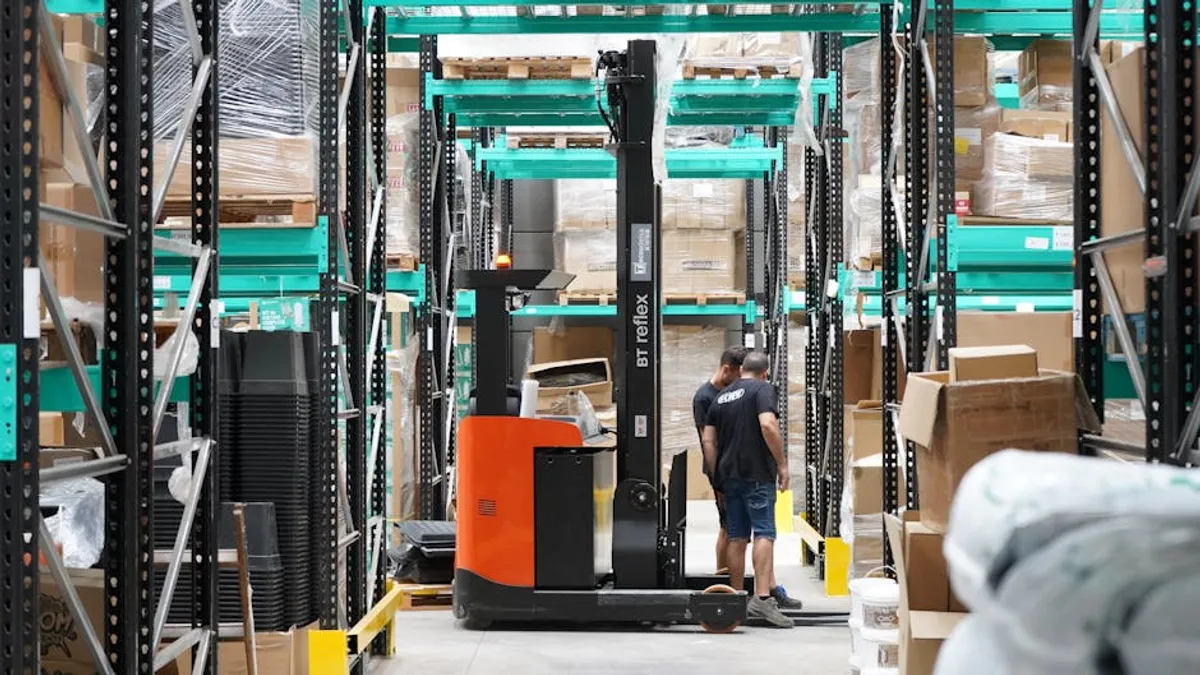
Logistics managers face increasing pressure to navigate complex, interconnected supply chains, often characterized by geopolitical volatility, fluctuating demand, and unexpected disruptions. Achieving true supply chain visibility is no longer a strategic advantage but a fundamental requirement for operational resilience and sustained profitability. This checklist provides a structured approach to evaluate and enhance your organization's visibility capabilities, focusing on actionable steps rather than abstract concepts. It aims to help you identify gaps, prioritize initiatives, and build a more transparent, responsive, and robust logistics network.
Establishing Foundational Data Integration and Standardization
Effective supply chain visibility begins with reliable data. Without a consistent, integrated data stream from all relevant touchpoints, any visibility effort will yield fragmented and unreliable insights. The goal here is to create a single, accurate source of truth.
Data Source Identification and Integration
Pinpoint every data source within your supply chain, from raw material suppliers to final mile delivery. This includes ERP systems, warehouse management systems (WMS), transportation management systems (TMS), supplier portals, and carrier tracking platforms. Evaluate the current integration methods:
- API Connectivity: Assess the extent to which existing systems can communicate via application programming interfaces for real-time data exchange. Prioritize vendors offering robust, documented APIs.
- EDI Capabilities: For traditional partners, confirm Electronic Data Interchange (EDI) standards (e.g., ANSI X12, EDIFACT) are in place and regularly audited for compliance and data integrity.
- Manual Data Entry Points: Identify areas still reliant on manual input. These are prime candidates for automation due to their high error rates and latency.
Data Standardization and Quality Assurance
Data from disparate systems often arrives in varying formats. Standardization is critical for aggregation and analysis.
- Common Data Models: Implement a universal data model for key entities like SKUs, locations, order numbers, and shipment statuses. This ensures consistency across all platforms.
- Master Data Management (MDM): Establish processes and tools for managing master data (e.g., product catalogs, vendor lists, customer information). MDM ensures data accuracy, consistency, and a single version of truth across the enterprise.
- Data Validation Rules: Define and enforce rules for data input and transfer to catch errors at the source. This includes checks for format, completeness, and logical consistency.
- Regular Audits: Schedule routine data quality audits to identify discrepancies, missing information, and outdated records, ensuring continuous improvement.
Implementing Real-time Tracking and Monitoring
Once data foundations are solid, the next step is to leverage that data for real-time insights into goods movement and status. This moves beyond static reports to dynamic, actionable intelligence.
In-Transit Visibility Solutions
Track shipments as they move through various legs of the journey:
- GPS and Telematics: Integrate with carrier GPS data or install telematics devices on owned fleets to monitor vehicle location, speed, and status.
- IoT Sensors: Deploy sensors for environmental monitoring (temperature, humidity), shock detection, and container security, especially for sensitive or high-value goods.
- Carrier Integration: Establish direct integrations with primary carriers to pull real-time updates on pickup, transit milestones, and estimated times of arrival (ETAs).
Warehouse and Inventory Visibility
Beyond transportation, visibility within storage facilities is equally crucial.
- WMS Integration: Ensure your WMS provides real-time inventory levels, location tracking, and order fulfillment status.
- RFID and Barcode Scanning: Utilize these technologies for accurate and rapid inventory counts, put-away, and picking processes, minimizing manual errors and improving data capture speed.
- Yard Management Systems (YMS): Implement YMS to track trailers, containers, and vehicles within your facility yards, optimizing dock scheduling and reducing demurrage.
Pro Tip: When evaluating new visibility technologies, prioritize solutions that offer open APIs and a proven track record of integration with a wide range of existing enterprise systems. A closed system, no matter how powerful, will ultimately create new data silos.
Integrating Risk Management and Predictive Analytics
True visibility extends beyond knowing where things are; it involves understanding potential disruptions and proactively mitigating their impact. This requires leveraging data for predictive insights.
Disruption Detection and Alerting
Develop systems to identify and alert logistics managers to potential issues:
- Geopolitical and Weather Monitoring: Integrate with external data feeds that provide real-time updates on weather events, political unrest, or natural disasters that could impact routes or facilities.
- Supplier Performance Monitoring: Track supplier on-time performance, quality metrics, and compliance to identify potential bottlenecks or risks before they escalate.
- Exception-Based Reporting: Configure alerts for deviations from planned schedules, unexpected delays, or changes in order status, allowing for immediate intervention.
Predictive Modeling and Scenario Planning
Use historical data and current trends to forecast future events and assess potential impacts.
- Demand Forecasting: Employ advanced analytics to predict future demand patterns, optimizing inventory levels and preventing stockouts or overstocks.
- Route Optimization with Predictive Traffic: Incorporate real-time and historical traffic data to suggest optimal routes that account for potential delays.
- Impact Analysis Tools: Develop capabilities to model the financial and operational impact of various disruption scenarios, aiding in strategic decision-making.
Fostering Collaboration and Communication
Visibility is a shared responsibility. Effective communication channels and collaborative platforms are essential to leverage insights across the entire ecosystem.
Stakeholder Communication Protocols
Define clear communication pathways for internal and external partners:
- Internal Dashboards: Provide customized dashboards for different departments (e.g., sales, procurement, production) with relevant visibility data, ensuring everyone operates from the same information.
- Supplier and Carrier Portals: Implement secure web portals where partners can update order statuses, upload documentation, and access performance feedback.
- Automated Notifications: Set up automated email or SMS notifications for key milestones, exceptions, or changes, reducing manual communication efforts.
Collaborative Planning and Execution
Move beyond information sharing to joint decision-making and coordinated actions.
- Shared Planning Platforms: Utilize platforms that allow joint forecasting, capacity planning, and order management with key suppliers and customers.
- Feedback Loops: Establish formal processes for collecting feedback from carriers, warehouses, and customers to continuously improve logistics operations.
Measuring Performance and Driving Continuous Improvement
Visibility without measurement is incomplete. Define key performance indicators (KPIs) and establish a framework for ongoing analysis and optimization.
Key Performance Indicators (KPIs)
Select metrics that directly reflect the effectiveness of your visibility efforts:
- On-Time Delivery (OTD): Track the percentage of shipments delivered on or before the promised date.
- Lead Time Accuracy: Measure the variance between estimated and actual lead times.
- Inventory Accuracy: Assess the precision of inventory records against physical counts.
- Exception Resolution Time: Monitor how quickly identified issues are addressed and resolved.
- Cost Per Shipment: Analyze the total cost associated with each delivery, identifying areas for efficiency gains.
Reporting and Analytics Framework
Develop a robust system for data analysis and reporting.
- Customizable Dashboards: Provide interactive dashboards that allow managers to drill down into specific data points and visualize trends.
- Root Cause Analysis Tools: Implement tools or processes to systematically investigate the underlying reasons for performance deviations.
- Benchmarking: Compare your visibility KPIs against industry standards and best practices to identify areas for improvement and set ambitious targets.
Implementing Your Visibility Roadmap
Achieving comprehensive supply chain visibility is an iterative process. Start with critical pain points, secure executive buy-in, and scale your efforts. Focus on solutions that offer modularity and can integrate with your existing infrastructure, avoiding "rip and replace" approaches where possible. Prioritize data accuracy and standardization from day one, as this forms the bedrock of all subsequent visibility initiatives. Regularly review your capabilities against evolving market demands and technological advancements to ensure your supply chain remains transparent, agile, and competitive.
Frequently Asked Questions
What is supply chain visibility?
Supply chain visibility refers to the ability to track products, orders, and information flows across the entire supply chain, from raw material sourcing to final customer delivery. It provides real-time insights into the location, status, and condition of goods, as well as the performance of logistics partners.
Why is supply chain visibility important for logistics managers?
For logistics managers, visibility is crucial for proactive decision-making, risk mitigation, and operational efficiency. It enables better inventory management, improved on-time delivery rates, reduced costs associated with delays and disruptions, and enhanced customer satisfaction through accurate delivery information. Achieving reliable supply chain benefits is critical for long term success.
What are the main challenges in achieving supply chain visibility?
Key challenges include integrating disparate systems from multiple partners, ensuring data standardization and quality, managing the sheer volume of data, and obtaining buy-in from all stakeholders across the extended supply chain. Legacy systems and a lack of common data protocols often complicate implementation.
How can a logistics manager begin to implement a visibility strategy?
Start by auditing existing data sources and identifying critical gaps. Prioritize areas with the highest impact on operational efficiency or customer satisfaction. Focus on standardizing data and integrating key systems first, then gradually expand to real-time tracking, predictive analytics, and broader partner collaboration. A phased approach ensures manageability and demonstrates incremental value.