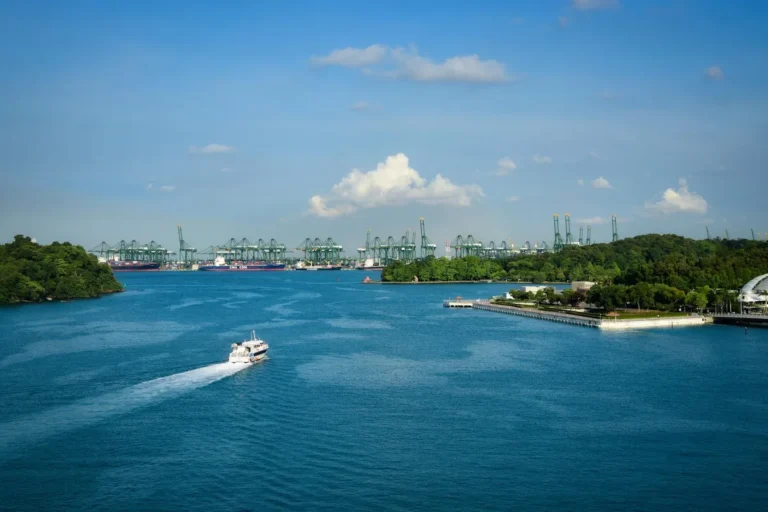
The Port of Singapore Authority's consolidation of the Singapore container business onto the Tuas mega-port has been one of the more substantial port development programs of the decade, and the phase two commissioning through 2025 and into 2026 has been moving the operational picture from theoretical capacity to actual throughput on a meaningful scale. The trade-press coverage of the program has been substantial, but the operational reality of what the new terminals are doing differently from the legacy facilities has been less consistently covered than the headline capacity figures.
This piece works through what the Tuas phase two terminals are doing operationally, how the automation choices are working in practice, and what the implications are for the broader Asian transshipment market that Singapore competes in. The view here is informed by conversations with terminal operators, shipping line operations managers, and the consultants who have been working through the implementation.
The automation architecture and what it actually does
The Tuas terminals are built around a higher level of automation than any of the legacy Singapore terminals. The automation includes automated stacking cranes in the yard, autonomous container handling equipment for horizontal transport, and substantial automation of the gate and rail interfaces. The architectural choices reflect the experience PSA has accumulated from operating the existing facilities and from observing the automation programs at other major Asian terminals.
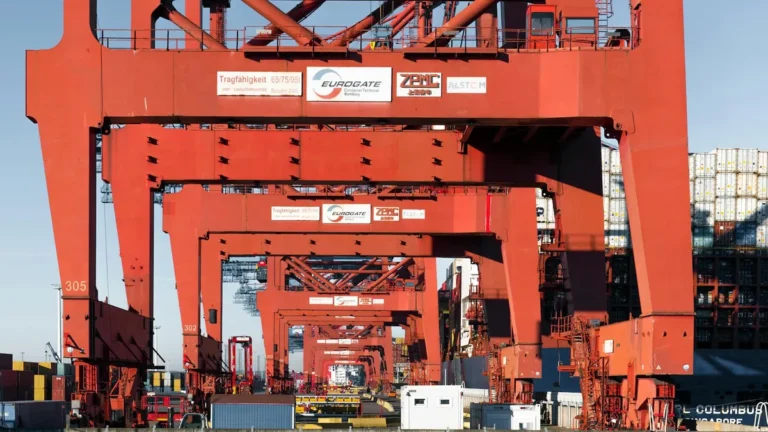
The yard automation uses double-cantilever automated stacking cranes that allow simultaneous landside and seaside operations on the same stack. The configuration is designed to support high yard intensity with minimum interference between landside and seaside operations, which is the principal operational constraint that limits productivity at high-utilization terminals. The double-cantilever design has been used at several other major terminals and has a known operational track record that informed the Tuas implementation.
The horizontal transport uses a combination of automated guided vehicles for some flows and conventional terminal tractors operated by drivers for other flows. The hybrid configuration was a deliberate choice rather than a default — fully-automated horizontal transport has shown mixed results at some of the early-adopter terminals, and PSA's approach has been to deploy automation in the areas where the operational benefit is clearest and to maintain conventional operations where the automation case is less compelling.
The gate and rail interfaces are highly automated, with appointment-based gate operations, automated documentation processing, and rail terminal automation that supports the inland connectivity that has been built up alongside the marine terminal capacity.
The productivity numbers and what they mean
The productivity numbers from the Tuas phase two terminals through 2025 have generally tracked the design expectations and in some respects have exceeded them. Crane productivity on the largest vessels has been running above the design rates, with several specific calls achieving move-per-hour numbers that are at the upper end of what has been achieved at any major container terminal. The yard productivity has been running closer to design levels, with some learning-curve effects working through as the terminal staff and the systems integrate operational experience.
The productivity numbers matter for the customers in the specific operational dimensions that determine vessel turnaround time, cargo cutoff times, and the reliability of departure schedules. The Tuas terminals have been delivering vessel turnaround performance that supports the major shipping lines' service-reliability commitments to their customers, and the operational discipline has been an important contributor to the carriers that use Singapore as their principal Southeast Asian transshipment hub.
The cargo dwell times have been comparable to or modestly better than the legacy terminals, with the operational design supporting both transshipment flows and origin-destination cargo without the operational conflicts that have constrained dwell time at some other major facilities. The transshipment ratio at Singapore is unusually high — the bulk of the cargo through the port is transshipment rather than origin-destination — and the terminal design has been optimized for that flow pattern.
The competitive position in the Asian transshipment market
Singapore's position in the Asian transshipment market depends on a combination of geographic location, operational performance, and the broader business environment that has supported the trade hub function. The Tuas program is one of the principal supports for the continued operational performance that the position depends on.
The principal competing transshipment hubs in the region include Port Klang and Tanjung Pelepas in Malaysia, Hong Kong (under pressure for other reasons), and several smaller transshipment terminals across Southeast Asia. The Tuas operational improvements help Singapore maintain a productivity premium that supports the transshipment business against the lower-cost alternatives.
The cost structure at Singapore is higher than at the principal alternatives, and the value proposition depends on the productivity premium being large enough to justify the cost differential. The Tuas program is designed to maintain that productivity premium through the period in which the alternatives are also investing in their own capacity and operational improvements. The competitive equilibrium that emerges will depend on how the operational performance comparison evolves over the next several years.
The major shipping lines have generally signaled continued commitment to Singapore as their principal Southeast Asian hub, with the Tuas operational performance as one of the principal supports for that commitment. The alliance structures and the major-carrier strategic decisions have not shown the kind of signaling toward alternative hubs that would suggest weakening commitment to Singapore, but the competitive pressure from the alternatives is real and the operational performance question is genuinely consequential.
What the labor and operational management picture looks like
The transition from the legacy terminals to Tuas has involved substantial workforce changes, with the operational roles in the automated terminal differing substantively from the roles in the conventional terminals. The workforce planning has been one of the more carefully managed aspects of the program, with attention to retraining, role evolution, and the operational continuity through the transition period.
The control-room operations at Tuas are a substantial scale-up from anything PSA has previously operated, with operational decisions being made at the system level rather than at the individual equipment level for substantial portions of the operational flow. The skills required for the control-room roles are substantially different from the equipment-operation skills that the legacy terminals depend on, and the workforce development that has supported the transition has been a multi-year program.
The operational management approach at the automated terminals also differs from the conventional approach in ways that affect how operational decisions are made and how performance is monitored. The data flows from the automated systems support real-time operational analysis at a level of detail that conventional operations do not generate, and the operational discipline that the data supports has been one of the productivity contributors.
What other ports have been learning from the program
Major port operators around the world have been watching the Tuas program for operational and design lessons that are applicable to their own automation programs. The PSA experience with the specific automation choices at Tuas, the workforce transition approach, and the operational management framework has been one of the principal contemporary references for major port automation discussions.
The specific lessons that have been most actively discussed include the hybrid automation approach for horizontal transport, the double-cantilever yard crane configuration, the appointment-based gate operations, and the data-driven operational management framework. Each of these lessons has been more or less applicable depending on the specific operational and design context of other ports, but the Tuas reference has been influential across the industry.
The major Chinese ports have been making parallel automation investments with somewhat different design choices, and the comparison between the Singapore and Chinese approaches has been one of the principal discussions in the port-automation literature. The European and North American ports have been making more incremental automation investments, with selected facilities adopting some of the Tuas-style approaches in modified forms.
What phase three is likely to involve
The phase three commissioning through 2027 and beyond will continue the buildout of the Tuas terminals to the full design capacity of the program. The phase three terminals will incorporate operational lessons from the phase one and phase two experience, with refinements to the automation architecture, the operational management approach, and the workforce structure that the program has been working through.
The full capacity that the Tuas program is designed for will not be required immediately for the trade volumes that Singapore handles, and the phasing of the capacity additions reflects the expected demand growth and the operational ramp-up considerations. The capacity flexibility that the phased commissioning provides is one of the operational supports for the program's adaptability to demand-side variation.
The phase three planning has been adjusting in response to the actual demand patterns and operational performance that phases one and two have produced. The kind of measured, evidence-informed planning approach that has characterized the program is likely to continue, with operational decisions being made based on the data that the operations are generating rather than on the design assumptions in isolation.
What the program means for the broader regional logistics
The Tuas operational performance has implications that extend beyond the terminal-level productivity and into the broader regional logistics picture. The reliability of Singapore as a transshipment hub affects the service patterns of the major shipping lines, the routing decisions of the BCOs that depend on Asian transshipment, and the development trajectory of the broader Southeast Asian logistics ecosystem.
The continued operational performance of Singapore as a major hub supports the kind of network effects that have made the region one of the principal global logistics centers. The Tuas program is one of the principal supports for those network effects being maintained over the coming decade, with implications for the trade routes that depend on Singapore and for the major shipping lines that build their service networks around Singapore as a structural component.
The trade-press coverage of the Tuas program has appropriately focused on the headline capacity and the design choices, but the operational reality of what the program is producing through 2026 is at least as important as the design ambitions. The work of running the terminals at the productivity levels the program targets is a multi-year operational discipline, and the discipline that PSA has been demonstrating is one of the principal reasons the program has been delivering against its commitments. Worth watching as phase three works through.