Rotterdam is the largest container port in Europe and has been for longer than most of the alternatives have been seriously competing for the position. The 2026 capacity build going through the Maasvlakte and the upgrades to the existing terminals are the most substantial single program of port development in northwest Europe at the moment, and the implications for hinterland logistics are starting to look like something more than incremental adjustments to the existing flow.
Worth being clear about what the program actually is and what it is not. The headline numbers around terminal capacity additions get cited a lot in the general business press without much attention to what the operational reality of bringing that capacity online actually looks like. The hinterland implications get cited even less precisely. So this piece works through what the program means at the level of terminal throughput, what the hinterland connectivity buildout looks like, and what the logistics service providers and shippers should actually be planning around.
The terminal capacity additions
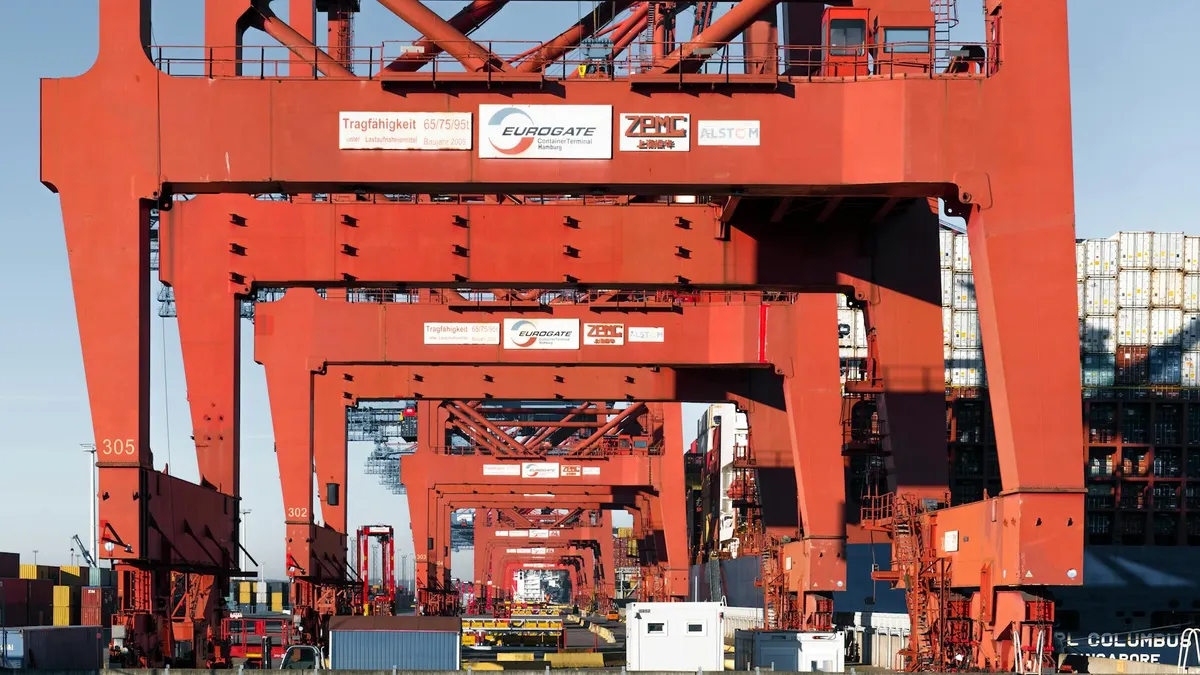
The Maasvlakte expansion projects through 2026 and into 2027 add substantial new terminal capacity, with the principal additions concentrated at the deep-water container terminals on the western edge of the port complex. The exact capacity numbers depend on what you include — quay length, crane productivity, yard intensity, and operational hours all factor into the practical capacity that the additions represent.
The relevant question for the trade is not the headline TEU-per-year capacity figure but the operational productivity that the new terminals achieve once they are running at design capacity. The Dutch terminals have been operating at productivity levels that compare well internationally, and the new capacity is being built with automation infrastructure that supports continued productivity gains. The operational maturity that the existing terminals have built up over many years is a substantial competitive advantage that the new capacity inherits.
The Antwerp-Bruges combination has been making capacity additions on a parallel timeline and is the principal competing port on the northwest European range. Hamburg has been working through its own modernization program with somewhat less ambitious capacity additions. The competitive structure across the northwest European ports is shifting in ways that the 2026 capacity additions will help define more clearly.
The hinterland connectivity work
Terminal capacity is necessary but not sufficient. The hinterland connectivity — rail, barge and road — determines whether the terminal capacity translates into useful logistics service for the shippers that the port serves. The Rotterdam hinterland buildout that accompanies the 2026 capacity additions includes substantial investments in all three modes.
The rail connectivity has been the priority for the modal shift policy that the Port of Rotterdam authority and the Dutch government have been working through for several years. The Betuweroute freight rail line has been operating below its design capacity for most of its existence, and the operational improvements that have been working through over the past several years have started to push utilization toward levels that justify the original investment. The capacity additions on the marine terminals work because they are paired with the rail capacity that can move the additional volume inland.
The barge connectivity through the Rhine system is the workhorse of Rotterdam hinterland logistics and has been throughout the modern era of the port. The Rhine fleet has been working through generational replacement with vessels that meet contemporary emissions standards, and the barge terminals at the major Rhine corridor nodes have been upgrading to handle the larger inland container vessels that have been deployed over recent years. The barge mode's share of Rotterdam hinterland container flows has been increasing modestly through 2024 and 2025, and the trend is expected to continue.
The road connectivity, which still handles the largest share of total hinterland container flow despite the modal-shift policy, has been the subject of the most contested infrastructure decisions. The road network around Rotterdam has been operating near capacity at peak periods for an extended time, and the planned improvements have been working through political and environmental review processes that have moved at the pace such processes tend to move. The road capacity is the constraint that is hardest to relieve quickly and that the hinterland system is most exposed to.
What the shipper view is
The shippers and logistics service providers I talk to who are most exposed to Rotterdam-routed flows are generally positive about the 2026 capacity build but have specific concerns about the operational readiness of the new infrastructure when it comes online. The pattern across recent major terminal openings — at Rotterdam and elsewhere — has been that the design capacity is achieved over a multi-year ramp rather than immediately at commissioning, and the practical capacity available in the first eighteen months after opening is typically substantially less than the design figure suggests.
The implications for capacity planning are that shippers should be cautious about assuming the headline capacity figures translate directly into available service capacity from contract season 2026 onwards. The carriers that are most exposed to the Rotterdam capacity additions are pacing their deployment commitments to align with the operational ramp of the new terminals rather than with the headline capacity additions in isolation.
The contract structures for hinterland services have been evolving alongside the capacity changes. Longer-term contracts for rail and barge services have been more available than they were a few years ago, and the rate structures for those contracts reflect the operational improvements that the hinterland buildout is enabling. The shipper-side benefit from the capacity build is more about service reliability and rate predictability than about dramatic rate reductions.
What the equipment and box-flow picture looks like
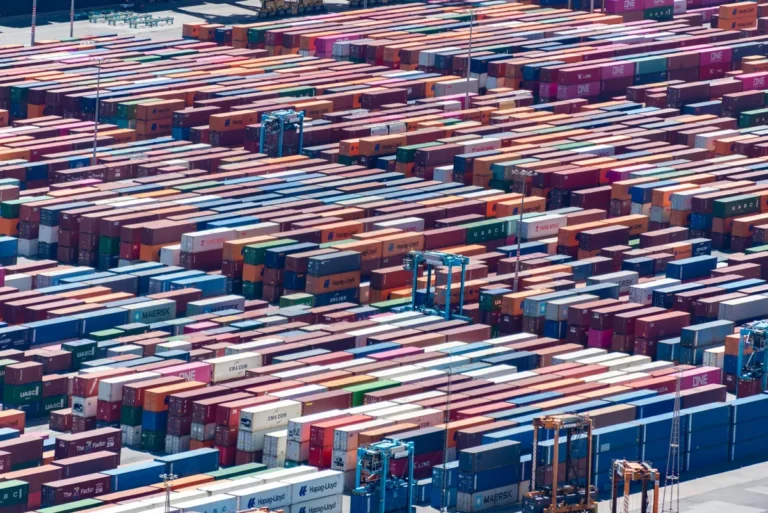
The capacity additions do not just affect vessel-side throughput. The yard intensity and the box-flow dynamics inside the terminals are also being upgraded by the modernization work, with implications for dwell times, equipment availability and the broader supply-chain rhythm that depends on Rotterdam as a transshipment node.
The dwell-time performance at the existing Rotterdam terminals has been improving through 2024 and into 2025, with the average container dwell time on key segments down measurably from the levels that the post-pandemic congestion period produced. The 2026 capacity additions are expected to support further dwell-time improvements as the additional yard intensity reduces the operational pressure on the existing terminals.
The equipment positioning question — the imbalance between full and empty containers, the repositioning costs, and the operational management of the equipment pool — is partly a port-level question and partly a network-level question. The hinterland connectivity improvements help on the port-level side by making empty repositioning more efficient. The network-level imbalances depend on the trade flows that the carriers are managing and are not principally a Rotterdam-specific issue.
The competitive implications across northwest Europe
The northwest European port range is a competitive market in which Rotterdam, Antwerp-Bruges and Hamburg have been the principal players for an extended period. The 2026 capacity additions at Rotterdam, combined with the parallel additions at Antwerp-Bruges and the more modest modernization at Hamburg, are shaping the competitive dynamics in ways that the shippers and carriers are factoring into routing decisions.
Rotterdam's competitive advantage has historically been the combination of deep water, extensive hinterland connectivity, and operational maturity. The 2026 capacity build reinforces those advantages in ways that are more substantial than incremental improvement. Antwerp-Bruges has been making investments that strengthen its own competitive position, particularly on the chemicals and project-cargo segments. Hamburg has been working through transition decisions that have been less ambitious than the Rotterdam or Antwerp programs.
The implications for trade routing are that Rotterdam is likely to consolidate its position as the dominant northwest European gateway for major Asia-Europe container flows, with Antwerp-Bruges maintaining strong positions in specific segments where its advantages are more differentiated. The Hamburg-routed flows are likely to continue facing more competitive pressure than the German political environment has been comfortable acknowledging.
What to actually plan around
For shippers and logistics service providers planning around the Rotterdam capacity additions, the practical guidance is to align with the operational ramp rather than with the headline capacity numbers, to engage early with hinterland mode providers whose capacity is also expanding, and to treat the contract negotiations for 2026 and 2027 as opportunities to lock in service commitments that reflect the improving operational environment rather than to chase rate reductions that the capacity additions alone are unlikely to deliver.
The 2026 capacity build at Rotterdam is one of the more substantial pieces of port infrastructure development happening in Europe at the moment. The hinterland implications are real, the operational improvements are working through, and the trade-press attention is warranted. The general business press coverage that has framed the program in simpler terms is missing most of what actually matters about it for the people who run the supply chains that depend on the port.