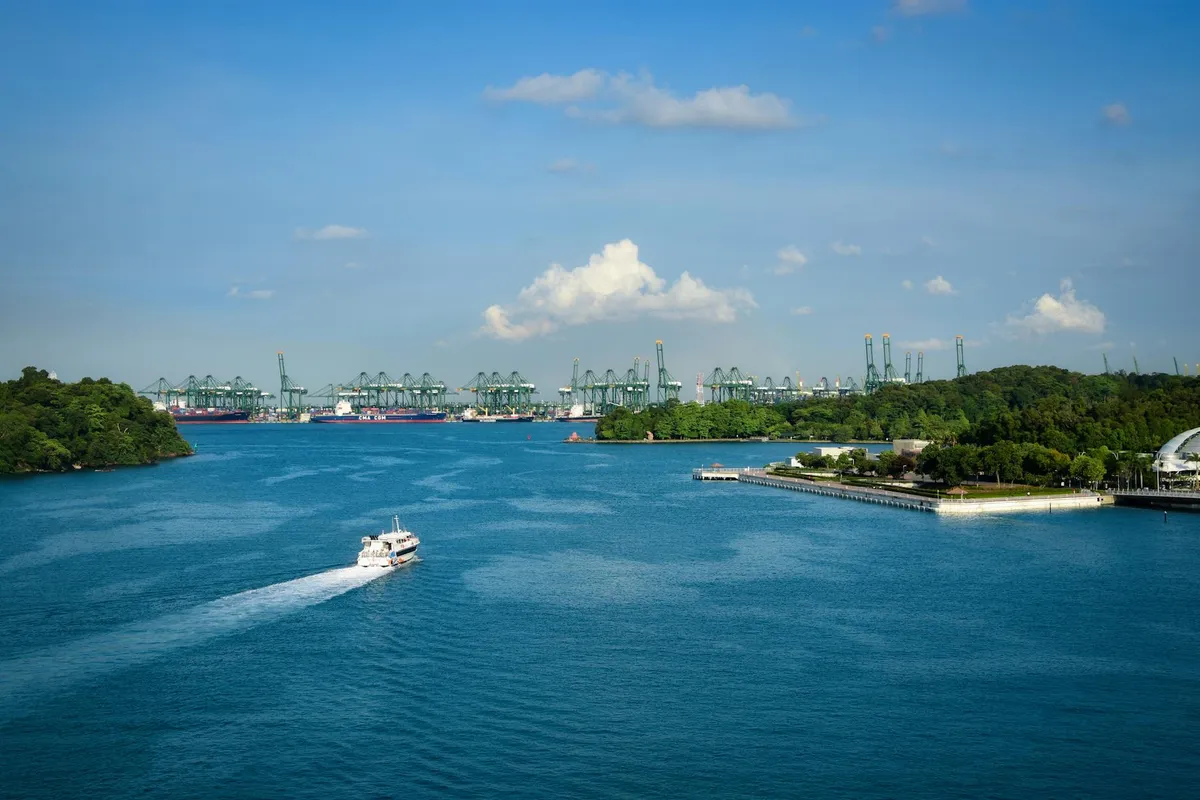
Singapore is the world's largest bunkering hub, with annual bunker sales that exceed fifty million tonnes and a structural position in the global maritime fuel supply chain that goes back decades. The port's position as the principal Asian bunkering location has been one of the foundational elements of the global shipping system, and the decarbonization program that the Maritime and Port Authority has been working through has implications that extend across the global fleet.
This piece works through what the Singapore decarbonization program actually involves, what the implementation timeline looks like, and what the implications are for shipping operators that depend on Singapore as a bunkering location. The view here is informed by conversations with bunker suppliers, with major shipping line operations managers, and with the regulatory and port authority officials who are administering the framework.
The scale of what Singapore is
The bunker volume that moves through Singapore each year is large enough that the port's fuel-mix decisions have measurable effects on the global average emissions profile of the marine bunker pool. The major shipping lines that route through Singapore on their Asia-Europe and intra-Asian services have historically taken substantial bunker volumes at Singapore, with the operational efficiency, fuel availability, and price competitiveness of the location supporting that pattern.
The bunker supply infrastructure at Singapore involves a substantial bunker barge fleet, extensive shore-side storage, and the operational protocols that support efficient bunkering operations alongside the principal anchorages. The infrastructure has been developed over many decades and represents substantial accumulated investment and operational expertise.
The fuel mix at Singapore historically has been dominated by conventional fuel oil and low-sulphur fuel oil, with growing volumes of distillate fuels and increasing but still small volumes of alternative fuels. The transition of the fuel mix toward lower-carbon options is one of the principal components of the decarbonization program.
What the program actually involves
The Singapore decarbonization program for marine fuel involves several specific components that are working through on different timelines. The first component is the development of alternative-fuel bunkering capability at scale, with methanol and ammonia bunkering capability being the principal current focus alongside the existing LNG bunkering that has been operational for several years.
The methanol bunkering capability at Singapore has been developing through 2024 and 2025, with the first commercial methanol bunkering operations conducted in 2023 and with the bunker barge fleet expanding to support more substantial volumes through the past two years. The major bunkering companies have been investing in methanol-capable bunker barges and in the supporting shore-side infrastructure.
The ammonia bunkering capability is at an earlier stage of development, with significant safety and operational protocols being established alongside the technical infrastructure. The first commercial ammonia bunkering operations at Singapore have been conducted in 2025 with appropriate scale, and the operational protocols have been developing with attention to the substantial safety considerations that ammonia handling requires.
The LNG bunkering at Singapore has been operational for several years and continues to be a meaningful component of the alternative fuel infrastructure. The volumes have been growing as LNG-fuelled vessels have been delivered to the operators that route through Singapore, with the LNG bunker barge fleet expanding accordingly.
The biofuel component
Biofuel blends and biofuel-only bunkering have been one of the principal operational pathways for emissions reduction in the near term, with substantial volumes of biofuel blends being supplied at Singapore through the past several years. The biofuel sources include both first-generation biofuels and second-generation biofuels from waste and residue feedstocks, with the sustainability certification of the supply being one of the principal regulatory considerations.
The biofuel supply chain at Singapore has been developing alongside the regulatory framework that supports the biofuel sustainability assurance. The certification mechanisms that allow customers to claim the carbon-intensity benefits of the biofuel volumes have been important for the commercial viability of the biofuel pathway, and the development of those mechanisms has been a substantive part of the regulatory work.
The role of biofuels in the longer-term decarbonization picture is genuinely debated, with views ranging from biofuels being a useful transition fuel to biofuels being a sustained component of the lower-carbon fuel mix indefinitely. Singapore's positioning in the biofuel pathway is generally toward the useful-transition view, with the longer-term emphasis on synthetic fuels (methanol and ammonia) and on the supporting renewable energy supply chains.
The regulatory framework
The Maritime and Port Authority of Singapore has been developing the regulatory framework that supports the decarbonization program alongside the infrastructure development. The framework includes operational standards for alternative fuel bunkering, safety protocols for the new fuels, certification mechanisms for the fuel sustainability claims, and the broader policy framework that positions Singapore competitively in the developing global marine fuel market.
The framework integrates with the IMO regulatory framework and with the EU regulatory framework where applicable, with attention to the operational implications for shipping lines that move between the regulatory regimes. The dual-framework operational considerations have been one of the principal areas of policy work, with the aim of supporting Singapore's position as a hub that serves the global fleet effectively under multiple regulatory environments.
The fee structures and the operational charges associated with alternative fuel bunkering have been adjusted to support the early development of the network. The objective is to make Singapore commercially attractive for alternative fuel bunkering while the supply chains develop, with the longer-term expectation that the cost structure will normalize as the alternative fuel pathways achieve scale.
What the shipping operators are seeing
The shipping operators that route through Singapore have been benefiting from the developing alternative fuel availability at the location, with operational planning increasingly able to incorporate methanol and (for some operators) LNG bunkering at Singapore as part of the broader voyage planning. The bunker availability picture has been improving through 2025 in ways that support the operational deployment of alternative-fuel vessels on routes that include Singapore.
The cost picture for alternative fuels at Singapore reflects the broader supply situation for low-carbon fuels globally, with substantial premiums over conventional fuel prices that have been working through to vessel operating economics. The operators that have customer commitments supporting the alternative fuel deployment have generally been able to absorb the cost differentials through the supporting contract structures. The operators without similar customer-side support have been more cautious about the alternative fuel commitments.
The operational practicalities of bunkering alternative fuels at Singapore have been working through, with the principal operational adjustments involving longer bunker operations, additional safety protocols, and coordination with the supplying bunker barge operators. The major shipping lines that are using methanol bunkering regularly have been building operational experience that supports the broader fleet deployment.
What the competitive picture looks like
The competitive position of Singapore as a bunkering hub depends on a combination of fuel availability, operational efficiency, and the broader operational environment that the port provides. The alternative fuel infrastructure development has been one of the principal supports for the competitive position over the longer term, with the assumption being that the operators will increasingly prefer hubs that offer comprehensive alternative fuel options as the fleet renewal trajectory moves toward alternative-fuel-capable vessels.
The competing bunkering hubs include Rotterdam in Europe, Fujairah in the Middle East, and several smaller hubs across various regions. Each of these locations has been developing its own alternative fuel capabilities, with Rotterdam being the principal competitive concern for Singapore as Europe's decarbonization framework drives substantial alternative fuel infrastructure development at the location. Fujairah has been developing alternative fuel capability with attention to the regional Middle East energy industry context.
The competitive dynamics over the next several years will depend on the pace of the alternative fuel network development at each of the competing locations, on the supply availability for the various alternative fuels, and on the operational efficiency of the bunkering operations under the new fuel mix. Singapore's position is generally strong, but it cannot be taken as guaranteed in a market environment where multiple major hubs are investing substantially in their own decarbonization positioning.
The longer-term outlook
The longer-term trajectory for Singapore as a bunkering hub depends on the broader trajectory of marine fuel decarbonization and on Singapore's ability to position competitively within that trajectory. The major shipping lines that drive bunker demand are committing to alternative fuel pathways at substantial scale, and the bunkering hubs that support those pathways effectively will be the locations that maintain their operational positions.
The Singapore strategy has positioned the location to be among the principal Asian alternative fuel bunkering hubs over the coming decade, with the infrastructure, regulatory framework, and operational capability that the major shipping operators require. The execution of the strategy through the implementation period will determine whether the positioning translates into sustained competitive advantage.
The renewable energy supply chains that support the alternative fuel production are also an important component of the longer-term picture. Singapore has been working on partnerships and policy frameworks that support access to the renewable energy and the alternative fuel production capacity that the bunkering hub will require at scale. The development of these supporting supply chains is one of the principal areas of policy attention.
What the program means for the global shipping picture
The Singapore decarbonization program is significant for the global shipping industry beyond just the operational implications for Singapore-routed services. The development of alternative fuel bunkering at scale at the world's largest bunkering hub provides one of the principal supporting conditions for the broader alternative fuel transition across the global fleet.
The pace of the transition globally depends substantially on the operational viability of alternative fuel options at the major bunkering hubs, with Singapore being one of the principal nodes in the supporting network. The progress at Singapore over the past several years has been one of the principal supports for the operational deployment of alternative fuel vessels by the major shipping lines, and the continued progress will be one of the principal supports for the trajectory through the coming decade.
The program is genuinely substantive and the implementation has been working through with the kind of operational seriousness that a hub of Singapore's scale and importance requires. The trade-press attention to the program has been substantial but does not always engage with the operational substance of what the program involves. The work is real, the infrastructure is being built, and the operational outcomes are being delivered. The implications for the broader shipping industry are substantial, and the continued attention from operators, regulators, and the customer side is warranted by what is actually being accomplished.