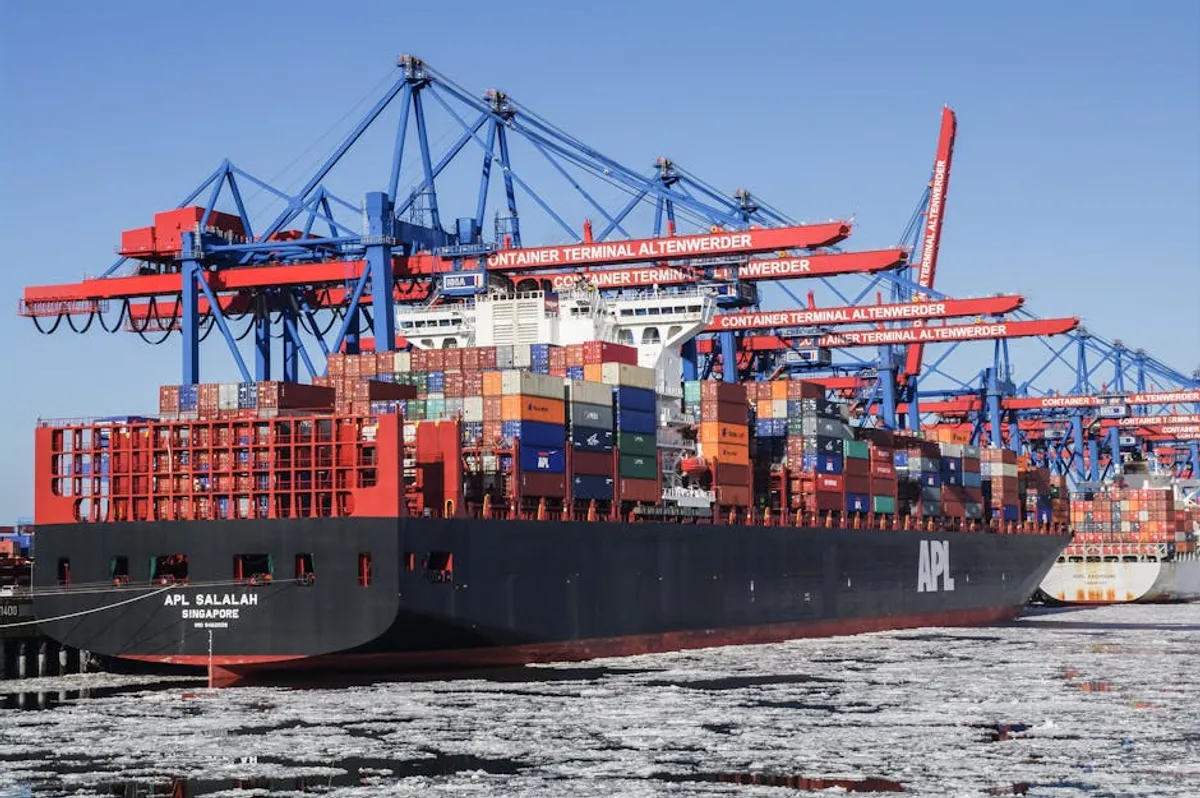
The Port of Singapore stands as a pivotal node in global supply chains, processing over 37 million TEUs annually and connecting to 600 ports worldwide. For businesses engaged in international trade, understanding its operational framework is not merely advantageous but essential for optimizing logistics, reducing transit times, and managing costs effectively. This guide provides a detailed overview of the Port of Singapore’s infrastructure, services, and operational considerations, offering practical insights for shippers, freight forwarders, and supply chain managers aiming to leverage its strategic position and advanced capabilities.
Strategic Position and Global Connectivity
Singapore’s port benefits from an unparalleled geographic location at the crossroads of major shipping lanes, particularly the Strait of Malacca. This position facilitates its role as the world’s largest transshipment hub, meaning a significant portion of its cargo is transferred between vessels rather than entering or leaving Singapore for local consumption. This transshipment model offers several commercial advantages:
- Extensive Network Access: Shippers gain access to an extensive network of feeder services that connect to smaller regional ports, allowing for consolidated shipments on larger mainline vessels. This reduces the need for direct calls at every port, streamlining routes and potentially lowering overall freight costs.
- Reduced Transit Times: The high frequency of vessel calls and efficient cargo transfers minimize layover periods, accelerating the movement of goods from origin to final destination.
- Supply Chain Resilience: Its robust connectivity provides alternative routing options, enhancing supply chain resilience against disruptions in other regions or specific port congestion.
The port handles approximately one-seventh of the world's container transshipment volume, underscoring its critical role in global maritime trade flows. Its operational efficiency supports this volume, with an average vessel turnaround time that is among the fastest globally for mega-containerships.
Operational Efficiency and Infrastructure
The Port of Singapore is managed by PSA Singapore, which operates several terminals including Pasir Panjang Terminal, Keppel Terminal, and Brani Terminal. These facilities are equipped to handle the largest container vessels currently in operation, featuring deep-water berths, high-capacity quay cranes, and automated yard operations. The ongoing development of Tuas Port, designed to consolidate all container operations into a single, advanced facility, aims to further enhance capacity and automation. Tuas Port is projected to be fully operational by the 2040s, with an eventual capacity of 65 million TEUs annually.
Key Infrastructure Elements:
- Automated Systems: The port utilizes advanced automation in yard operations, including automated guided vehicles (AGVs) and automated rail-mounted gantry (ARMG) cranes, which contribute to faster processing and reduced human error.
- Digital Integration: PortNet, Singapore's national trade and logistics platform, provides a single window for stakeholders to submit trade declarations, manage permits, and track cargo movements. This digital infrastructure streamlines administrative processes, reducing paperwork and processing delays.
- Specialized Facilities: Beyond container handling, the Port of Singapore includes Jurong Port, which manages multi-purpose cargo, bulk, and break-bulk operations. There are also dedicated terminals for liquid bulk and chemical products, catering to specific industry needs with specialized handling and storage solutions.
Key Services for Maritime Businesses
The Port of Singapore offers a comprehensive suite of maritime services that extend beyond basic cargo handling, designed to support the full spectrum of shipping and logistics requirements.
Bunkering Services
Singapore is recognized as the world's largest bunkering port, supplying over 50 million tonnes of marine fuel annually. This extensive capacity ensures competitive pricing and ready availability of various fuel grades, including low-sulfur options compliant with IMO 2020 regulations. Vessel operators can refuel efficiently without significant diversions, minimizing operational delays and costs.
Ship Repair and Maintenance
The port's ecosystem includes a robust ship repair and maintenance industry, offering dry-docking, routine maintenance, and emergency repair services for a wide range of vessel types. This co-location of repair facilities with cargo operations allows vessels to undergo necessary servicing while minimizing downtime between voyages.
Logistics and Warehousing
Strategically located free trade zones (FTZs) within the port area allow for storage, consolidation, and value-added logistics activities without incurring customs duties until goods enter the domestic market. This provides flexibility for inventory management and distribution, particularly for regional distribution centers. Facilities include temperature-controlled warehouses, specialized storage for hazardous materials, and cross-docking capabilities.
Navigating Regulatory Compliance
Compliance with Singaporean regulations is crucial for smooth port operations. The Maritime and Port Authority of Singapore (MPA) oversees all port and marine activities, setting standards for safety, security, and environmental protection. Singapore Customs manages import, export, and transshipment declarations.
Key Compliance Considerations:
- TradeNet System: All trade declarations must be submitted electronically through the TradeNet system. This platform facilitates swift processing of permits and customs clearances, typically within minutes for routine transactions.
- Documentation: Accurate and complete documentation, including bills of lading, manifests, customs permits, and certificates of origin, is mandatory. Errors can lead to delays and penalties.
- Security: The port adheres to the International Ship and Port Facility Security (ISPS) Code, requiring stringent security protocols for vessels and facilities.
Pro Tip: Leverage Singapore's digital trade platforms like PortNet and TradeNet by integrating your internal systems where possible. This automation minimizes manual data entry errors and significantly accelerates customs clearance and cargo tracking, reducing potential demurrage charges and improving overall supply chain visibility. Early and accurate submission of documentation is paramount.
Optimizing Your Port of Singapore Operations
To maximize the benefits of using the Port of Singapore, consider these operational strategies:
- Strategic Carrier Selection: Choose carriers that offer direct services or efficient transshipment connections through Singapore to your target markets. Evaluate their schedule reliability and specific terminal operations.
- Utilize Free Trade Zones: For goods destined for regional distribution or value-added processing, leverage the FTZs to defer duties and streamline inventory management. This is particularly beneficial for high-value goods or those requiring assembly.
- Advance Planning: Given the port's high volume, booking slots for vessel calls, bunkering, and specific cargo handling services well in advance is critical to avoid potential delays, especially during peak shipping seasons.
- Digital Integration: Work with logistics partners who are proficient in using Singapore's digital trade platforms. This ensures seamless information flow and reduces administrative bottlenecks.
Common Questions About Singapore Shipping
What are the typical transit times through the Port of Singapore?
Transit times vary significantly based on the origin and destination of the cargo. As a major transshipment hub, direct port-to-port transit times can be very short for mainline services. However, including feeder services and cargo transfers, total transit can range from a few days for regional destinations to several weeks for intercontinental routes. The port's efficiency in cargo transfer minimizes the time vessels spend in port.
How does Singapore handle specialized cargo or hazardous materials?
The Port of Singapore has dedicated facilities and strict protocols for handling specialized cargo, including liquid bulk, chemicals, and hazardous materials. Jurong Port and specific terminals are equipped with specialized infrastructure and trained personnel. Shippers must declare such cargo accurately and comply with all international and local regulations, including packaging, labeling, and documentation requirements, to ensure safe and compliant handling.
What digital tools are available for tracking shipments through the port?
PortNet is the primary digital platform for port users, offering services such as vessel tracking, cargo status inquiries, and permit applications. Many shipping lines and freight forwarders also provide their own proprietary tracking systems that integrate with PortNet data, offering end-to-end visibility. For customs and trade documentation, the TradeNet system provides real-time updates on declaration statuses.
Are there specific peak seasons or times to avoid for shipping through Singapore?
While the Port of Singapore maintains high operational efficiency year-round, certain periods can experience increased volume, potentially leading to minor delays. These typically include the run-up to major holidays like Chinese New Year, Christmas, and other global peak shipping seasons. Advance booking and close coordination with logistics partners are recommended during these times to mitigate potential impacts.