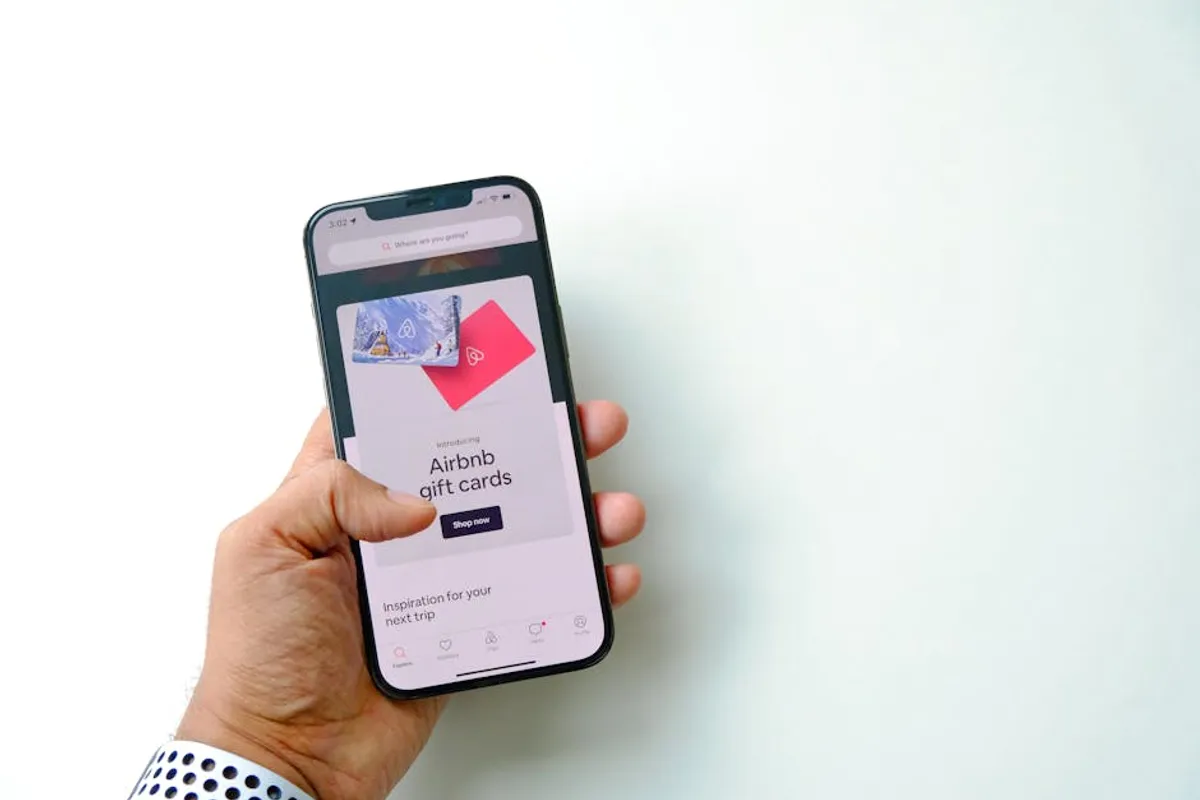
Gift cards have evolved beyond simple transactional tools, transforming into strategic assets that influence critical aspects of ecommerce operations: delivery logistics and customer retention. For online retailers, understanding this shift means recognizing gift cards not just as revenue streams, but as mechanisms to streamline operations, mitigate common pain points, and build lasting customer relationships. The implications extend from how products reach their recipients to how businesses cultivate loyalty and encourage repeat purchases, demanding a re-evaluation of their role in the broader commercial strategy.
Gift Cards as a Strategic Tool for Ecommerce Delivery
Streamlining Logistics and Reducing Returns
Gift cards offer a distinct advantage in managing the complexities of ecommerce delivery. When a physical product faces shipping delays, inventory issues, or is simply unavailable, a digital gift card can serve as an immediate, satisfactory alternative. This allows the giver to fulfill their intention promptly, preserving the celebratory moment or gesture, while the recipient gains flexibility. This immediate resolution capability directly impacts customer satisfaction, preventing frustration that often arises from logistical hiccups. Furthermore, gift cards can indirectly reduce product returns. If a gift recipient receives an item they don't want or need, the process of returning it can be cumbersome for both the customer and the retailer. However, if the initial purchase was made with a gift card, or if a gift card is offered as an alternative to a cash refund, the recipient is incentivized to exchange the item for something else within the same store. This keeps the revenue within the business and converts a potential loss into a continued sales opportunity.
Enhancing Gifting Experiences with Digital Delivery
The rise of digital gift cards directly addresses the demand for instant gratification and convenience in gifting. Unlike physical products that are subject to shipping cut-offs, transit times, and potential delivery failures, digital gift cards can be purchased and delivered electronically within minutes. This makes them an ideal solution for last-minute gifts, international gifting, or when the recipient's address is unknown. The seamless, immediate delivery of a digital gift card ensures the gifting experience is timely and stress-free. Many platforms also allow for personalization, enabling givers to add custom messages, images, or even video, elevating the emotional value of the digital delivery. This capability not only simplifies the process for the giver but also enhances the perceived value and thoughtfulness for the recipient, reinforcing a positive brand association.
Driving Customer Retention Through Gift Card Programs
The Loop of Repeat Purchases and Brand Loyalty
Gift cards are inherently designed to bring customers back. When a gift card is purchased, it represents a pre-committed future transaction. For recipients, it's an invitation to explore a brand they might not have considered, effectively acquiring a new customer at no direct marketing cost. For existing customers, receiving a gift card reinforces their connection to the brand. Critically, recipients often spend more than the face value of the card. This phenomenon, known as "spillage" or "breakage" (though breakage also refers to unspent value), means gift cards frequently drive incremental sales beyond their initial value. The need to "use up" the remaining balance encourages return visits, creating a natural loop of repeat purchases. This consistent engagement builds brand familiarity and trust, which are foundational elements of long-term customer loyalty.
Data Insights and Personalization Opportunities
Every gift card redemption provides valuable data. By tracking which products are purchased with gift cards, businesses can gain insights into recipient preferences, popular items among new customer segments, and peak redemption periods. This data is crucial for refining marketing strategies. For instance, if gift card recipients frequently purchase items from a specific category, future marketing campaigns can be tailored to highlight those products or related offerings. Furthermore, the information gathered during redemption can be used to segment customers and deliver highly personalized offers, email campaigns, and product recommendations. This level of personalization increases the relevance of communications, driving higher engagement rates and conversion, ultimately strengthening the customer relationship and encouraging further spending.
Leveraging Gift Cards for Customer Service Recovery
Gift cards are a potent tool for customer service recovery, transforming potentially negative experiences into opportunities for retention. When a customer faces an issue – such as a delayed shipment, a damaged product, or an incorrect order – offering a gift card as a gesture of apology and compensation can significantly mitigate dissatisfaction. This approach demonstrates a commitment to customer satisfaction beyond a simple refund. The gift card not only provides tangible value but also encourages the customer to give the brand another chance, effectively turning a detractor into a potential advocate. It shifts the focus from a problem to a future purchase, rebuilding trust and reinforcing the brand's dedication to its customers. This strategic use of gift cards can be more effective than a discount code, as it feels more like a genuine apology and less like a transactional promotion.
Pro Tip: Integrate your gift card program with your CRM and analytics platforms. Tracking gift card purchase origins, redemption patterns, and subsequent purchases provides critical data for understanding customer lifetime value, identifying key product affinities, and optimizing future marketing spend. This integration moves gift cards from a simple payment method to a robust data-gathering and retention mechanism.
Implementing Effective Gift Card Strategies
Key Considerations for Ecommerce Platforms
Successful gift card integration requires careful planning within an ecommerce ecosystem. First, ensure seamless integration with your existing point-of-sale (POS) and inventory management systems to prevent operational headaches and ensure accurate tracking. Offering both digital and physical card options caters to diverse customer preferences; digital for speed and convenience, physical for a more traditional gifting experience. Robust security measures are paramount to prevent fraud, including secure payment gateways and anti-fraud detection systems for card issuance and redemption. Finally, clear and concise terms and conditions for gift card usage, expiration policies (if any), and balance checks are essential for transparency and building customer trust. Ambiguity here can lead to frustration and erode goodwill.
Promoting Gift Cards for Maximum Impact
Effective promotion is key to maximizing gift card sales and their subsequent retention benefits. Prominently display gift card options on your website, particularly during holiday seasons and peak gifting periods. Utilize email marketing campaigns to remind customers about gift cards as ideal solutions for various occasions. Leverage social media platforms to showcase the convenience and benefits of gifting digital cards. Consider bundling gift cards with other products or offering small incentives for gift card purchases, such as a bonus amount for larger denominations. Seasonal promotions, such as "Buy a $100 gift card, get a $10 bonus card," can significantly boost sales and introduce new customers to your brand.
Maximizing Gift Card Value for Your Business
Gift cards are no longer merely a payment alternative; they are a dynamic component of ecommerce strategy, impacting both the logistical efficiency of delivery and the long-term health of customer relationships. By strategically deploying gift card programs, online businesses can mitigate delivery-related frustrations through instant digital options, reduce costly returns by offering flexible redemption, and cultivate a robust cycle of repeat purchases and brand loyalty. The data generated from gift card usage provides actionable insights for personalization, while their utility in service recovery transforms potential losses into renewed customer trust. Reviewing and optimizing your gift card offerings is a direct investment in operational resilience and sustainable growth.
Frequently Asked Questions
Q1: How do gift cards impact return rates in ecommerce?
A1: Gift cards can help reduce traditional return rates by offering recipients an easy way to exchange unwanted gifts for other items within the same store, rather than initiating a full refund process. This keeps revenue within the business and simplifies logistics.
Q2: Can digital gift cards truly replace physical gifts for last-minute purchases?
A2: Yes, digital gift cards are an effective replacement for physical gifts in last-minute scenarios. They offer instant delivery, bypassing shipping delays and ensuring the gift arrives on time, which is crucial for maintaining customer satisfaction during critical gifting periods.
Q3: What's the best way to promote gift cards on an ecommerce site?
A3: Promote gift cards prominently on your homepage, product pages, and during checkout. Utilize email marketing, social media campaigns, and consider seasonal promotions or bundling options to increase visibility and encourage purchases.
Q4: How do gift cards contribute to customer data collection?
A4: Gift card redemptions provide valuable data on recipient preferences, popular products, and new customer acquisition channels. This information can be integrated with CRM systems to inform targeted marketing campaigns and personalize future customer interactions.