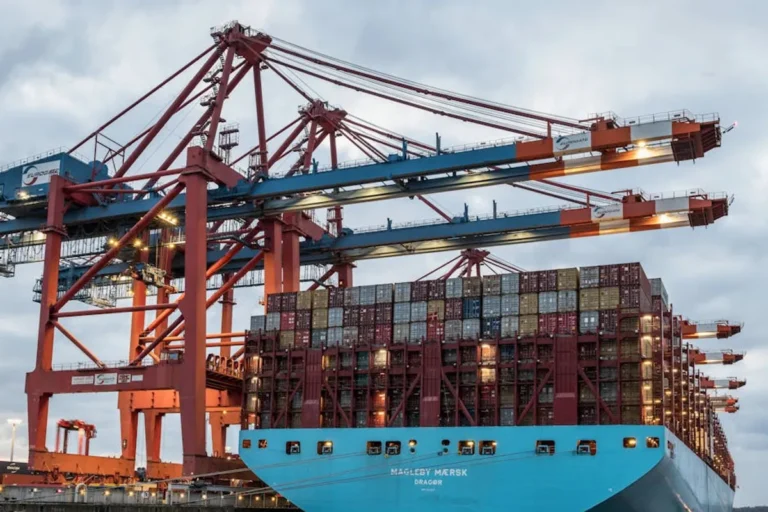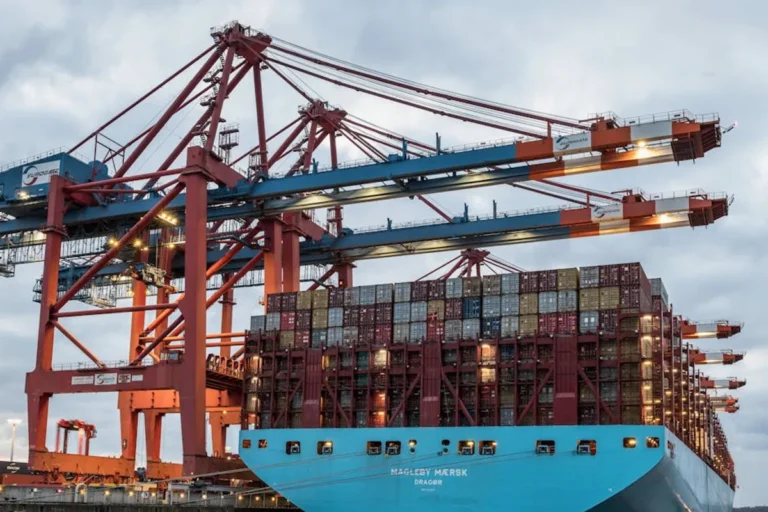
Port automation promises substantial gains for supply chain teams, from increased operational efficiency to reduced labor costs and improved safety. However, the path to achieving these benefits is often complex, fraught with potential missteps that can derail projects, inflate budgets, and even diminish productivity. For supply chain leaders contemplating or currently implementing automation, understanding and actively avoiding these common mistakes is not merely advisable; it is critical for realizing a positive return on investment and maintaining competitive advantage. The decision to automate ports represents a significant capital expenditure and strategic shift, demanding meticulous planning and execution to navigate the intricacies of technology integration, workforce adaptation, and long-term operational resilience. Understanding and addressing these issues is key to avoiding common automation mistakes and achieving success.
Underestimating Project Scope and Complexity
Many supply chain teams initiate port automation projects with an optimistic, yet often incomplete, view of the undertaking. The sheer breadth of interconnected systems, processes, and human elements involved means that a superficial assessment almost guarantees unforeseen complications.
Ignoring Legacy System Integration
Ports rarely operate in a greenfield environment. Existing terminal operating systems (TOS), enterprise resource planning (ERP) platforms, customs software, and various proprietary systems must communicate seamlessly with new automation solutions. A common mistake is to assume off-the-shelf APIs or simple data exports will suffice. In reality, integration often requires extensive custom development, data mapping, and middleware solutions to bridge disparate technologies. Failure to budget adequately for this, both in terms of time and resources, leads to significant delays, data silos, and operational inefficiencies where automated processes cannot access or feed critical information.
Neglecting Data Standardization
Automation thrives on consistent, high-quality data. Ports handle vast quantities of information from diverse sources—shipping lines, customs, truck drivers, rail operators, and internal systems. If this data is not standardized in format, nomenclature, and quality, automation systems struggle to process it effectively. For instance, inconsistent container numbering, varied unit-of-measure definitions, or incomplete shipment details can cause automated gates to malfunction, cranes to misload, or inventory systems to report inaccuracies. Rectifying these data quality issues post-implementation is far more costly and disruptive than establishing robust data governance and standardization protocols upfront.
Failing to Prioritize Human Factors
Technology alone does not drive successful automation; people do. Overlooking the human element—the very workforce that will operate, maintain, and interact with automated systems—is a prevalent and often project-crippling mistake.
Inadequate Workforce Training
Automated ports require a fundamentally different skill set than traditional manual operations. Crane operators become system supervisors, maintenance technicians need advanced robotics and software diagnostics skills, and planners must adapt to data-driven decision-making tools. A common error is providing only rudimentary, one-off training sessions. This leaves employees unprepared, fostering frustration, errors, and resistance. Comprehensive, ongoing training programs, including simulations and hands-on experience, are essential to upskill the existing workforce and ensure they are proficient in operating and troubleshooting new systems.
Overlooking Change Management
Automation frequently evokes concerns about job displacement, altered roles, and loss of control among employees. Ignoring these anxieties or failing to communicate transparently about the project's objectives and impacts can lead to significant workforce resistance, decreased morale, and even operational sabotage. Effective change management involves early and continuous engagement with employees, clear communication about new roles and opportunities, and mechanisms for feedback and participation. This proactive approach builds trust and transforms potential adversaries into project advocates.
Misaligned Technology Selection
The market offers a wide array of port automation technologies, from automated guided vehicles (AGVs) and automated stacking cranes (ASCs) to advanced software for planning and optimization. Selecting the wrong solution or one that doesn't align with long-term strategic goals is a costly error.
Opting for Off-the-Shelf Without Customization Needs
While standard automation packages offer quicker deployment, they often lack the flexibility required for a port's unique operational nuances, cargo types, or existing infrastructure. Choosing an off-the-shelf solution without a thorough assessment of specific customization requirements can lead to operational bottlenecks, workarounds, or the need for expensive, time-consuming modifications later. A detailed functional analysis should precede any technology procurement to ensure the chosen system can be adequately adapted without compromising core functionality or scalability.
Disregarding Scalability and Future Growth
Port operations are dynamic, with cargo volumes, vessel sizes, and service demands constantly evolving. Implementing an automation system that cannot scale with future growth or adapt to emerging technologies (e.g., IoT, AI-driven predictive maintenance) creates a future bottleneck. Systems chosen for their immediate cost-effectiveness but lacking modularity or an open architecture can quickly become obsolete, necessitating another costly overhaul sooner than anticipated. Prioritizing solutions with proven scalability and a clear upgrade path is a strategic imperative.
Poor Implementation and Monitoring
Even with robust planning and the right technology, flaws in the implementation and ongoing monitoring phases can undermine the entire automation effort.
Skipping Phased Rollouts
Attempting a "big bang" implementation—deploying all automation components simultaneously across the entire port—is an exceedingly risky approach. This magnifies the impact of any unforeseen issues, potentially halting operations and causing massive disruptions. A phased rollout, beginning with pilot projects in controlled environments or specific operational areas, allows teams to test, refine, and troubleshoot systems incrementally. This reduces risk, provides valuable learning, and builds confidence before wider deployment.
Lack of Performance Metrics and Feedback Loops
Without clear key performance indicators (KPIs) and a robust system for collecting and analyzing data, it is impossible to accurately assess the success of automation. Many teams fail to establish baseline metrics before implementation or neglect ongoing monitoring. This makes it difficult to identify bottlenecks, measure ROI, or make data-driven adjustments to optimize performance. Establishing specific, measurable, achievable, relevant, and time-bound (SMART) KPIs, coupled with regular reporting and feedback mechanisms, ensures continuous improvement and validates the automation investment.
Pro Tip: When planning port automation, conduct a thorough, unbiased assessment of your existing infrastructure's readiness. This includes not just hardware and software, but also data quality, network stability, and the digital literacy of your workforce. Overlooking these foundational elements guarantees downstream integration headaches and delays.
To mitigate these risks, supply chain teams should focus on:
- Comprehensive pre-implementation audits covering IT, operations, and human resources.
- Dedicated change management programs integrated throughout the project lifecycle.
- Modular, scalable technology choices that support future expansion and adaptation.
- Phased rollout strategies with clear success metrics for each stage.
- Continuous training and upskilling initiatives for all affected personnel.
Building a Resilient Automation Strategy
Successful port automation extends beyond simply installing new equipment; it involves a holistic transformation of operations, culture, and capabilities. Supply chain teams must adopt a strategic mindset that prioritizes meticulous planning, proactive risk mitigation, and continuous adaptation. By addressing the common mistakes outlined—from underestimating complexity and neglecting human factors to making poor technology choices and flawed implementations—ports can build resilient, efficient, and future-ready operations. The investment in robust planning, integration, and people-centric strategies ultimately translates into sustained operational excellence and a stronger competitive position in the global supply chain network.
Frequently Asked Questions
What is the primary benefit of port automation?
The primary benefit of port automation is a significant increase in operational efficiency, leading to faster vessel turnaround times, higher throughput, reduced labor costs, and improved safety by minimizing human exposure to hazardous environments.
How can supply chain teams mitigate integration risks in port automation?
Mitigating integration risks requires early and thorough planning, including detailed assessments of existing IT infrastructure, robust data standardization efforts, the development of flexible APIs, and a phased implementation approach that allows for testing and refinement.
What role does data play in successful port automation?
Data is foundational for successful port automation, serving as the basis for automated decision-making, predictive analytics, real-time operational visibility, and accurate performance measurement. High-quality, standardized data ensures systems operate correctly and efficiently.
How important is employee training in automation projects?
Employee training is critically important. It ensures the workforce possesses the necessary skills to operate and maintain new automated systems, reduces resistance to change, enhances safety protocols, and ultimately maximizes the utilization and return on investment of the automation technology.