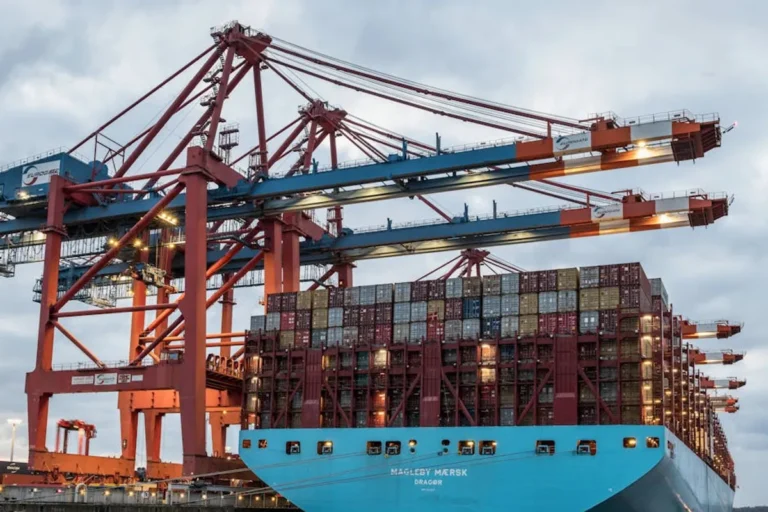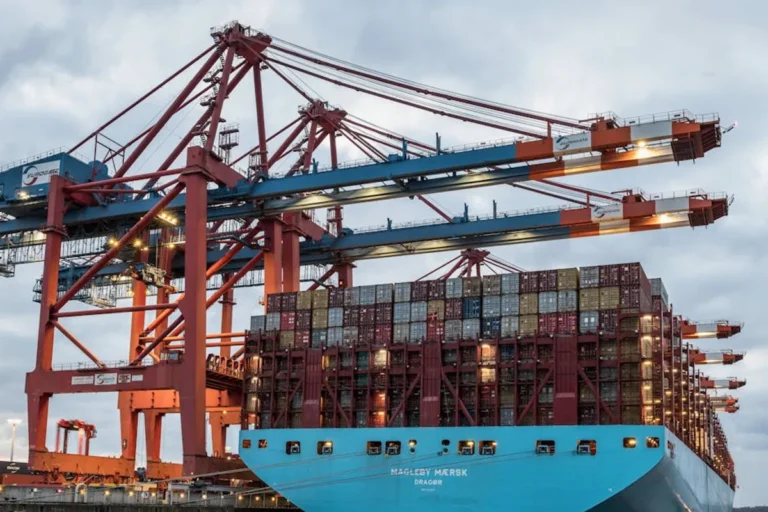
Ecommerce brands face increasing pressure to deliver faster, more reliably, and at lower costs. The journey of goods from overseas factories to customer doorsteps is complex, with port operations often representing a significant bottleneck. Delays at ports translate directly into higher demurrage fees, stockouts, missed sales opportunities, and eroded customer trust. Port automation offers a strategic solution, moving beyond manual processes and paper-based systems to enhance efficiency, reduce human error, and provide real-time visibility across the supply chain. This isn't just about installing robotic cranes; it's about integrating data, optimizing workflows, and creating a more predictable, resilient inbound logistics pipeline for your inventory.
Understanding Port Automation for Ecommerce
For ecommerce, port automation extends beyond the physical handling of containers at a terminal. It encompasses the entire digital and physical ecosystem that moves goods through a port. This includes everything from the electronic submission of customs declarations before a vessel even arrives, to the automated tracking of a container as it moves from ship to yard, and finally to the gate for onward transportation. The goal is to minimize dwell times, optimize resource allocation, and ensure that data flows seamlessly between all stakeholders: shippers, carriers, customs, terminal operators, and your own inventory management systems.
Beyond the Physical: Data Flow and Integration
True port automation for ecommerce relies heavily on robust data exchange and integration. Without accurate, real-time data, even the most advanced physical automation equipment will operate inefficiently. This means establishing electronic data interchange (EDI) connections, utilizing APIs for system-to-system communication, and leveraging cloud-based platforms that provide a unified view of cargo status. The commercial benefit is clear: improved forecasting, reduced safety stock requirements, and the ability to proactively communicate potential delays to customers, managing expectations effectively.
The Port Automation Checklist: Key Areas to Evaluate
Implementing port automation requires a systematic approach. This checklist outlines critical areas ecommerce brands should assess to identify opportunities for efficiency gains and cost reductions.
Pre-Arrival and Customs Processing Automation
Automating processes before a vessel reaches the port can significantly reduce delays and administrative burdens. This involves digitizing and integrating documentation, which accelerates clearance and minimizes human intervention.
- Electronic Manifest Submission: Ensure your logistics partners can submit cargo manifests and declarations electronically to customs and port authorities well in advance of arrival. This pre-clearance capability can shave days off processing times.
- Automated Compliance Checks: Utilize software that automatically screens shipments against import regulations, sanctions lists, and trade agreements, flagging potential issues before they become costly problems.
- Integrated Customs Brokerage: Work with brokers who leverage automated systems for duty and tax calculations, classification, and communication with government agencies, reducing manual errors and speeding up release.
Terminal Operations and Equipment Integration
Modern ports employ advanced equipment to handle cargo more efficiently. Understanding and leveraging these capabilities is crucial for faster turnaround times.
Consider:
- Automated Stacking Cranes (ASC): Check if your primary ports use ASCs for container storage and retrieval. These systems optimize yard space and reduce the time required to locate and move specific containers.
- Automated Guided Vehicles (AGVs): In some terminals, AGVs transport containers between the quay and the stacking yard. This reduces reliance on human-operated vehicles, improving consistency and speed.
- Automated Quay Cranes: Fully automated ship-to-shore cranes can unload and load vessels faster and with greater precision than manually operated ones, directly impacting vessel turnaround time.
Container Yard and Gate Management
The movement of containers within the terminal and through its gates is a frequent source of congestion. Automation here directly impacts truck turnaround times and overall flow.
Key automation points:
- Optical Character Recognition (OCR) Gates: Automated gates use OCR technology to scan container numbers, truck license plates, and driver IDs upon entry and exit, eliminating manual data entry and speeding up gate transactions.
- Automated Appointment Systems: Implement systems that allow truckers to schedule precise pickup and drop-off times, reducing queues and optimizing terminal resource allocation.
- Yard Management Systems (YMS): These systems use real-time data to optimize container placement within the yard, ensuring efficient retrieval and minimizing shunting.
Pro Tip: Prioritize data accuracy. Even the most sophisticated port automation systems are only as effective as the data they process. Inaccurate container IDs, incorrect manifest data, or mismatched booking references can halt automated workflows, leading to manual interventions and delays that negate the benefits of automation.
Warehouse and Last-Mile Synchronization
Seamless integration between port operations and your distribution network is vital for ecommerce fulfillment.
Focus on:
- Direct WMS Integration: Ensure your Warehouse Management System (WMS) receives real-time updates on incoming shipments directly from port systems or your freight forwarder's platform. This enables proactive planning for receiving and putaway.
- Automated Drayage Scheduling: Link port exit data with drayage carrier scheduling to ensure trucks are dispatched optimally, minimizing waiting times at the terminal and ensuring timely delivery to your fulfillment centers.
- Cross-Docking Optimization: For high-volume, fast-moving goods, leverage port automation data to identify opportunities for direct transfer from inbound containers to outbound trucks, bypassing warehouse storage.
Data Visibility and Predictive Analytics
Enhanced visibility is a cornerstone of effective port automation, allowing ecommerce brands to react quickly and make informed decisions.
Capabilities to seek:
- Real-time Tracking Dashboards: Access to platforms that provide granular, real-time tracking of your containers from origin to destination, including their status within the port.
- Predictive Delay Alerts: Utilize systems that employ AI and machine learning to analyze historical data and current conditions to predict potential port delays, enabling proactive re-routing or customer communication.
- Performance Metrics Reporting: Generate automated reports on key performance indicators (KPIs) such as dwell time, truck turnaround time, and customs clearance duration to continuously identify areas for improvement.
Implementing Automation: Practical Considerations
Successfully integrating port automation into your ecommerce supply chain involves strategic planning and careful execution. It's rarely an overnight transformation.
Best for: Brands with significant import volumes, tight inventory windows, or those experiencing chronic port-related delays.
A phased rollout, focusing on specific bottlenecks first, often yields better results than attempting a comprehensive overhaul simultaneously. Start with areas that offer the highest return on investment, such as automating documentation or improving gate processes. When selecting technology vendors or logistics partners, prioritize those with proven integration capabilities and a track record of working with diverse port systems. Their ability to connect disparate systems and provide a unified data view will be critical to your success.
Optimizing Your Supply Chain Through Automation
By systematically addressing the points in this checklist, ecommerce brands can move towards a more resilient, cost-effective, and transparent supply chain. Port automation is not merely a technological upgrade; it's a strategic imperative that directly impacts customer satisfaction and competitive advantage. The ability to predict, adapt, and accelerate the flow of goods through critical maritime gateways translates into reduced operational costs, fewer stockouts, and ultimately, a more reliable delivery promise to your end customers. Avoiding common port automation mistakes is critical for a smooth transition to a more resilient supply chain.
Frequently Asked Questions
What is the primary benefit of port automation for ecommerce?
The primary benefit is enhanced efficiency and predictability in the inbound supply chain, leading to reduced lead times, lower operational costs, and improved inventory management for ecommerce brands.
Is port automation only for large ecommerce businesses?
While large enterprises may implement comprehensive solutions, smaller ecommerce brands can still benefit by leveraging automated services offered by their freight forwarders, carriers, or port terminals, focusing on digital documentation and real-time tracking.
How does port automation reduce shipping costs?
It reduces costs by minimizing demurrage and detention fees, optimizing truck turnaround times, decreasing labor costs associated with manual processes, and improving inventory holding costs through better predictability.
What are the key challenges in implementing port automation?
Key challenges include the high initial investment in technology, the complexity of integrating diverse systems across multiple stakeholders, ensuring data accuracy, and managing the change process within existing operational workflows.