Businesses navigating international trade often encounter the terms "ocean freight" and "container shipping" used interchangeably. While both involve transporting goods across the sea, they represent distinct service scopes and logistical approaches. Understanding these differences is crucial for optimizing supply chains, managing costs, and ensuring cargo integrity. The choice between them directly impacts how goods are handled, the types of cargo accommodated, and the overall efficiency of the shipping process from origin to final destination. Understanding these differences is crucial for optimizing supply chains and recognizing why ocean freight matters for reliable global trade.
Defining Ocean Freight
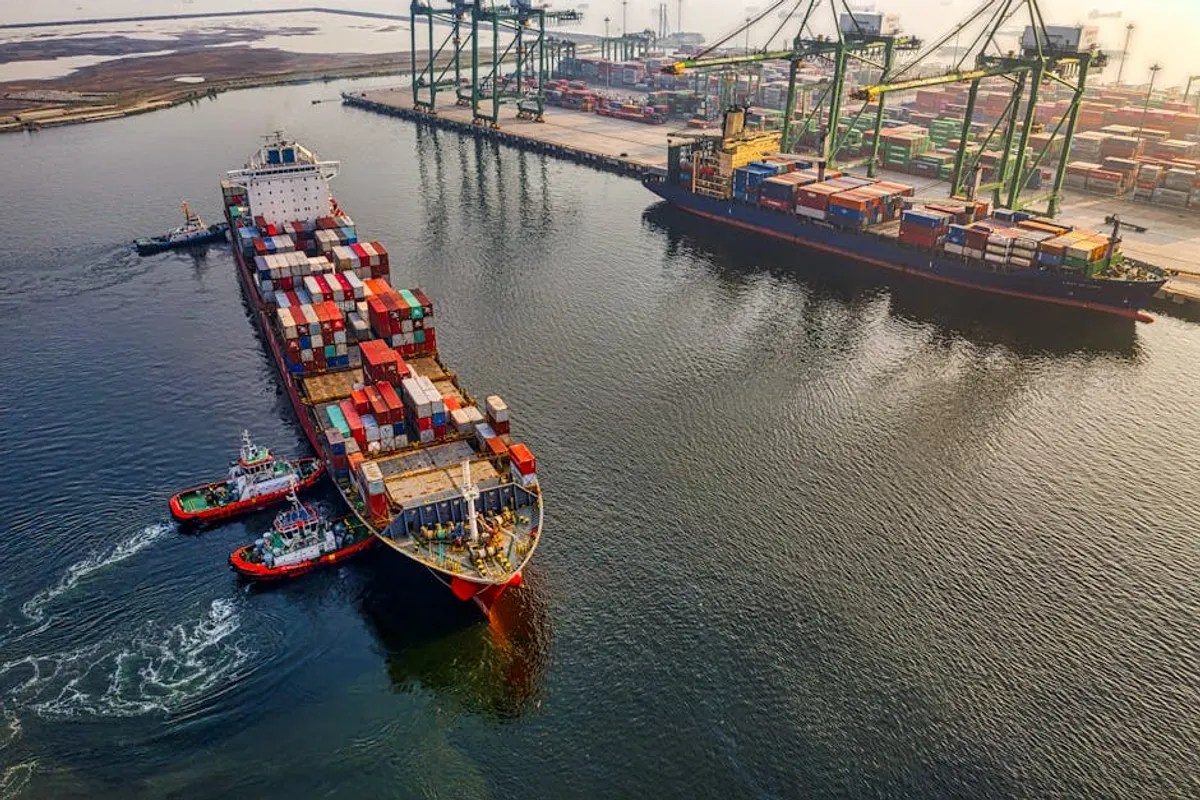
Ocean freight refers to the broad method of transporting large quantities of goods by sea. This encompasses a wide array of vessel types and cargo handling methods beyond just containers. It covers everything from bulk commodities like oil, grain, or ore, transported in tankers or bulk carriers, to oversized project cargo moved on specialized heavy-lift vessels or roll-on/roll-off (RoRo) ships for vehicles. The core characteristic of ocean freight is its capacity to move virtually any type of cargo across oceans, often involving complex port operations and specialized equipment.
Key characteristics:
- Versatility: Accommodates diverse cargo types, including liquid bulk, dry bulk, break-bulk, and project cargo that cannot fit into standard containers.
- Specialized Handling: Often requires custom loading and unloading procedures, especially for oversized or non-standard goods.
- Broader Scope: Refers to the entire process of sea transport, including vessel chartering, port-to-port movement, and associated documentation for various cargo forms.
Defining Container Shipping
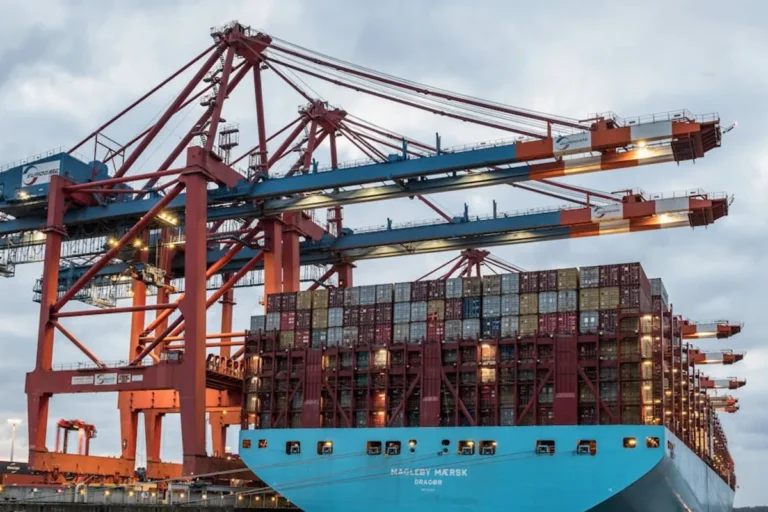
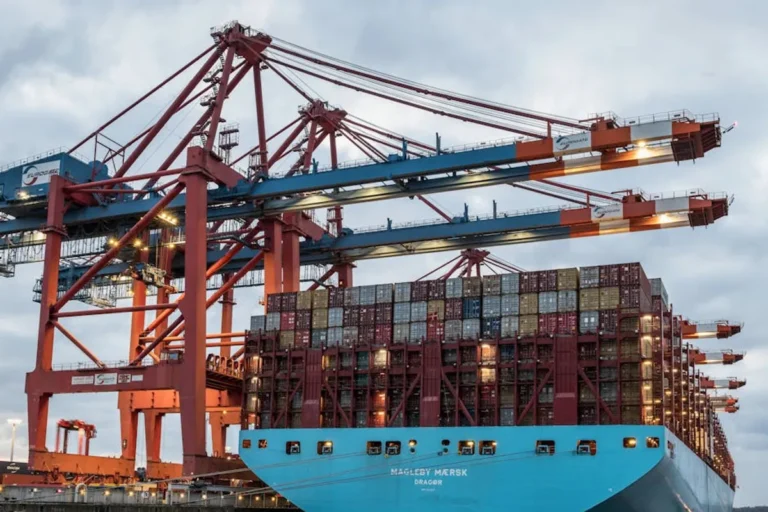
Container shipping is a specific, standardized method of ocean freight that utilizes intermodal containers for cargo transport. These containers, typically 20-foot equivalent units (TEU) or 40-foot equivalent units (FEU), are designed for seamless transfer between ships, trains, and trucks. This standardization revolutionized global trade by enabling efficient, secure, and trackable movement of manufactured goods and consumer products. It represents a highly optimized system within the broader ocean freight category.
Key characteristics:
- Standardization: Relies on uniform container sizes, facilitating automated handling and stacking.
- Intermodal Efficiency: Designed for easy transfer across different modes of transport without cargo re-handling.
- Security and Tracking: Containers are sealed, offering enhanced security and simplified tracking throughout the journey.
- Cargo Type: Primarily suited for packaged, manufactured, or semi-finished goods that fit within container dimensions.
Key Differences: Scope and Flexibility
The primary distinction lies in their scope and the flexibility they offer for different cargo types.
Ocean Freight: The Comprehensive Approach
Ocean freight, in its broader sense, is the go-to for cargo that doesn't fit standard container dimensions or requires specialized handling. This includes:
- Bulk Cargo: Raw materials like coal, iron ore, grains, and crude oil, which are loaded directly into the ship's holds.
- Break-Bulk Cargo: Goods packaged in individual units (e.g., drums, crates, bags) but not containerized, requiring manual loading and unloading.
- Project Cargo: Extremely large, heavy, or complex components for industrial projects, often requiring customized vessels and intricate logistics planning.
- RoRo (Roll-on/Roll-off): Vehicles and heavy equipment driven directly onto and off the vessel.
This method offers maximum flexibility for unusual shipments but often involves more complex logistics, higher handling costs, and potentially longer transit times due to specialized port calls.
Container Shipping: The Standardized Solution
Container shipping focuses on efficiency, security, and predictability for unitized cargo. It is ideal for:
- Manufactured Goods: Electronics, textiles, machinery parts, furniture, and consumer products.
- Perishables: Refrigerated containers (reefers) transport temperature-sensitive goods like food and pharmaceuticals.
- Hazardous Materials: Specialized containers and stringent regulations allow for the safe transport of certain dangerous goods.
The standardization of containers streamlines port operations, reduces cargo damage and theft, and enables precise scheduling. For most businesses dealing with finished products, container shipping provides a cost-effective and reliable solution.
Cost Structure and Operational Efficiency
The cost implications and operational efficiency also diverge significantly between the two.
Ocean Freight Costing
For non-containerized ocean freight, costs are highly variable. They depend on the cargo's weight, volume, specific handling requirements, the type of vessel needed, and port charges. Chartering an entire vessel for bulk or project cargo involves significant upfront costs, but can be economical for extremely large volumes. Break-bulk cargo often incurs higher labor costs due to manual handling at ports.
Container Shipping Costing
Container shipping offers more predictable pricing, typically quoted per container (FCL - Full Container Load) or per cubic meter/weight (LCL - Less than Container Load). The economies of scale associated with containerization, coupled with efficient automated handling, generally result in lower per-unit transportation costs for suitable goods. LCL options allow smaller businesses to leverage container benefits without filling an entire unit, though this involves consolidation and deconsolidation fees.
Pro Tip: When evaluating shipping options, always obtain detailed quotes that itemize all charges, including terminal handling, drayage, customs clearance, and any specialized equipment fees. A seemingly lower base rate for ocean freight might hide significant additional costs for non-containerized cargo due to manual handling or unique port requirements.
Optimizing Your Global Logistics
Choosing between the broader "ocean freight" services and the specific "container shipping" method hinges on a clear understanding of your cargo, volume, budget, and logistical priorities. For most businesses exporting or importing manufactured goods, container shipping offers the optimal balance of cost-efficiency, security, and speed. Its intermodal capabilities streamline the entire supply chain from factory to warehouse.
However, for specialized industries dealing with raw materials, oversized components, or vehicles, the flexibility of traditional ocean freight services remains indispensable. Engaging with experienced freight forwarders who can assess your specific needs and navigate the complexities of international maritime regulations is critical, regardless of the chosen method. They can advise on optimal routes, vessel types, and documentation requirements, ensuring compliance and efficiency.
Frequently Asked Questions
Is container shipping always cheaper than other forms of ocean freight?
For most manufactured goods, container shipping is generally more cost-effective due to standardization, economies of scale, and reduced handling. However, for extremely large volumes of bulk commodities or highly specialized project cargo, chartering a dedicated vessel through broader ocean freight services can be more economical.
What is the difference between FCL and LCL in container shipping?
FCL (Full Container Load) means your cargo occupies an entire container, even if it doesn't completely fill it. LCL (Less than Container Load) means your cargo shares container space with other shippers' goods, and you pay only for the space your cargo occupies. FCL is typically faster and experiences less handling, while LCL is more economical for smaller shipments.
Do I need a freight forwarder for ocean freight?
While not strictly mandatory, engaging a freight forwarder is highly recommended for both ocean freight and container shipping. They handle complex documentation, customs clearance, port logistics, and carrier negotiations, significantly simplifying the process and often saving time and money for businesses, especially those new to international shipping.
What are the primary documents required for international ocean shipping?
Key documents typically include the Bill of Lading (the contract between the shipper and carrier), commercial invoice, packing list, customs declaration, and potentially a certificate of origin or other permits depending on the cargo and destination country. A freight forwarder can assist in preparing and managing these.