Last-mile delivery, the final leg of a product's journey from a distribution center to the customer's doorstep, represents a critical juncture for businesses. It directly impacts customer satisfaction, brand reputation, and operational costs. As consumer expectations for speed, transparency, and convenience continue to escalate, understanding and integrating emerging trends in this space is no longer optional but essential for competitive survival and growth. Businesses that proactively adapt to these shifts can significantly reduce delivery expenses, improve service reliability, and cultivate stronger customer loyalty.
Automation and Robotics in Delivery Operations
The integration of automation and robotics is transforming last-mile delivery by addressing labor shortages, increasing efficiency, and enabling faster service. This trend encompasses a range of technologies, from autonomous vehicles to robotic sorting systems.
Autonomous Ground Vehicles and Drones
Autonomous ground vehicles (AGVs) and drones are being deployed for specific delivery scenarios. AGVs, often small, sidewalk-roaming robots, handle short-distance deliveries in urban and suburban environments, reducing the need for human couriers in congested areas. Drones, while facing more regulatory hurdles, offer potential for rapid air delivery of lightweight packages in less dense regions, bypassing traffic entirely. Their value lies in their ability to operate continuously and precisely, minimizing human error and operational overhead once scaled.
Automated Warehousing and Micro-Fulfillment
Beyond the actual delivery, automation within micro-fulfillment centers (MFCs) significantly impacts last-mile efficiency. Robotic picking and packing systems accelerate order preparation, ensuring packages are ready for dispatch in minutes rather than hours. This speed directly translates to shorter delivery windows and increased throughput, making same-day or even hourly deliveries feasible. The precision of these systems also reduces errors, preventing costly redeliveries.
Hyper-Personalization and Enhanced Customer Experience
Modern consumers demand more than just timely delivery; they expect control, transparency, and flexibility. Last-mile trends are heavily focused on meeting these heightened expectations through personalized service and seamless communication.
Real-Time Tracking and Dynamic Adjustments
Providing customers with precise, real-time tracking capabilities is now standard. Beyond a simple map, this includes estimated time of arrival (ETA) updates that dynamically adjust for traffic or unforeseen delays. Some systems allow customers to communicate directly with drivers or reroute packages to alternative addresses or pickup points mid-transit. This level of control reduces missed deliveries and enhances the overall customer experience by empowering the recipient.
Flexible Delivery Options
Offering a range of delivery choices—such as scheduled windows, unattended delivery, in-store pickup, or locker delivery—caters to diverse customer needs. This flexibility is crucial for reducing failed delivery attempts, which are a significant cost driver in last-mile logistics. Providing options like "leave at door" with photo confirmation or secure parcel locker integration improves convenience and security for both the customer and the delivery provider.
Sustainability and Green Logistics
Environmental concerns and regulatory pressures are driving a significant shift towards more sustainable last-mile operations. This trend focuses on reducing carbon footprints and minimizing waste throughout the delivery process.
Electric Vehicle Fleets and Alternative Transport
The transition to electric vehicles (EVs) for delivery fleets is gaining momentum. Electric vans, cargo e-bikes, and even pedestrian couriers for dense urban areas reduce emissions and noise pollution. While initial investment can be higher, lower operating costs (fuel, maintenance) and positive brand perception often offset these.
- Electric vans for urban and suburban routes, offering reduced operational costs and zero tailpipe emissions.
- Cargo e-bikes for dense city centers, navigating traffic efficiently and accessing pedestrian zones.
- Autonomous electric delivery robots for short-range drops, ideal for campus or neighborhood deliveries.
Optimized Route Planning and Eco-Friendly Packaging
Advanced route optimization software minimizes mileage, fuel consumption, and vehicle wear-and-tear. These systems consider traffic, delivery windows, and vehicle capacity to create the most efficient paths. Concurrently, businesses are adopting sustainable packaging materials, reducing plastic use, and implementing reusable packaging programs to lessen environmental impact and appeal to eco-conscious consumers.
Crowdsourced and Gig Economy Models
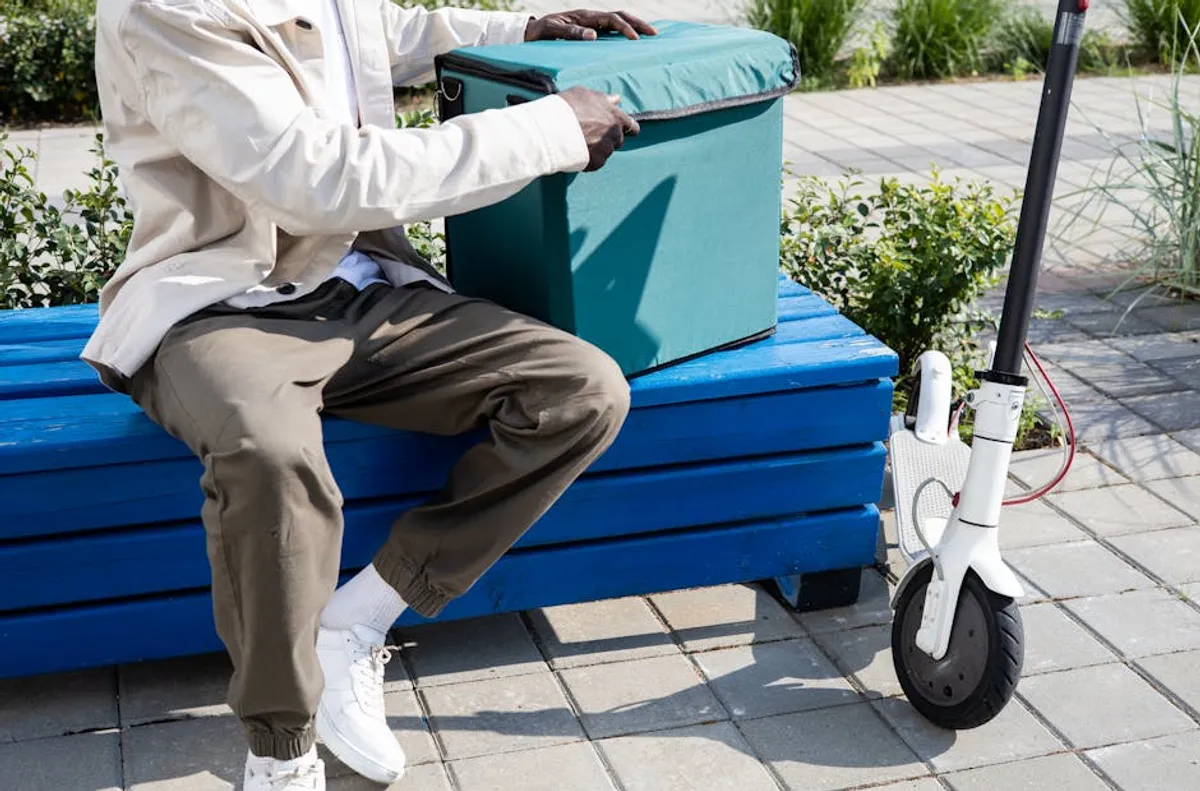
The rise of the gig economy has provided a flexible and scalable solution for last-mile delivery, particularly for on-demand and urgent shipments. This model leverages a network of independent contractors to fulfill deliveries.
Best for: Businesses experiencing fluctuating demand, requiring rapid scaling, or needing hyper-local delivery capabilities.
The primary advantage of crowdsourcing is its elasticity. Businesses can quickly scale up or down their delivery capacity based on real-time demand without incurring fixed labor costs. This model is particularly effective for same-day delivery services, food delivery, and local e-commerce, where speed and geographical reach are paramount. It also allows for greater geographical coverage, as drivers can be activated in specific areas as needed.
Data Analytics and AI Optimization
Data is the backbone of modern logistics, and artificial intelligence (AI) is transforming how this data is used to optimize last-mile operations. AI-driven insights enhance efficiency, reduce costs, and improve predictability.
Predictive Analytics for Demand Forecasting
AI algorithms analyze historical data, real-time traffic, weather patterns, and even social media trends to predict demand fluctuations. This allows businesses to proactively allocate resources, optimize inventory levels in local hubs, and pre-position delivery vehicles, minimizing delays and ensuring sufficient capacity during peak periods.
Dynamic Route Optimization and Resource Allocation
Traditional route planning is static; AI-powered systems offer dynamic optimization. They continuously adjust routes in real-time based on new orders, cancellations, traffic incidents, and driver availability. This capability significantly reduces fuel consumption, driver hours, and delivery times. AI also optimizes fleet utilization and driver scheduling, ensuring that the right resources are deployed at the right time and place.
Pro Tip: Implement a robust data collection strategy across all delivery touchpoints, from order placement to final delivery confirmation. Leveraging this data with AI-powered analytics can uncover hidden inefficiencies in your last-mile process, enabling precise, data-driven adjustments that yield measurable cost savings and service improvements.
Strategic Adaptation for Last-Mile Success
The last-mile landscape is evolving rapidly, driven by technological advancements and shifting consumer expectations. Businesses that integrate these trends strategically will gain a distinct competitive advantage. Success hinges on a holistic approach, combining automation for efficiency, personalization for customer loyalty, sustainability for brand value, and data for intelligent decision-making. Investing in these areas is not merely about keeping pace but about shaping the future of delivery, ensuring resilience, and driving profitability in an increasingly demanding market.
Frequently Asked Questions
What defines last-mile delivery?
Last-mile delivery refers to the final step of the delivery process, where a package is transported from a transportation hub or distribution center to its final destination, typically the customer's home or business. It is often the most complex and expensive part of the supply chain.
Why is last-mile delivery considered so challenging?
Last-mile delivery faces challenges including traffic congestion, diverse delivery locations, high customer expectations for speed and flexibility, labor costs, fuel expenses, and the need for efficient route optimization across varied urban and rural environments.
How do these last-mile trends impact delivery costs?
While some trends like automation and EV fleets involve initial investment, they typically lead to reduced operational costs over time through improved efficiency, lower fuel consumption, fewer failed deliveries, and optimized labor allocation. Data analytics further reduces costs by minimizing inefficiencies.
What role does customer experience play in last-mile delivery trends?
Customer experience is central to last-mile trends, driving innovations in real-time tracking, flexible delivery options, and transparent communication. Enhanced customer experience through these means directly contributes to satisfaction, repeat business, and positive brand perception.