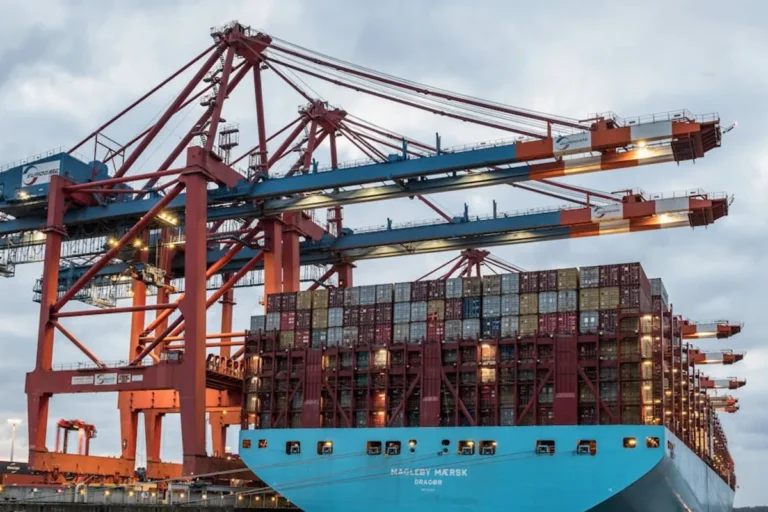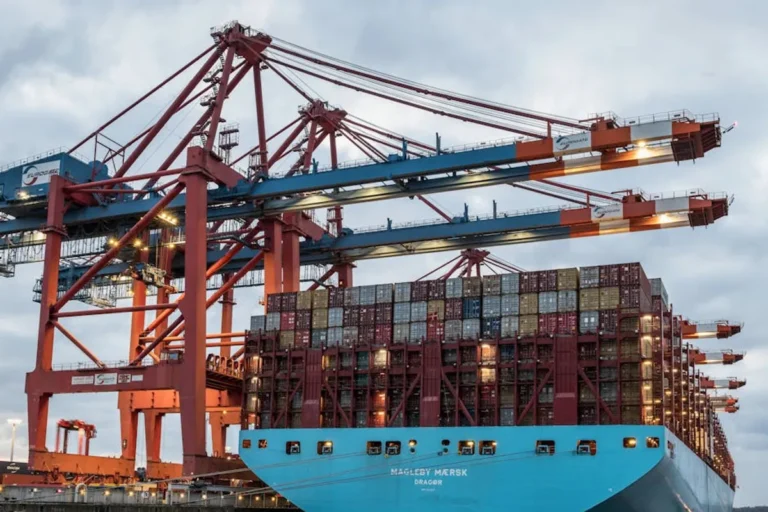
Supply chain visibility, once a fragmented and often reactive process, is undergoing a fundamental transformation driven by technological innovation. Businesses historically grappled with opaque operations, relying on infrequent updates and manual reconciliation, leading to costly delays, inventory discrepancies, and limited responsiveness to market shifts. Today, the imperative is clear: gain granular, real-time insight into every stage of product movement, from raw materials to final delivery. This shift isn't merely about tracking; it's about leveraging interconnected systems to anticipate disruptions, optimize resource allocation, and ultimately enhance customer satisfaction while reducing operational overhead. Understanding the benefits of improved tracking reveals why supply chain visibility matters for creating more resilient operations.
The Foundation: Real-Time Data Acquisition
Modern supply chain visibility begins with the ability to capture and transmit data continuously from physical assets. This capability is primarily enabled by the Internet of Things (IoT), a network of interconnected physical objects embedded with sensors, software, and other technologies for the purpose of connecting and exchanging data with other devices and systems over the internet.
- Sensor Technology: Miniaturized sensors attached to products, pallets, vehicles, and warehouse infrastructure collect data on location, temperature, humidity, shock, and other environmental factors. This provides objective, granular information often unavailable through traditional manual checks.
- RFID (Radio-Frequency Identification): RFID tags offer automated identification and tracking of goods without direct line-of-sight scanning. This accelerates inventory counts, reduces human error in receiving and shipping, and enables faster throughput in distribution centers.
- GPS and Telematics: Integrated into fleet vehicles and containers, GPS provides precise location data, while telematics systems gather operational data such as speed, fuel consumption, and engine diagnostics. This enables real-time route optimization, estimated time of arrival (ETA) accuracy, and proactive maintenance scheduling for transport assets.
These technologies convert physical movements and conditions into digital data streams, forming the bedrock for subsequent analysis and decision-making.
Predictive Power: AI and Machine Learning
Raw data from IoT devices gains significant commercial value when processed and interpreted by Artificial Intelligence (AI) and Machine Learning (ML) algorithms. These technologies move visibility beyond mere reporting to predictive and prescriptive capabilities.
Anticipating Disruptions and Demand
AI models analyze vast datasets, including historical performance, real-time sensor data, weather patterns, geopolitical events, and social media trends, to identify potential disruptions before they occur. This includes predicting:
- Demand Fluctuations: ML algorithms analyze past sales, promotional activities, and external market indicators to forecast future demand with greater accuracy, minimizing overstocking or stockouts.
- Logistics Delays: By correlating traffic data, weather forecasts, and historical delivery times, AI can predict potential shipping delays, allowing for alternative routing or proactive communication with affected parties.
- Equipment Failures: Predictive maintenance algorithms analyze telematics data from machinery (e.g., trucks, forklifts) to anticipate component failures, scheduling maintenance before breakdowns occur and preventing costly operational halts.
This predictive layer transforms reactive problem-solving into proactive risk management, allowing businesses to adapt rather than simply respond.
Ensuring Trust: Blockchain for Data Integrity
As supply chains become more complex and data-rich, ensuring the integrity and immutability of information becomes critical. Blockchain technology offers a decentralized, distributed ledger that can record transactions securely and transparently.
Each "block" of data (e.g., a product's origin, quality inspection, transfer of ownership) is cryptographically linked to the previous one, forming an unchangeable chain. This provides a verifiable audit trail for every product and transaction within the supply chain. For businesses, this means:
- Enhanced Traceability: Rapidly trace products back to their source, crucial for quality control, recalls, and compliance with regulatory standards.
- Reduced Fraud: The immutable nature of blockchain records makes it difficult to falsify data regarding product authenticity, ethical sourcing, or compliance certifications.
- Improved Collaboration: All authorized participants in a supply chain share access to the same, consistent data ledger, fostering trust and reducing disputes among partners who may not otherwise share systems.
Pro Tip: The effectiveness of any advanced supply chain technology hinges on the quality and standardization of the data it consumes. Inaccurate or fragmented data will lead to flawed insights, regardless of the sophistication of the system. Prioritize data governance and integration strategies before implementing complex AI or blockchain solutions.
Connected Ecosystems: Cloud and Digital Twins
The sheer volume of data generated by modern supply chains necessitates robust infrastructure. Cloud computing provides scalable, on-demand resources for data storage, processing, and application hosting, making advanced visibility solutions accessible without massive upfront IT investments.
Building on this, the concept of a digital twin offers a virtual replica of a physical supply chain, product, or process. This dynamic digital model is continuously updated with real-time data from its physical counterpart (via IoT sensors) and can be used for:
- Simulation and Optimization: Test hypothetical scenarios (e.g., changes in routing, warehouse layout, or inventory policies) in the digital environment to predict outcomes and optimize strategies before implementing them in the real world.
- Performance Monitoring: Visualize the real-time status and performance of the entire supply chain, identifying bottlenecks or underperforming assets.
- Predictive Analysis: Combine with AI/ML to predict future states and recommend actions, such as rerouting shipments to avoid predicted congestion or adjusting production schedules based on raw material availability.
Digital twins transform visibility from a static report into an interactive, predictive operational tool.
Operationalizing Enhanced Visibility
The integration of these technologies culminates in a supply chain that is not only visible but also intelligent and agile. Businesses leverage this enhanced visibility to:
- Optimize Inventory: Reduce safety stock levels by knowing exactly where inventory is and when it will arrive, freeing up capital and reducing carrying costs.
- Improve Customer Experience: Provide accurate, real-time order tracking and delivery estimates, enhancing transparency and satisfaction.
- Strengthen Risk Management: Identify and mitigate potential disruptions proactively, building resilience against unforeseen events like natural disasters or geopolitical shifts.
- Drive Sustainability: Track environmental impact more accurately by monitoring energy consumption, waste generation, and emissions across the supply chain, supporting corporate sustainability goals.
The move from static data points to dynamic, interconnected intelligence is redefining operational efficiency and competitive advantage.
Frequently Asked Questions
What is supply chain visibility?
Supply chain visibility refers to the ability to track products, components, and information flow across the entire supply chain, from raw material sourcing to final delivery, providing real-time data on location, status, and condition.
How does IoT specifically improve supply chain visibility?
IoT devices like sensors, RFID tags, and GPS trackers collect real-time data on physical assets, providing granular insights into location, environmental conditions, and movement, which eliminates blind spots and enables continuous monitoring of goods in transit or storage.
What are the primary commercial benefits of enhanced supply chain visibility?
Enhanced visibility leads to reduced operational costs through optimized inventory and logistics, improved customer satisfaction via accurate tracking, better decision-making with predictive analytics, and increased resilience against disruptions.
How does blockchain contribute to supply chain transparency?
Blockchain creates an immutable, distributed ledger that securely records every transaction and event in the supply chain, ensuring data integrity, preventing fraud, and providing a verifiable audit trail for product origin and journey.