The imperative for green shipping in modern global trade is no longer a peripheral concern but a central operational and strategic pillar. Businesses navigating complex supply chains face increasing pressure from regulators, consumers, and investors to demonstrate verifiable commitments to environmental sustainability. This shift translates directly into commercial decisions, affecting carrier selection, route optimization, and long-term infrastructure investments. Understanding how green shipping works involves dissecting the technologies, operational shifts, and policy frameworks that define sustainable maritime logistics, moving beyond abstract goals to concrete, actionable strategies for reducing environmental impact while maintaining competitive efficiency.
Drivers and Imperatives for Sustainable Logistics
The adoption of green shipping practices is propelled by a confluence of external pressures and internal strategic advantages. These drivers shape the operational landscape for carriers and shippers alike, dictating compliance requirements and influencing market perception.
Regulatory Frameworks and Compliance
International and regional bodies are enacting stricter emissions standards, compelling the maritime industry to decarbonize. The International Maritime Organization (IMO) has introduced measures like the IMO 2020 sulfur cap and is developing further strategies to reduce greenhouse gas emissions by 2050. Regionally, the European Union's Emissions Trading System (EU ETS) now includes shipping, imposing carbon costs on voyages to and from EU ports. These regulations directly impact operational costs and necessitate investments in cleaner technologies or alternative fuels to avoid penalties and maintain market access.
Consumer and Investor Demand
Modern consumers increasingly prioritize sustainability, influencing purchasing decisions and brand loyalty. For businesses involved in global trade, this translates into a demand for transparent, environmentally responsible supply chains. Investors, particularly those focused on Environmental, Social, and Governance (ESG) criteria, scrutinize companies' sustainability performance. Strong ESG ratings can attract capital, lower borrowing costs, and enhance brand reputation, making green shipping a critical component of a company's overall sustainability narrative and financial health.
Operational Efficiencies and Cost Savings
While often viewed as an additional cost, many green shipping initiatives yield long-term operational efficiencies. Fuel optimization techniques, such as slow steaming and optimized route planning, directly reduce bunker fuel consumption and associated emissions, leading to significant cost savings. Investments in energy-efficient vessel designs or port electrification can lower operational expenditures over the lifespan of assets, providing a commercial incentive beyond mere compliance.
Core Technologies and Practices in Green Shipping
The practical application of green shipping involves a range of technological advancements and operational shifts designed to minimize environmental footprint across the maritime supply chain.
Alternative Fuels and Propulsion Systems
The transition away from heavy fuel oil (HFO) is central to decarbonization. Options include:
- Liquefied Natural Gas (LNG): Reduces sulfur oxides (SOx), nitrogen oxides (NOx), and particulate matter, with moderate CO2 reductions.
- Methanol and Ammonia: Considered promising carbon-neutral fuels when produced from renewable sources, though requiring significant infrastructure development and handling considerations.
- Biofuels: Drop-in solutions that can reduce emissions, but scalability and sustainability of feedstock remain challenges.
- Electric and Hybrid Systems: Primarily for short-sea shipping and port operations, offering zero emissions at the point of use.
- Wind-Assisted Propulsion: Technologies like rotor sails and kites harness wind power to supplement engine propulsion, reducing fuel consumption.
Vessel Design Optimization
Shipbuilders are integrating advanced design principles to enhance energy efficiency. This includes optimizing hull forms for reduced hydrodynamic resistance, using lightweight materials to decrease vessel weight, and improving propeller efficiency. Technologies like air lubrication systems, which create a carpet of micro-bubbles under the hull, also reduce friction and fuel consumption.
Port Operations and Infrastructure
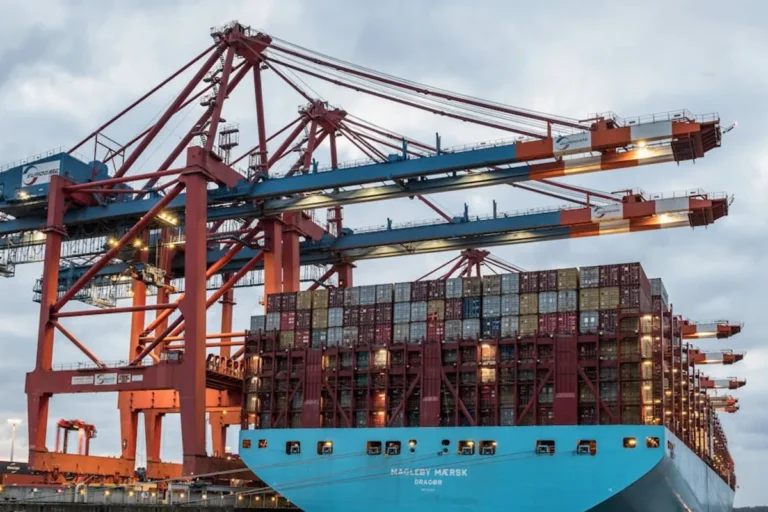
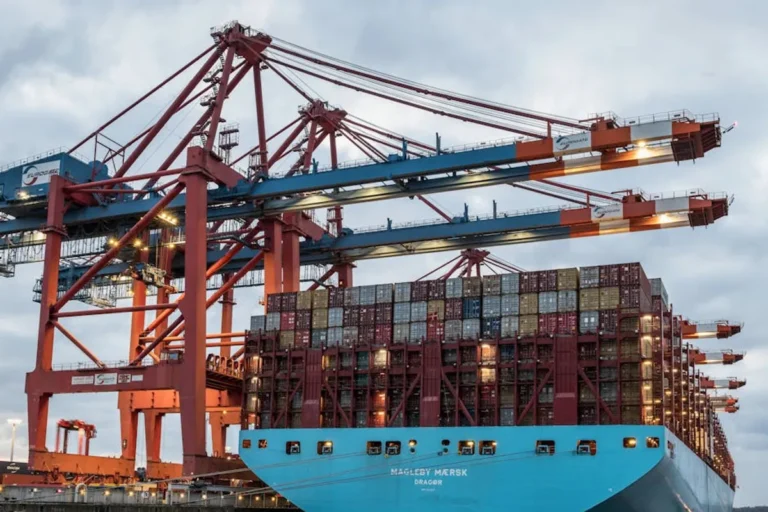
Ports are critical nodes in the green shipping ecosystem. Initiatives include:
- Cold Ironing (Shore Power): Allows vessels to plug into the port's electrical grid while docked, eliminating emissions from auxiliary engines.
- Electrification of Equipment: Replacing diesel-powered cranes, forklifts, and trucks with electric alternatives within port terminals.
- Digital Port Management: Optimizing vessel traffic, berth allocation, and cargo handling through digital platforms to reduce idling times and improve operational flow.
Supply Chain Visibility and Optimization
Enhanced data analytics and real-time tracking platforms enable shippers and carriers to optimize entire supply chains. This includes dynamic route optimization to avoid adverse weather or congested areas, multimodal transport integration to leverage the most efficient transport modes, and improved cargo consolidation to maximize vessel utilization, all contributing to lower per-unit emissions.
Pro Tip: Achieving genuine green shipping benefits requires a holistic data strategy. Focus on accurate, verifiable data collection for fuel consumption, emissions, and operational parameters across the entire supply chain. Without robust data, identifying efficiency gains and demonstrating compliance becomes speculative, undermining both environmental claims and commercial advantages.
Navigating the Transition to Sustainable Maritime Logistics
Implementing green shipping strategies demands a clear understanding of current capabilities, available technologies, and future regulatory trajectories. Businesses must assess their existing supply chain footprint and identify opportunities for immediate and long-term improvements.
Key areas for action include:
- Carrier Selection: Prioritizing shipping lines that invest in modern, fuel-efficient fleets, utilize alternative fuels, and demonstrate transparent emissions reporting.
- Route and Network Optimization: Leveraging advanced logistics software to plan the most efficient routes, minimize empty miles, and optimize cargo loads.
- Data-Driven Performance Monitoring: Establishing robust systems to track and analyze emissions data, fuel consumption, and operational efficiency metrics to benchmark progress and identify areas for further improvement.
- Collaboration and Partnerships: Engaging with industry consortia, technology providers, and port authorities to share best practices, pilot new technologies, and influence policy development.
- Investment in Sustainable Infrastructure: For larger players, considering investments in green fleet upgrades, shore power capabilities, or sustainable warehousing solutions.
The transition to green shipping is an ongoing journey, not a singular destination. It requires continuous adaptation, technological integration, and a commitment to transparency. Companies that proactively embrace these changes will not only meet regulatory demands but also build more resilient, efficient, and reputationally strong supply chains in the evolving landscape of global trade.
Frequently Asked Questions
What is green shipping?
Green shipping refers to the practice of reducing the environmental impact of maritime transport through the adoption of cleaner fuels, energy-efficient vessel designs, optimized operational practices, and sustainable port infrastructure. The primary goal is to lower greenhouse gas emissions, air pollutants, and waste generation.
How does green shipping reduce operational costs?
Green shipping can reduce operational costs by minimizing fuel consumption through slow steaming, optimized routes, and energy-efficient vessel designs. Additionally, investing in technologies like shore power can lower auxiliary engine fuel use in port, and improved supply chain visibility can reduce inefficiencies and associated expenses.
What are the biggest challenges in adopting green shipping?
Key challenges include the high upfront investment costs for new technologies and alternative fuel infrastructure, the availability and scalability of sustainable fuels, regulatory complexities across different regions, and the need for significant industry-wide collaboration and standardization.
How can businesses start implementing green shipping practices?
Businesses can begin by assessing their current supply chain emissions, prioritizing carriers with strong sustainability credentials, optimizing logistics through route planning software, exploring multimodal transport options, and investing in data analytics to monitor and improve environmental performance.