Navigating the complexities of modern global trade requires more than just moving goods from point A to point B. Businesses engaged in international commerce face a labyrinth of regulations, logistical challenges, and documentation requirements that can significantly impact operational efficiency and profitability. Freight forwarding emerges as a critical solution, acting as an intermediary that orchestrates the entire shipping process on behalf of importers and exporters. Understanding how these specialized logistics providers operate is essential for any business aiming to optimize its global supply chain, minimize risks, and ensure timely, compliant delivery of goods across borders.
The Core Function of Freight Forwarding in Global Trade
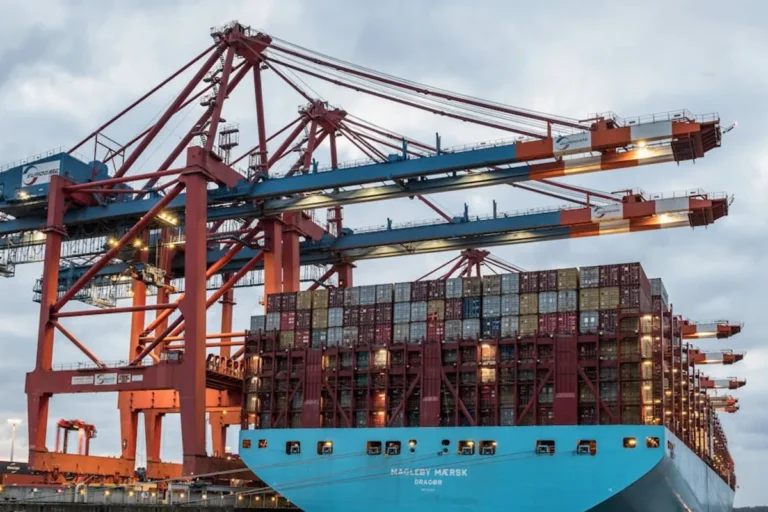
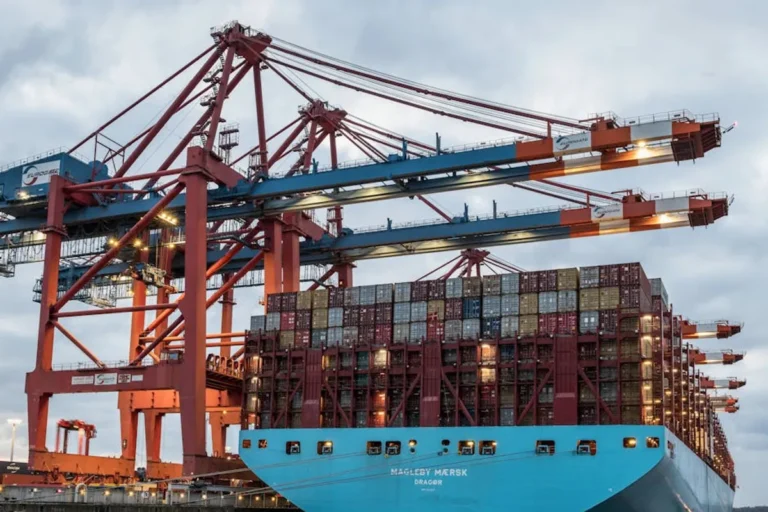
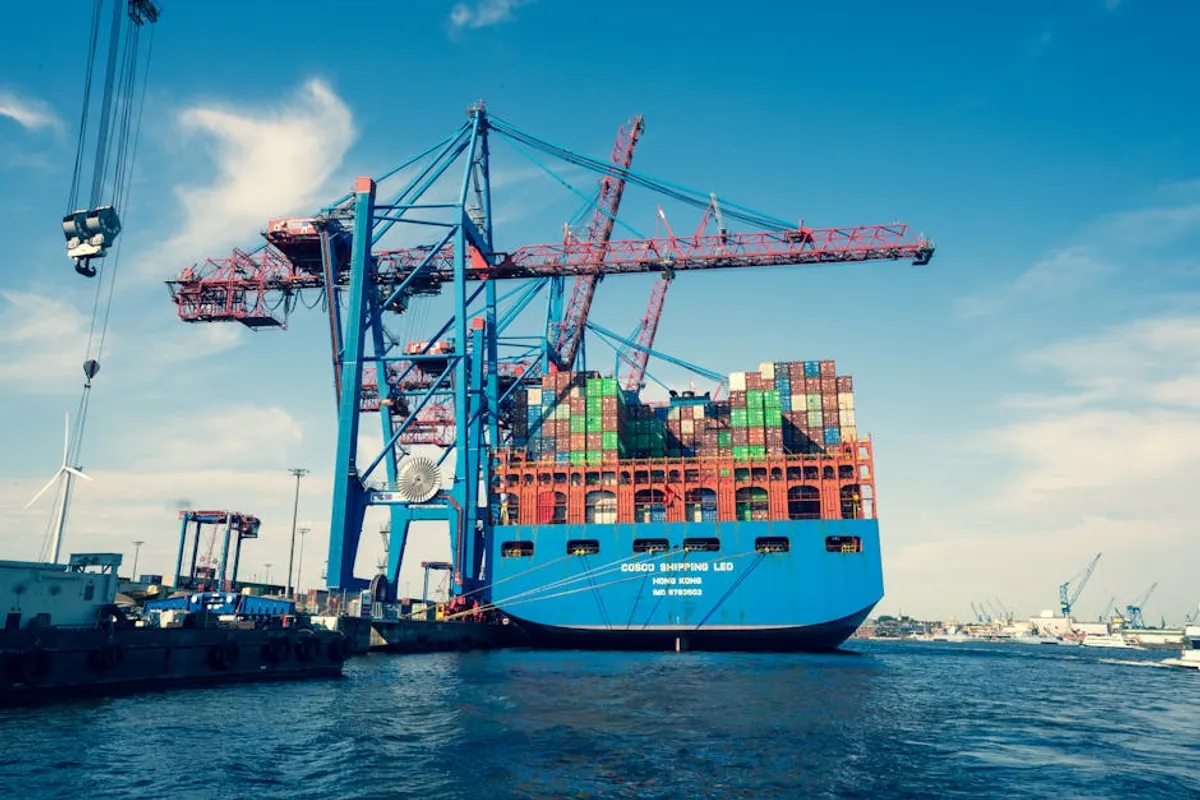
Freight forwarding involves the coordination and shipment of goods from one place to another via a single or multiple carriers, including air, ocean, rail, or road. A freight forwarder acts as an agent, leveraging established relationships with carriers to negotiate the best possible prices and routes, and handles the intricate details of international logistics. Their primary value lies in their expertise in supply chain management, customs regulations, and international trade laws, which allows businesses to focus on their core competencies without becoming logistics specialists themselves. This comprehensive service approach highlights why ocean freight matters for maintaining dependable global supply chains.
Key responsibilities typically include:
- Logistics Planning: Developing optimal shipping routes and modes, considering cost, speed, and cargo type.
- Carrier Negotiation: Securing space on vessels, aircraft, or trucks at competitive rates.
- Documentation Management: Preparing and processing all necessary shipping documents, such as bills of lading, airway bills, customs declarations, and certificates of origin.
- Customs Brokerage: Facilitating customs clearance at both origin and destination, ensuring compliance with import/export regulations and tariffs.
- Cargo Consolidation: Combining smaller shipments from multiple clients into larger, more cost-effective loads (e.g., LCL – Less than Container Load).
- Warehousing and Distribution: Arranging temporary storage and onward distribution at various points in the supply chain.
- Cargo Insurance: Advising on and arranging appropriate insurance coverage to mitigate risk of loss or damage during transit.
- Tracking and Visibility: Providing real-time updates on shipment status and location.
Operational Stages of an International Shipment
A typical international freight forwarding process involves several distinct stages, each requiring meticulous coordination and adherence to specific protocols.
Pre-Carriage and Origin Logistics
This initial phase involves collecting goods from the shipper's premises. The freight forwarder arranges for local transport to a consolidation warehouse or directly to the port or airport. During this stage, cargo is often inspected, weighed, measured, and labeled according to international shipping standards. Essential export documentation is prepared, including the commercial invoice, packing list, and export license, ensuring all details align with the destination country's import requirements.
Main Carriage and Transit Management
Once goods are at the port or airport of origin, the forwarder oversees the loading onto the chosen primary mode of transport. This could be an ocean vessel, cargo plane, train, or long-haul truck. During transit, the forwarder monitors the shipment's progress, handles any unforeseen delays, and communicates updates to the client. For ocean freight, this involves managing container bookings and ensuring proper stowage. For air freight, it means coordinating with airlines for space and flight schedules.
Destination Customs Clearance and Import Procedures
Upon arrival at the destination country, the most critical stage of customs clearance begins. The freight forwarder, often through a local agent or their own customs brokerage department, submits all required import documentation to the customs authorities. This includes the bill of lading or airway bill, commercial invoice, packing list, and any necessary permits or certificates. They calculate and pay duties and taxes on behalf of the importer, ensuring compliance with local laws to avoid penalties or delays. This stage is particularly complex due to varying national regulations and tariff codes.
Pro Tip: Businesses should provide their freight forwarder with accurate and complete product descriptions, Harmonized System (HS) codes, and declared values upfront. Inaccuracies here are a leading cause of customs delays, unexpected duties, and potential fines, directly impacting delivery schedules and costs.
Post-Carriage and Final Delivery
After customs clearance, the goods are released for domestic transportation within the destination country. The freight forwarder arranges for the cargo to be transported from the port or airport to the final recipient's warehouse or distribution center. This final leg, known as post-carriage, can involve trucking, rail, or other local delivery services. Some forwarders also offer value-added services like unpacking, assembly, or specialized delivery for oversized or sensitive cargo.
The Impact of Technology and Digitalization
Modern freight forwarding relies heavily on technology to enhance efficiency and transparency. Digital platforms enable real-time tracking, allowing businesses to monitor their shipments from origin to destination. Data analytics tools help optimize routes, predict potential delays, and manage inventory more effectively. Electronic data interchange (EDI) streamlines the exchange of documents between parties, reducing manual errors and accelerating processing times. This technological integration is crucial for building resilient supply chains capable of adapting to global disruptions.
Optimizing Your Global Supply Chain Through Forwarding Partnerships
Engaging a competent freight forwarder is a strategic decision for businesses involved in international trade. It shifts the burden of complex logistics, regulatory compliance, and risk management to specialists, allowing companies to focus on product development, marketing, and sales. By leveraging a forwarder's network, expertise, and technological capabilities, businesses can achieve greater supply chain efficiency, reduce shipping costs, and enhance customer satisfaction through reliable delivery. The right partnership can transform logistical challenges into a competitive advantage in the global marketplace.
Frequently Asked Questions
What is the difference between a freight forwarder and a carrier?
A carrier (e.g., an airline, shipping line, or trucking company) physically transports goods. A freight forwarder acts as an intermediary, arranging the transportation with one or more carriers on behalf of the shipper, handling all associated logistics and documentation without owning the transport assets.
How do freight forwarders charge for their services?
Freight forwarders typically charge based on a combination of factors, including the type of freight, mode of transport, distance, weight/volume of goods, and additional services like customs clearance, warehousing, or insurance. They often provide quotes that consolidate these costs into a single price.
What are Incoterms, and why are they important in freight forwarding?
Incoterms (International Commercial Terms) are a set of globally recognized rules published by the International Chamber of Commerce (ICC) that define the responsibilities of buyers and sellers for the delivery of goods under sales contracts. They specify who is responsible for paying and managing the shipment, insurance, documentation, and customs duties, directly impacting the freight forwarder's scope of work and liability.