Air freight represents a critical component of modern global trade, enabling businesses to move goods across continents with unparalleled speed and efficiency. For time-sensitive, high-value, or perishable commodities, air cargo is often the only viable option, directly impacting supply chain agility and market responsiveness. Understanding its operational mechanics, cost drivers, and strategic applications is essential for any business relying on international logistics to maintain competitive advantage or meet urgent consumer demand.
The Air Cargo Journey: From Origin to Destination
The process of moving goods by air is a highly coordinated sequence of events, designed to ensure rapid transit and secure handling. It begins long before an aircraft takes off and concludes only after the cargo reaches its final recipient.
Booking and Documentation: The Foundation of Air Shipments
Every air freight shipment starts with meticulous planning and documentation. Key documents include the Air Waybill (AWB), which serves as a contract between the shipper and the carrier, detailing the goods, origin, destination, and terms of carriage. Commercial invoices, packing lists, and specific customs declarations are also mandatory, varying by country and cargo type. Accurate documentation prevents delays and ensures compliance with international trade regulations.
Ground Handling and Consolidation: Preparing for Flight
Once cargo arrives at the origin airport, ground handling agents take over. They verify documentation, weigh and measure the goods, and prepare them for loading. This often involves consolidating smaller shipments into Unit Load Devices (ULDs) – specialized containers or pallets designed to fit aircraft contours. Consolidation maximizes space utilization and protects cargo during transit. Security screening is a mandatory step, ensuring no prohibited items enter the air cargo network.
Air Transportation: The Core Transit Phase
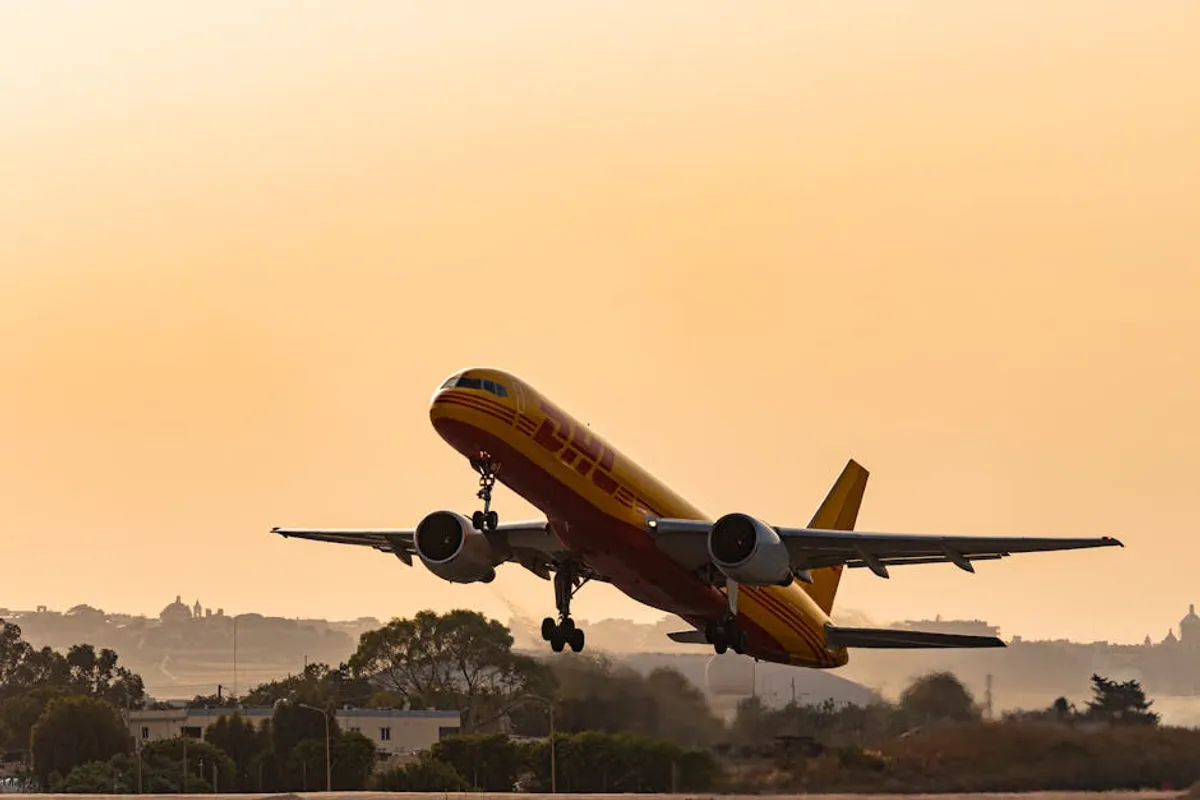
Cargo is loaded onto dedicated freighter aircraft or in the belly holds of passenger planes. The choice depends on volume, urgency, and route availability. Major cargo hubs act as critical transfer points, where shipments are sorted and re-routed to their final destination airports. Airlines operate on strict schedules, making air freight predictable, though disruptions can occur due to weather or operational issues.
Destination Clearance and Delivery: Final Mile Logistics
Upon arrival at the destination airport, cargo undergoes customs clearance. Customs brokers often manage this complex process, ensuring all duties, taxes, and import regulations are met. After clearance, the cargo is de-consolidated from ULDs, sorted, and prepared for onward distribution. The final mile delivery can involve trucking services to warehouses, distribution centers, or directly to the consignee, completing the door-to-door air freight journey.
Key Players in the Air Cargo Ecosystem
The successful movement of air freight relies on a network of specialized entities, each playing a distinct role:
- Airlines: Operate the aircraft, providing capacity for cargo. This includes dedicated cargo airlines (freighters) and passenger airlines utilizing belly hold space.
- Freight Forwarders: Act as intermediaries, managing the entire logistics process for shippers. They handle booking, documentation, customs, and often consolidate shipments to negotiate better rates.
- Ground Handlers: Responsible for physical cargo handling at airports, including loading, unloading, warehousing, and security screening.
- Customs Brokers: Experts in international trade regulations, facilitating customs clearance at both origin and destination.
- Shippers/Consignees: The businesses sending and receiving the goods, ultimately driving the demand for air freight services.
Strategic Advantages and Commercial Realities
Businesses opt for air freight due to several distinct advantages, which often outweigh its higher cost compared to sea or land transport.
Speed and Reliability: Critical for Time-Sensitive Goods
Air freight delivers goods in days, not weeks, making it indispensable for perishable items, urgent components for just-in-time manufacturing, e-commerce express deliveries, and product launches requiring simultaneous global availability. This speed reduces inventory holding costs and accelerates market entry.
Security and Reduced Risk: Protecting High-Value Cargo
Air cargo typically experiences fewer handling points and operates within highly controlled airport environments, leading to lower rates of damage and theft. This enhanced security is vital for high-value electronics, pharmaceuticals, and luxury goods, where loss or damage carries significant financial implications.
Global Reach: Connecting Distant Markets
With extensive flight networks, air freight can reach virtually any major commercial center worldwide, including landlocked regions. This global connectivity enables businesses to source and sell internationally, expanding their market footprint without geographical limitations.
Pro Tip: While air freight offers unparalleled speed, always evaluate the true urgency of a shipment against its cost. For goods with longer lead times or lower value density, a multimodal approach combining air and sea freight can offer a cost-effective balance between speed and budget, optimizing overall supply chain expenditure without compromising critical delivery windows.
Cost Structures and Influencing Factors
The cost of air freight is complex, determined by several variables:
- Weight and Volume: Airlines charge based on either the actual weight or the volumetric (dimensional) weight, whichever is greater. This "chargeable weight" calculation is a standard industry practice.
- Fuel Surcharges: Volatile fuel prices are passed on to shippers as a separate surcharge.
- Security Surcharges: Fees for enhanced security screening and protocols.
- Terminal Handling Charges (THC): Costs for handling cargo at the origin and destination airport terminals.
- Customs Duties and Taxes: Levied by destination countries based on the Harmonized System (HS) code and value of the goods.
- Insurance: Optional but highly recommended to protect against loss or damage.
- Route and Urgency: Direct flights and express services command higher prices than consolidated or less urgent options.
Air Freight's Role in Modern Supply Chains
Beyond traditional cargo, air freight has become integral to specific modern supply chain demands:
- E-commerce Fulfillment: Facilitates rapid international shipping for online retailers, meeting consumer expectations for fast delivery.
- High-Value and Perishable Goods: Essential for pharmaceuticals, fresh produce, live animals, and luxury items where speed preserves quality and value.
- Just-in-Time (JIT) Inventory: Supports lean manufacturing by ensuring critical components arrive precisely when needed, minimizing warehousing costs.
- Crisis Response and Replenishment: Quickly moves humanitarian aid, emergency supplies, or critical parts to address unexpected disruptions.
Optimizing Your Air Freight Strategy
Effective air freight utilization requires a strategic approach. Businesses should focus on selecting reputable freight forwarders with strong airline partnerships and global networks. Leveraging technology for real-time tracking and visibility is crucial for managing expectations and responding to unforeseen events. Proactive planning, accurate documentation, and a clear understanding of Incoterms can significantly streamline operations and mitigate potential delays or additional costs. Regularly reviewing shipping patterns and carrier performance allows for continuous optimization, ensuring air freight remains a strategic asset in your global trade operations.
Frequently Asked Questions
What types of goods are best suited for air freight?
Air freight is ideal for time-sensitive, high-value, perishable, or fragile goods. This includes electronics, pharmaceuticals, fashion items, fresh produce, and critical spare parts that require rapid delivery to maintain production or meet market demand.
How is air freight cost calculated?
Air freight costs are primarily calculated based on the "chargeable weight," which is the greater of the actual gross weight or the volumetric (dimensional) weight of the shipment. Additional charges include fuel surcharges, security fees, terminal handling charges, and customs duties.
What is the role of a freight forwarder in air freight?
A freight forwarder acts as an intermediary, managing the entire air freight process for shippers. They handle booking cargo space, preparing documentation, consolidating shipments, arranging customs clearance, and coordinating ground transportation, simplifying complex international logistics.
How does air freight contribute to global supply chain resilience?
Air freight enhances supply chain resilience by providing a rapid response option for unexpected disruptions, urgent replenishment of stock, or bypassing bottlenecks in other transport modes. Its speed allows businesses to react quickly to market changes or supply chain emergencies, minimizing downtime and losses.