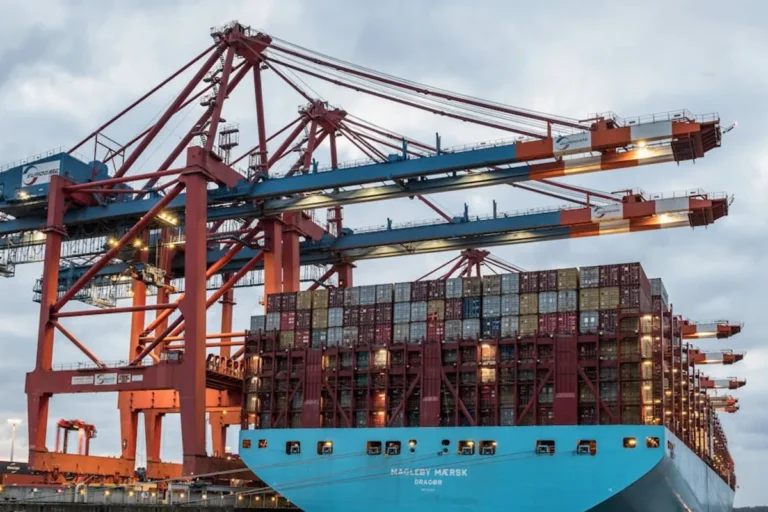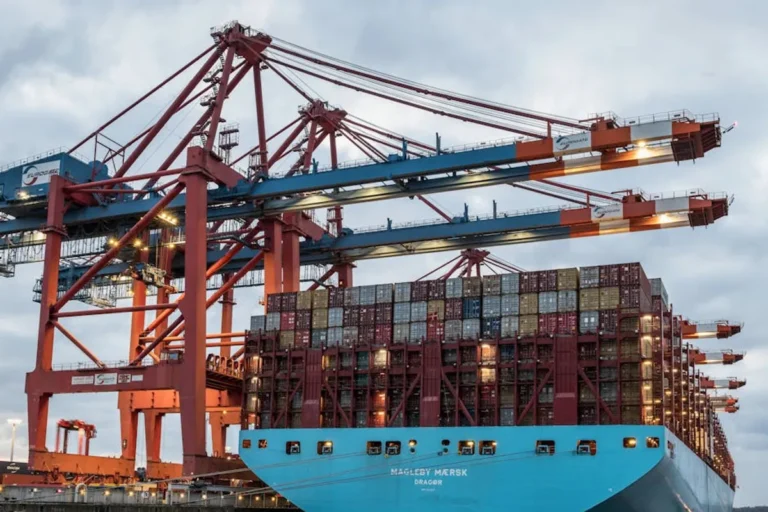
Importers face increasing pressure to adopt green shipping practices, driven by regulatory mandates, consumer demand, and corporate sustainability goals. While the intent to reduce environmental impact is clear, the execution often falters due to common, yet avoidable, mistakes. Navigating the complexities of sustainable logistics requires a strategic approach, moving beyond superficial changes to embed environmental responsibility deeply within the supply chain. Understanding these pitfalls upfront allows importers to build resilient, compliant, and genuinely greener shipping operations, translating sustainability efforts into tangible operational benefits and enhanced brand reputation.
Mistake 1: Neglecting Comprehensive Emissions Data
A primary error in green shipping initiatives is the failure to establish a robust framework for tracking and analyzing emissions. Without accurate, granular data, efforts to reduce environmental impact remain speculative, lacking the foundation for informed decision-making or verifiable progress.
Inaccurate Baseline Measurement
Many importers begin their green journey without a precise understanding of their current carbon footprint. This often stems from relying on aggregated industry averages or incomplete data sets. An inaccurate baseline makes it impossible to measure the effectiveness of reduction strategies, leading to misallocated resources and a lack of demonstrable progress. Importers must invest in tools and processes to collect specific data on fuel consumption, cargo weight, distance traveled, and mode of transport for every shipment.
Overlooking Scope 3 Emissions
While direct emissions (Scope 1 and 2) are often easier to quantify, a significant portion of a supply chain's environmental impact comes from Scope 3 emissions—those generated by third-party logistics providers, upstream activities, and downstream distribution. Ignoring these indirect emissions provides an incomplete picture of environmental performance. Effective green shipping strategies must encompass the entire lifecycle of a shipment, requiring collaboration with carriers, freight forwarders, and other partners to gather comprehensive data.
Mistake 2: Failing to Optimize Transportation Modes and Routes
Another common misstep involves sticking to traditional, often high-emitting, transportation methods without exploring more sustainable alternatives or optimizing existing networks. This oversight can significantly inflate carbon footprints and operational costs.
Defaulting to High-Emitting Options
Importers frequently prioritize speed or cost without adequately assessing the environmental trade-offs. For instance, air freight, while fast, has a significantly higher carbon intensity per ton-mile compared to ocean or rail. Similarly, relying solely on long-haul trucking when intermodal options (combining rail and road) are available can unnecessarily increase emissions. A comprehensive green shipping strategy evaluates all available modes, weighing speed, cost, and environmental impact to select the most appropriate combination for each leg of the journey.
Ignoring Intermodal and Backhaul Opportunities
Underutilizing intermodal transport, which combines different modes like rail, sea, and road, prevents significant emissions reductions. Rail and sea transport are generally more fuel-efficient per ton-mile than road transport. Furthermore, neglecting backhaul opportunities—filling empty return trips—is a missed chance to optimize capacity and reduce emissions from otherwise unproductive journeys. Strategic planning software and strong carrier relationships are essential for identifying and leveraging these efficiencies.
Mistake 3: Insufficient Vetting of Supply Chain Partners
The global nature of shipping means importers rely heavily on a network of carriers, freight forwarders, and logistics providers. A critical mistake is failing to thoroughly vet these partners for their own sustainability commitments and practices.
Lack of Transparency Requirements
Many importers do not enforce strict transparency requirements regarding their partners' environmental performance. Without clear mandates for data sharing on fuel efficiency, emissions reporting, or sustainability certifications, importers cannot accurately assess their extended supply chain's impact. This creates blind spots and undermines the credibility of their own green claims.
Relying on Unverified Green Claims
The prevalence of "greenwashing"—marketing products or services as environmentally friendly without substantiation—is a significant risk. Importers who accept partner sustainability claims at face value, without requesting verifiable data or independent certifications, expose themselves to reputational damage and contribute to ineffective environmental efforts. Due diligence requires validating claims through third-party audits, emissions reports, and adherence to recognized standards like ISO 14001 or specific industry initiatives.
Pro Tip: To avoid greenwashing allegations and ensure genuine impact, demand verifiable data and third-party certifications from all logistics partners. Establish clear KPIs for environmental performance in contracts, such as average fleet fuel efficiency, use of alternative fuels, or waste reduction targets. Regular audits and performance reviews are crucial for accountability.
Mistake 4: Underestimating Sustainable Packaging's Impact
Packaging often represents a significant, yet overlooked, component of a shipment's environmental footprint. Mistakes in this area can negate gains made in transportation efficiency.
Overlooking Material Innovation
Many importers continue to use traditional, resource-intensive packaging materials without exploring innovative, sustainable alternatives. This includes conventional plastics, excessive void fill, and non-recyclable components. The market offers a growing array of eco-friendly options, from compostable polymers and recycled content to lighter-weight designs that reduce overall shipment volume and weight. Failing to research and adopt these innovations is a missed opportunity for significant environmental improvement.
Neglecting End-of-Life Considerations
Sustainable packaging extends beyond material choice to its end-of-life. Importers often overlook whether their packaging is easily recyclable, compostable, or reusable in the destination market. Packaging that ends up in landfills, despite being made from "sustainable" materials, fails its purpose. Designing for circularity—considering how packaging can be reused, recycled, or composted after its primary use—is essential for a truly green approach.
Mistake 5: Slow Adoption of Green Technologies and Fuels
The shipping industry is evolving with new technologies and alternative fuels aimed at decarbonization. Hesitation to embrace these innovations can leave importers behind in the race for sustainability.
Hesitation with Alternative Fuel Investments
The transition to alternative fuels like LNG, biofuels, electric, or hydrogen-powered vessels and vehicles is gaining momentum. Importers who wait for widespread adoption before exploring these options risk losing competitive advantage and failing to meet future regulatory requirements. Engaging with carriers that are investing in these technologies, or even participating in pilot programs, can provide early insights and secure access to greener transport options.
Delaying Digital Logistics Integration
Advanced digital logistics platforms, powered by AI and machine learning, offer significant environmental benefits through optimized route planning, predictive maintenance, and real-time visibility. These tools can reduce fuel consumption, minimize empty miles, and prevent delays. Delaying the integration of such platforms means missing out on operational efficiencies that directly contribute to a lower carbon footprint and improved overall supply chain performance.
Strategic Integration for Sustainable Shipping
Avoiding these common mistakes requires a proactive and integrated strategy. Sustainability cannot be an afterthought; it must be woven into the fabric of logistics planning and execution.
Establishing Clear KPIs and Reporting
Define specific, measurable, achievable, relevant, and time-bound (SMART) Key Performance Indicators for your green shipping initiatives. These might include:
- Percentage reduction in CO2 emissions per ton-mile
- Proportion of shipments utilizing low-emission transport modes
- Waste reduction targets for packaging materials
- Supplier compliance rates for sustainability standards
- Investment in green technologies or partnerships
Regularly report on these KPIs to internal stakeholders and, where appropriate, to customers and the public. This drives accountability and demonstrates tangible progress.
Continuous Review and Improvement
The landscape of green shipping is dynamic, with new technologies, regulations, and best practices emerging constantly. Implement a system for continuous review and improvement of your sustainability strategy. This involves regular assessments of current practices, benchmarking against industry leaders, and adapting to new opportunities. Foster a culture of innovation within your logistics teams to identify and implement new ways to reduce environmental impact.
Navigating Green Shipping: Actionable Steps
To effectively mitigate environmental impact and optimize operations, importers should:
1. Conduct a thorough baseline assessment of all supply chain emissions, including Scope 3.
2. Diversify transportation modes, prioritizing intermodal and lower-emission options where feasible.
3. Implement a rigorous vetting process for all logistics partners, demanding verifiable sustainability data and certifications.
4. Redesign packaging with a focus on material innovation, lightweighting, and end-of-life circularity.
5. Actively research and pilot green technologies and alternative fuels with trusted carriers.
6. Integrate digital logistics platforms for enhanced visibility and optimization.
7. Establish clear, measurable KPIs for sustainability and commit to regular reporting and continuous improvement.
FAQ
What is green shipping?
Green shipping refers to the practice of minimizing the environmental impact of transporting goods, primarily by reducing greenhouse gas emissions, air pollutants, and waste throughout the entire supply chain, from manufacturing to delivery.
How can small and medium-sized importers implement green shipping practices?
SMEs can start by optimizing packaging, consolidating shipments to reduce trips, choosing carriers with established sustainability programs, and leveraging digital tools for route optimization. Even small changes can collectively make a significant difference.
What are Scope 3 emissions in the context of shipping?
Scope 3 emissions are indirect emissions that occur in a company's value chain but are not directly owned or controlled by the company. For importers, this includes emissions from the transportation and distribution of goods by third-party carriers, packaging production, and the end-of-life treatment of sold products.
Are green shipping practices more expensive?
Initially, some green initiatives may involve upfront investments in technology or alternative fuels. However, many practices, such as route optimization, efficient packaging, and reduced waste, often lead to long-term cost savings through lower fuel consumption, reduced material costs, and improved operational efficiency. Additionally, meeting regulatory compliance and enhancing brand reputation can provide significant commercial value.