Understanding the distinction between container shipping and ocean freight is crucial for businesses navigating global logistics. While often used interchangeably, these terms represent different scopes and methodologies within maritime transport. Ocean freight is the overarching mode of transport, encompassing any goods moved across oceans by ship. Container shipping, by contrast, is a highly standardized and specialized subset of ocean freight, leveraging uniform steel boxes for cargo movement. Recognizing these differences directly impacts decisions related to cost, efficiency, cargo security, and supply chain integration.
Defining Ocean Freight: The Broad Scope of Maritime Transport
Ocean freight refers to the method of transporting large quantities of goods via cargo ships across seas and oceans. It is the most common and often the most cost-effective method for international trade, particularly for heavy, bulky, or high-volume shipments. This broad category includes various types of vessels and cargo handling methods beyond just containers.
- Break Bulk: Goods are loaded individually onto the ship, not in containers. This method is common for oversized items, heavy machinery, or cargo that doesn't fit standard container dimensions.
- Roll-on/Roll-off (RoRo): Vessels designed to carry wheeled cargo, such as cars, trucks, and other vehicles, which are driven directly onto and off the ship.
- Liquid Bulk: Transport of liquids like oil, chemicals, and liquefied natural gas (LNG) in specialized tankers.
- Dry Bulk: Shipment of unpackaged raw materials such as grains, coal, iron ore, and cement in the ship's holds.
Ocean freight's primary advantage lies in its capacity to move massive volumes of goods globally at a lower per-unit cost compared to air freight, making it indispensable for raw materials and manufactured goods alike.
Defining Container Shipping: Standardized Efficiency
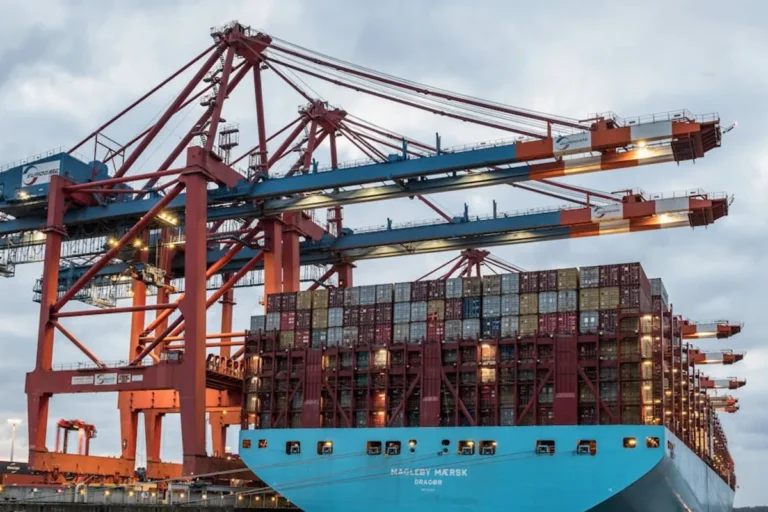
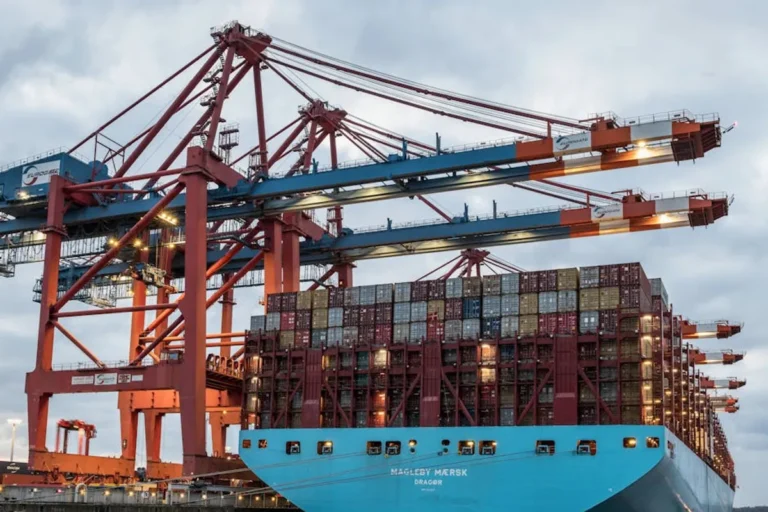
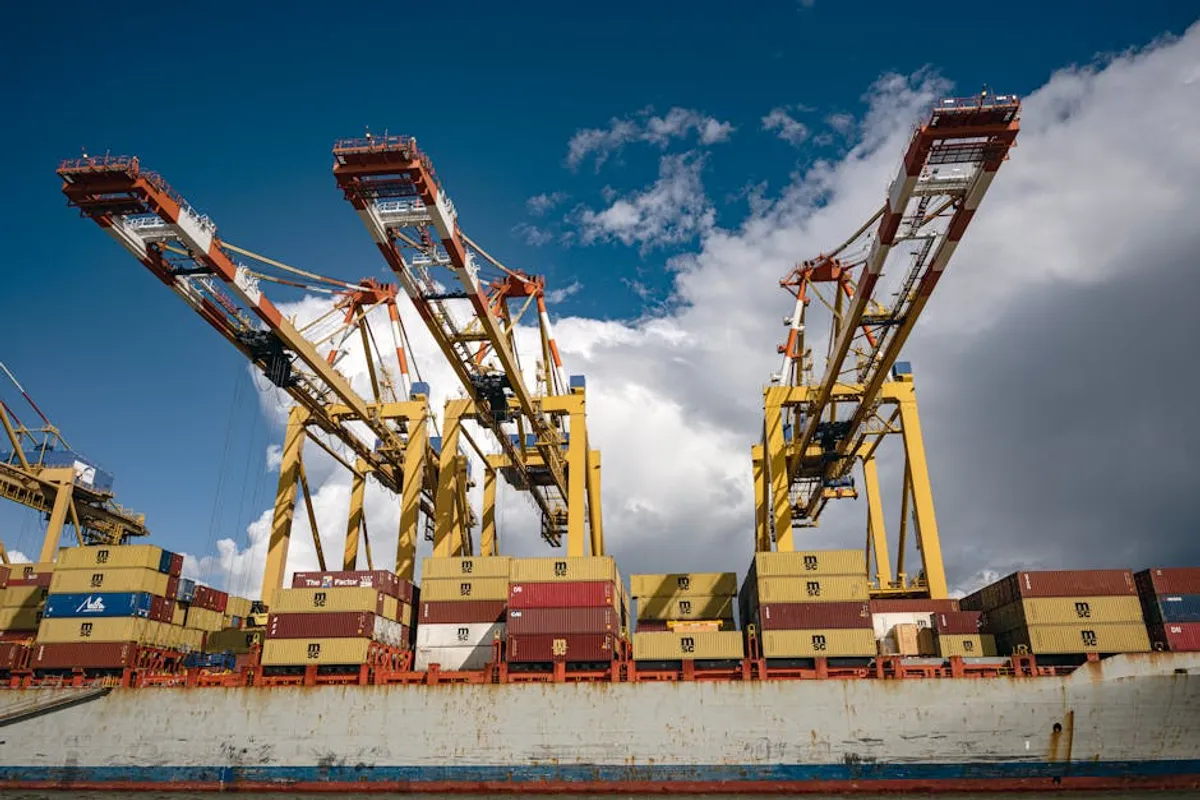
Container shipping is a specific system within ocean freight that utilizes intermodal containers to transport goods. These containers are standardized steel boxes, designed to be easily transferable between different modes of transport—ships, trains, and trucks—without needing to unload and reload the cargo itself. This standardization revolutionized global trade, significantly improving efficiency and reducing handling costs.
Key characteristics of container shipping include:
- Standardized Dimensions: Containers come in globally recognized sizes (e.g., 20-foot equivalent units or TEUs, and 40-foot equivalent units or FEUs), allowing for universal handling equipment and vessel designs.
- Intermodal Compatibility: The design facilitates seamless transfer across multiple transport modes, creating integrated supply chains from origin to destination.
- Enhanced Security: Goods are sealed within containers, offering better protection against theft, damage, and environmental factors compared to traditional break-bulk methods.
- Cargo Versatility: While primarily used for manufactured goods, electronics, and consumer products, specialized containers (e.g., refrigerated "reefer" containers, open-top, flat racks) accommodate a wide range of cargo types.
The efficiency of container shipping stems from its ability to minimize manual handling, accelerate port operations, and enable predictable transit times.
Key Differences: A Direct Comparison
Scope of Service
Ocean freight is the broad category encompassing all maritime transport, including non-containerized cargo, bulk shipments, and specialized vessels. Container shipping is a specific methodology under this umbrella, focused exclusively on cargo packed into standardized containers.
Cargo Suitability
Ocean Freight (general): Best suited for bulk commodities (e.g., grains, minerals), oversized or project cargo (e.g., large machinery, industrial components), vehicles (RoRo), and liquids (tankers). These items often cannot fit into standard containers or are more economically shipped in their raw, unpackaged forms.
Container Shipping: Ideal for manufactured goods, consumer products, electronics, textiles, packaged foods, and any cargo that benefits from secure, standardized handling and intermodal transfer. It excels where goods need protection and efficient movement through complex supply chains.
Standardization and Intermodal Integration
Container shipping is defined by its high degree of standardization, from container dimensions to handling protocols. This standardization is the foundation for seamless intermodal transport, where a container can move from a factory floor onto a truck, then a train, and finally a ship, without being opened until it reaches its final destination. General ocean freight, particularly break-bulk, requires more specialized handling at each transfer point, making intermodal integration more complex and often less efficient.
Cost Structure
The cost of ocean freight can vary significantly based on the type of cargo, vessel, and handling required. Bulk shipments, for example, are priced per ton. Container shipping, however, often features more predictable pricing based on container size (FCL - Full Container Load) or volume/weight (LCL - Less than Container Load), along with associated terminal handling charges and surcharges. For many manufactured goods, the efficiency gains and reduced handling costs of container shipping often translate to a lower overall logistics expense.
Security and Protection
Container shipping offers inherent security advantages. Once sealed, a container provides a robust barrier against theft, tampering, and environmental exposure throughout its journey. While general ocean freight also employs various security measures, the individual handling of break-bulk cargo or the open nature of some bulk shipments can present different security challenges.
Pro Tip: When evaluating shipping options, never assume your cargo fits neatly into a standard container without verification. Misjudging dimensions or weight for containerization can lead to costly re-packaging, delays, or the necessity of switching to more expensive break-bulk options at the last minute. Always provide precise cargo specifications to your freight forwarder.
Optimizing Your Shipping Strategy
Choosing between general ocean freight and container shipping hinges on specific cargo characteristics and supply chain requirements. For businesses dealing with diverse product lines, a hybrid approach might be necessary, utilizing container shipping for consumer goods and specialized ocean freight for larger, non-standard items.
Factors to consider include:
- Cargo Dimensions and Weight: Does it fit standard container sizes? Is it over-gauge or exceptionally heavy?
- Volume and Frequency: Are you shipping enough to fill a container (FCL), or would LCL be more economical? For very large, consistent volumes of bulk goods, dedicated bulk carriers are efficient.
- Destination Infrastructure: Does the destination port have the equipment and infrastructure to handle containerized cargo efficiently, or is it better suited for break-bulk?
- Budget and Timeline: While ocean freight is generally slower than air freight, container shipping offers more predictable transit times than some break-bulk operations.
- Security Needs: High-value or sensitive goods often benefit from the sealed environment of a container.
Engaging with experienced freight forwarders is critical. They can analyze your specific needs, provide detailed cost breakdowns, and advise on the most suitable and cost-effective shipping method, whether it involves standard containers, specialized vessels, or a combination.
Frequently Asked Questions
Is ocean freight always cheaper than container shipping?
Not necessarily. While ocean freight, in its broadest sense, is generally the most economical mode for large volumes, container shipping often offers lower per-unit costs for manufactured goods due to its efficiency in handling, reduced labor, and intermodal capabilities. For very small shipments, LCL container shipping can be more cost-effective than air freight.
What is the main advantage of container shipping over other ocean freight methods?
The primary advantage is standardization and intermodal compatibility. This allows for seamless transfer between ships, trains, and trucks, significantly reducing handling time, labor costs, and the risk of damage or theft, leading to a more efficient and predictable supply chain.
Can all types of goods be shipped in containers?
Most manufactured goods, consumer products, and packaged items can be shipped in standard containers. However, extremely oversized cargo, very heavy machinery that exceeds container weight limits, bulk commodities like oil or grain, and certain vehicles typically require specialized ocean freight services such as break-bulk, RoRo, or bulk carriers.