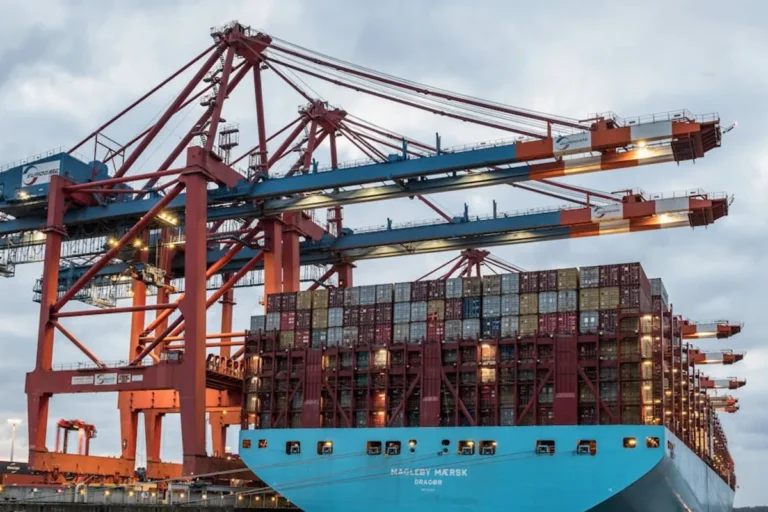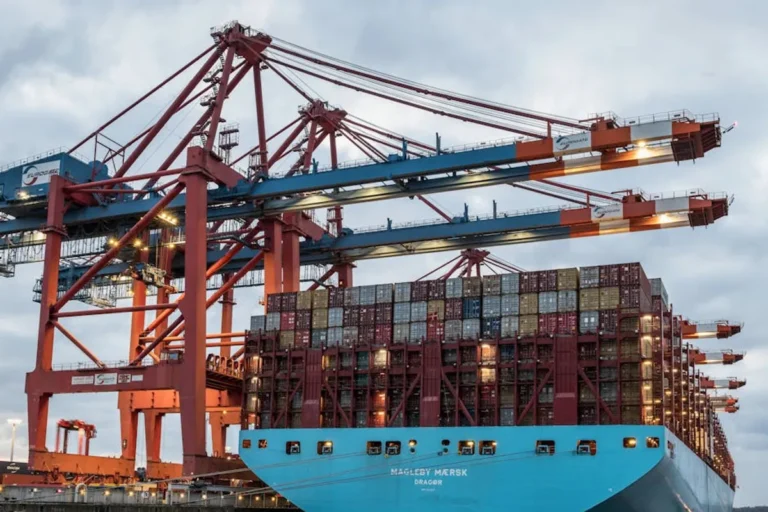
Effective supply chain visibility moves beyond mere tracking; it encompasses the strategic ability to monitor and understand the status of goods, information, and funds as they flow across the entire supply chain, from raw material sourcing to final customer delivery. In an increasingly interconnected and volatile global economy, this comprehensive insight is no longer a competitive advantage but a fundamental requirement. Disruptions, whether from geopolitical events, natural disasters, or sudden shifts in consumer demand, underscore the critical need for real-time, actionable data. Without clear visibility, businesses operate with blind spots, leading to inefficient inventory management, missed delivery deadlines, increased operational costs, and ultimately, eroded customer trust. Implementing robust visibility practices allows organizations to anticipate issues, react swiftly to changes, optimize logistics, and build resilience into their operations, transforming potential crises into opportunities for strategic adaptation and improved performance. Understanding the complexities of modern logistics means recognizing why supply chain visibility matters for building resilient operations.
Fundamental Pillars of Effective Supply Chain Visibility
Achieving comprehensive supply chain visibility relies on several foundational principles that transcend specific technologies or methodologies. Prioritizing these pillars ensures that any practice implemented contributes to a cohesive, resilient, and responsive supply chain. Without them, even advanced tools yield limited results.
- Data Accuracy and Integrity: The bedrock of any visibility initiative is reliable data. Inaccurate or incomplete data leads to flawed insights and poor decision-making. Practices must focus on capturing precise information at every touchpoint and ensuring its integrity as it moves through various systems.
- Seamless Integration: Supply chains are inherently fragmented, involving multiple internal departments and external partners. Effective visibility demands seamless integration of diverse systems, platforms, and data sources to create a unified view. This eliminates information silos and enables a holistic understanding of operations.
- Collaborative Ecosystems: Visibility is a shared responsibility. Successful practices foster strong collaboration and information sharing among all stakeholders, including suppliers, manufacturers, logistics providers, and retailers. This requires clear communication protocols and mutually beneficial partnerships.
- Standardization: To facilitate integration and collaboration, data formats, communication protocols, and operational procedures must be standardized wherever possible. This reduces complexity, minimizes errors, and accelerates information exchange across the network.
- Scalability and Adaptability: Supply chains are dynamic. Visibility solutions must be scalable to accommodate growth and adaptable to evolving market conditions, new technologies, and changing regulatory landscapes. Static systems quickly become obsolete.
- Actionable Insights: Raw data is only valuable when transformed into actionable insights. Practices should focus on not just collecting data, but on analyzing it to identify trends, predict issues, and inform strategic decisions that improve operational efficiency and resilience.
1. Implement Real-time Data Capture and Integration
This practice involves deploying technologies and processes to collect information about inventory, shipments, and orders as events occur, rather than relying on batch processing or manual updates. It requires integrating diverse systems, such as Enterprise Resource Planning (ERP), Warehouse Management Systems (WMS), Transportation Management Systems (TMS), and supplier portals, to ensure a continuous flow of data across the supply chain. The goal is to eliminate information lag, providing an up-to-the-minute operational picture.
Best For: Organizations with complex global supply chains, perishable goods, high-value inventory, or those operating in fast-paced, demand-driven markets where rapid decision-making is critical.
Pros: Reduces lead times, improves inventory accuracy, enables proactive issue resolution, enhances responsiveness to market changes, and supports dynamic routing or fulfillment strategies.
Cons: Significant initial investment in technology and integration efforts; requires robust IT infrastructure and data governance policies; potential for data overload if not properly managed with analytics tools.
Verdict: Fundamental for modern supply chain management. While costly to implement, the long-term benefits in efficiency, risk mitigation, and customer satisfaction often outweigh the initial expenditure, making it a non-negotiable for competitive advantage.
2. Standardize Data Formats and Communication Protocols
This practice focuses on establishing uniform data structures, definitions, and exchange methods across all internal departments and external partners. It moves away from proprietary or disparate data formats, advocating for common standards like EDI (Electronic Data Interchange), XML, or API-based communication. Standardization ensures that information shared between different systems and organizations is consistently interpreted, reducing errors and facilitating seamless integration.
Best For: Any organization engaged in multi-party supply chain operations, particularly those with numerous suppliers, logistics providers, or distributors, or those seeking to automate data exchange.
Pros: Eliminates data translation errors, accelerates information flow, simplifies system integration, improves data quality, and enhances overall supply chain transparency and collaboration.
Cons: Requires significant coordination and agreement among all supply chain partners; potential resistance to change from entrenched systems or processes; ongoing maintenance to ensure compliance.
Verdict: A critical enabler for true end-to-end visibility. Without standardized data, even the most advanced integration technologies will struggle to provide coherent insights. It's an investment in interoperability.
3. Map the End-to-End Supply Chain
This practice involves visually documenting every stage of the supply chain, from raw material sourcing and manufacturing to warehousing, transportation, and final customer delivery. Mapping includes identifying all key stakeholders, processes, data flows, and potential choke points. It's more than a flow chart; it's a dynamic representation used to understand dependencies, identify vulnerabilities, and optimize the entire network.
Best For: Organizations seeking to identify single points of failure, optimize logistics routes, understand lead time drivers, or improve overall supply chain resilience and efficiency.
Pros: Provides a holistic view of operations, uncovers hidden risks and inefficiencies, facilitates better strategic planning, improves communication among stakeholders, and supports scenario planning.
Cons: Time-consuming and resource-intensive, especially for complex global supply chains; requires continuous updates as the supply chain evolves; can be challenging to capture all nuances accurately.
Verdict: An essential strategic exercise that forms the foundation for all other visibility efforts. It transforms abstract concepts into tangible pathways, enabling targeted improvements and risk mitigation.
4. Implement Predictive Analytics and AI
This practice leverages historical and real-time data, combined with advanced algorithms and machine learning, to forecast future events and trends within the supply chain. This includes predicting demand fluctuations, potential delivery delays, equipment failures, inventory shortages, and quality issues. AI and machine learning models analyze patterns that human analysts might miss, providing proactive insights.
Best For: Businesses with high demand variability, complex operational environments, or those aiming to optimize inventory levels, improve delivery reliability, and minimize waste through proactive decision-making.
Pros: Enables proactive risk management, optimizes inventory and resource allocation, improves forecasting accuracy, reduces operational costs, and enhances customer satisfaction through better service levels.
Cons: Requires significant investment in data science capabilities and robust data infrastructure; models need continuous training and validation; can be challenging to interpret complex AI outputs without skilled personnel.
Verdict: A transformative practice that moves beyond reactive management to proactive optimization. While demanding in resources, its ability to anticipate and mitigate issues makes it a powerful tool for competitive advantage.
5. Foster Collaborative Planning, Forecasting, and Replenishment (CPFR)
CPFR is a business practice that combines the intelligence of multiple trading partners in the planning and fulfillment of customer demand. It involves joint business planning, sales forecasting, order forecasting, and replenishment planning. This shared approach ensures that all parties have a consistent view of demand and supply, leading to optimized inventory levels, reduced stockouts, and improved service.
Best For: Organizations with strong, long-term relationships with key suppliers and customers, where mutual trust and shared objectives can drive joint process improvements and information exchange.
Pros: Reduces inventory costs, minimizes stockouts, improves forecast accuracy, strengthens partner relationships, and enhances overall supply chain efficiency and responsiveness.
Cons: Requires high levels of trust and commitment from all participants; significant investment in communication platforms and shared planning tools; challenges in aligning disparate business goals and processes.
Verdict: A highly effective practice for optimizing specific segments of the supply chain. Its success hinges on strong partnerships and a willingness to share sensitive information for mutual benefit, yielding substantial returns when executed well.
6. Leverage IoT and Sensor Technology for Asset Tracking
This practice involves deploying Internet of Things (IoT) devices and sensors on goods, containers, vehicles, or even within warehouses to collect real-time data on location, environmental conditions (temperature, humidity), shock, and other critical parameters. This data is then transmitted to a central platform, providing granular visibility into the physical movement and condition of assets throughout the supply chain.
Best For: Industries handling perishable goods (food, pharmaceuticals), high-value items, sensitive equipment, or those requiring precise location tracking and condition monitoring for compliance or quality control.
Pros: Provides granular, real-time location and condition data; enhances security and reduces theft; enables proactive intervention for damaged or at-risk goods; improves compliance with regulatory requirements.
Cons: High initial hardware costs for sensors and infrastructure; challenges with connectivity in remote areas; requires robust data management and analytics capabilities to process sensor data effectively; battery life considerations.
Verdict: Offers unparalleled physical visibility for specific types of goods and operations. While the investment can be substantial, the ability to monitor conditions and location in real-time provides critical insights for quality assurance and risk mitigation.
7. Implement Blockchain for Enhanced Traceability and Transparency
This practice utilizes distributed ledger technology (blockchain) to create an immutable, transparent, and secure record of transactions and movements across the supply chain. Each step—from raw material origin to final sale—is recorded as a block in the chain, accessible to authorized participants. This provides verifiable proof of origin, authenticity, and chain of custody, enhancing trust and accountability.
Best For: Industries requiring high levels of product traceability, combating counterfeiting, ensuring ethical sourcing, or meeting stringent regulatory compliance (e.g., food safety, pharmaceuticals, luxury goods).
Pros: Ensures data immutability and tamper-proof records; enhances trust among supply chain partners; improves product authenticity and reduces fraud; streamlines audits and compliance reporting; provides verifiable ethical sourcing information.
Cons: Requires significant industry-wide adoption for maximum benefit; scalability and processing speed can be a concern for very high transaction volumes; integration with existing legacy systems can be complex; data privacy considerations for sensitive information.
Verdict: A powerful technology for building trust and transparency, especially in complex, multi-party supply chains where provenance and authenticity are paramount. Its full potential is unlocked with broader ecosystem participation.
8. Establish Robust Performance Metrics and Key Performance Indicators (KPIs)
This practice involves defining, tracking, and regularly analyzing a set of quantitative metrics that measure the effectiveness of supply chain operations and visibility initiatives. KPIs might include on-time delivery rates, order fulfillment accuracy, inventory turns, lead times, supplier performance, and cost per shipment. These metrics provide objective data to assess performance, identify areas for improvement, and demonstrate the ROI of visibility efforts.
Best For: All organizations, regardless of size or industry, that seek to objectively evaluate their supply chain performance, drive continuous improvement, and align operational activities with strategic business goals.
Pros: Provides clear insights into operational efficiency; identifies bottlenecks and underperforming areas; enables data-driven decision-making; facilitates accountability; helps justify investments in technology and process improvements.
Cons: Requires careful selection of relevant KPIs to avoid "vanity metrics"; data collection and reporting can be resource-intensive; risk of focusing too narrowly on metrics rather than holistic improvement; requires consistent monitoring and analysis.
Verdict: Essential for moving beyond anecdotal evidence to measurable progress. Well-defined KPIs are the compass for navigating supply chain improvements and proving the value of visibility initiatives.
9. Conduct Regular Supply Chain Audits and Reviews
This practice involves periodic, systematic examinations of supply chain processes, partner performance, data quality, and technology utilization. Audits can be internal or external and aim to identify compliance gaps, operational inefficiencies, emerging risks, and areas where visibility can be enhanced. Reviews assess the effectiveness of existing practices against current business objectives and market conditions.
Best For: All organizations, particularly those in regulated industries, those undergoing rapid growth or change, or those with critical supply chain dependencies where risk mitigation is a high priority.
Pros: Identifies vulnerabilities and compliance issues proactively; ensures adherence to best practices and standards; validates data accuracy and system integrity; fosters continuous improvement; strengthens supplier relationships through feedback.
Cons: Can be resource-intensive and disruptive to daily operations; requires skilled auditors with deep supply chain knowledge; potential for resistance from partners if not framed constructively; findings require actionable follow-up.
Verdict: A proactive risk management and quality assurance tool. Regular audits ensure that visibility practices remain effective and aligned with evolving business needs, preventing complacency and addressing issues before they escalate.
10. Invest in Cybersecurity for Supply Chain Data
This practice focuses on implementing robust security measures to protect sensitive supply chain data from cyber threats, breaches, and unauthorized access. It includes encryption, access controls, network security, regular vulnerability assessments, and incident response planning. As supply chains become more digitized and interconnected, the attack surface expands, making data security paramount for maintaining trust and operational continuity.
Best For: All organizations, especially those handling proprietary information, customer data, high-value intellectual property, or those operating in critical infrastructure sectors where data breaches can have severe consequences.
Pros: Protects sensitive business and customer data; maintains operational continuity; safeguards intellectual property; preserves brand reputation; ensures compliance with data protection regulations (e.g., GDPR, CCPA).
Cons: Requires continuous investment in evolving security technologies and expertise; can be complex to manage across multiple partners with varying security postures; constant threat evolution necessitates ongoing vigilance.
Verdict: Non-negotiable in the digital age. A breach in supply chain data can undermine all visibility efforts, compromise operations, and inflict severe financial and reputational damage. It's an ongoing, essential investment.
11. Develop and Train Talent in Supply Chain Technology and Analytics
This practice emphasizes investing in the human capital required to manage, interpret, and leverage supply chain visibility tools and data. It includes training programs for existing staff on new technologies, data analytics, risk management, and collaborative practices. It also involves recruiting talent with specialized skills in areas like data science, AI, and cybersecurity to build internal capabilities.
Best For: All organizations seeking to maximize the return on their technology investments, foster innovation, and build a resilient workforce capable of adapting to future supply chain challenges.
Pros: Maximizes the utilization of technology investments; improves decision-making capabilities; fosters a culture of continuous improvement; reduces reliance on external consultants; enhances employee retention and engagement.
Cons: Significant ongoing investment in training and development; potential for knowledge gaps if training is not continuous or comprehensive; challenges in attracting and retaining specialized talent in a competitive market.
Verdict: The human element is crucial for translating data into strategic action. Technology is only as effective as the people who use it, making talent development a core component of sustainable visibility.
12. Prioritize Visibility at Critical Nodes and High-Impact Areas
This practice involves strategically focusing visibility efforts on the most crucial points within the supply chain where disruptions would have the greatest impact. Instead of attempting to achieve uniform, granular visibility everywhere simultaneously, organizations identify critical suppliers, key transportation lanes, high-value inventory locations, or specific manufacturing stages that, if compromised, would severely affect operations or customer satisfaction. This allows for a phased, cost-effective approach.
Best For: Organizations with vast, complex supply chains where a full end-to-end implementation is initially impractical or cost-prohibitive, or those needing to address immediate, high-priority risks.
Pros: Maximizes impact with limited resources; provides quicker wins and demonstrable ROI; reduces overall implementation complexity; allows for iterative expansion of visibility as capabilities grow; addresses the most significant risks first.
Cons: May leave other areas of the supply chain with limited visibility, potentially missing less obvious but still impactful risks; requires careful analysis to correctly identify critical nodes; can create a fragmented visibility landscape if not part of a broader strategy.
Verdict: A pragmatic and effective starting point for organizations beginning their visibility journey or those needing to optimize existing efforts. It ensures that resources are allocated where they will yield the most significant strategic benefit.
Implementing and Refining Your Visibility Strategy
Adopting best practices for supply chain visibility is an ongoing journey, not a one-time project. Organizations should approach implementation iteratively, starting with a clear understanding of their current state and desired future capabilities. Begin by assessing your existing data infrastructure, identifying key stakeholders, and mapping critical supply chain segments. Prioritize practices that address your most pressing pain points or highest risks, such as improving real-time tracking for high-value goods or standardizing data with a few key partners. Measure the impact of each initiative using defined KPIs, and use these insights to refine your approach. Foster a culture of continuous improvement, regularly reviewing technologies, processes, and partner relationships. The goal is to build a resilient, adaptable supply chain that can not only react to disruptions but also anticipate them, driving sustained operational excellence and competitive advantage.
Frequently Asked Questions
What is supply chain visibility?
Supply chain visibility refers to the ability to track and monitor the flow of goods, information, and funds across the entire supply chain, from the initial raw material sourcing to the final delivery to the customer. It provides real-time or near real-time insights into the location, status, and condition of products and processes.
Why is supply chain visibility important?
It is crucial for risk management, allowing businesses to anticipate and respond to disruptions like delays or shortages. It also improves operational efficiency by optimizing inventory, reducing costs, enhancing customer satisfaction through reliable deliveries, and ensuring compliance with regulations and ethical sourcing standards.
What are the main challenges in achieving supply chain visibility?
Key challenges include integrating disparate systems across multiple partners, standardizing data formats, ensuring data accuracy and integrity, managing the complexity of global supply chains, and overcoming resistance to information sharing among stakeholders. Cybersecurity threats also pose a significant challenge to data security.
How can technology improve supply chain visibility?
Technology plays a pivotal role through tools like IoT sensors for real-time tracking, predictive analytics and AI for forecasting and risk assessment, blockchain for immutable transaction records, and cloud-based platforms for data integration and collaboration. These tools automate data collection, enhance analysis, and facilitate information exchange.
How do you measure the success of supply chain visibility initiatives?
Success is measured through key performance indicators (KPIs) such as on-time delivery rates, order fulfillment accuracy, inventory turnover, lead times, reduction in stockouts, cost savings from optimized logistics, and improved supplier performance. Regular audits and reviews also help assess the ongoing effectiveness of visibility practices.