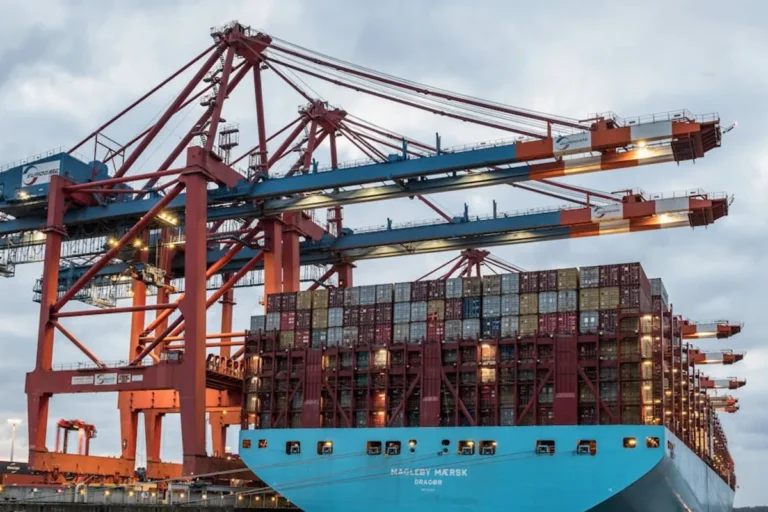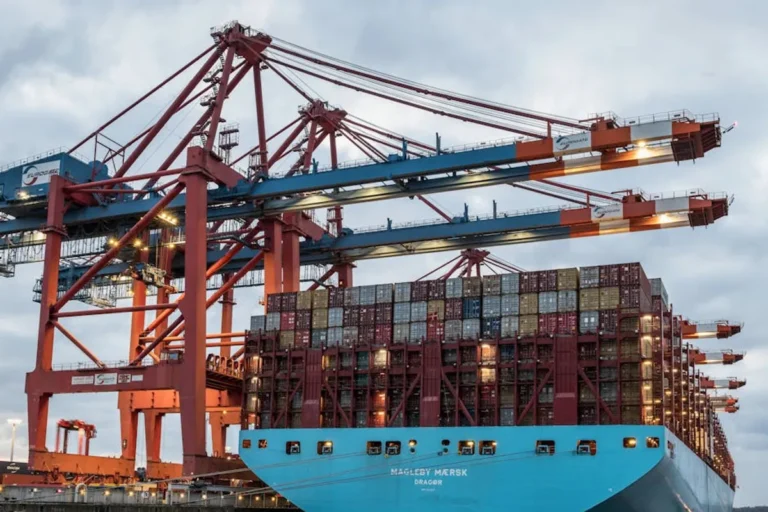
Managing port automation effectively is no longer a strategic option but a critical operational imperative. The shift towards automated port operations promises significant gains in efficiency, safety, and throughput, yet realizing these benefits hinges on meticulous planning and continuous management. For port operators, logistics providers, and stakeholders across the supply chain, understanding the best practices for implementing and sustaining automation is crucial for competitive advantage and long-term viability. This involves navigating complex technological integrations, addressing workforce transitions, ensuring robust cybersecurity, and establishing clear performance benchmarks. The decision to automate, and how to manage that automation, directly impacts cargo flow, operational costs, environmental footprint, and ultimately, a port's capacity to serve global trade demands.
What to Look For in Port Automation Management
Effective port automation management requires a holistic view, extending beyond mere technology deployment. Key considerations include the interoperability of systems, ensuring that new automated solutions integrate seamlessly with existing infrastructure and across different operational silos. Scalability is paramount; chosen solutions and management strategies must accommodate future growth in cargo volume and technological advancements without requiring complete overhauls. Data analytics capabilities are foundational, providing actionable insights from the vast amounts of operational data generated by automated systems, enabling predictive maintenance, optimized resource allocation, and improved decision-making. Furthermore, a strong emphasis on cybersecurity protocols is non-negotiable, protecting critical infrastructure from increasingly sophisticated threats. Finally, the human element cannot be overlooked; successful management strategies incorporate comprehensive training programs and change management initiatives to ensure workforce adaptation and engagement with new automated processes.
1. Implement a Centralized Data Platform
A centralized data platform serves as the backbone for any advanced port automation strategy, aggregating information from disparate systems such as terminal operating systems (TOS), gate automation, crane control, and yard management. This unified repository provides a singular, real-time view of all port activities, from vessel arrival to cargo departure. It enables cross-functional visibility, allowing different departments to access consistent, up-to-date information, thereby reducing communication gaps and improving operational coordination. The platform should support various data formats and integrate with both legacy systems and new IoT devices, ensuring comprehensive data capture and accessibility for analytics.
Best for: Ports seeking to eliminate data silos, enhance real-time operational visibility, and enable data-driven decision-making across all functional areas.
Pros:
- Provides a single source of truth for all operational data, improving accuracy and consistency.
- Facilitates real-time monitoring and control, enabling quicker responses to operational disruptions.
- Supports advanced analytics and predictive modeling for optimizing resource allocation and scheduling.
- Enhances collaboration between different port stakeholders and external partners.
Cons:
- Significant initial investment required for platform development and integration with existing systems.
- Complexity in standardizing data formats and ensuring data quality across diverse sources.
- Requires robust cybersecurity measures to protect sensitive operational data.
- Potential for vendor lock-in if not designed with open standards and interoperability in mind.
Verdict: Essential for modern port automation, a centralized data platform transforms operational oversight and decision-making, despite its considerable upfront costs and integration challenges. Its long-term benefits in efficiency and strategic planning are undeniable.
2. Prioritize Cybersecurity Measures
As port operations become increasingly digitized and interconnected, they become more vulnerable to cyber threats. Prioritizing cybersecurity involves implementing a multi-layered defense strategy that protects operational technology (OT) and information technology (IT) systems. This includes robust firewalls, intrusion detection systems, regular vulnerability assessments, and employee training on security best practices. Specific attention must be paid to securing industrial control systems (ICS) and SCADA networks that directly manage automated equipment. A comprehensive incident response plan is also critical for quickly mitigating the impact of any breach and ensuring operational continuity.
Best for: All ports, especially those with advanced automation, needing to protect critical infrastructure from cyberattacks, data breaches, and operational disruptions.
Pros:
- Protects sensitive operational data and intellectual property from unauthorized access.
- Ensures the integrity and availability of automated systems, preventing costly downtime.
- Mitigates financial losses and reputational damage associated with cyber incidents.
- Helps comply with international cybersecurity regulations and industry standards.
Cons:
- Requires continuous investment in evolving security technologies and expert personnel.
- Can introduce operational complexities and potential latency if not implemented carefully.
- Requires ongoing employee training and awareness programs, which can be challenging to maintain.
- No single solution offers complete protection; threats are constantly evolving.
Verdict: Cybersecurity is not an optional add-on but a fundamental pillar of port automation. Its continuous, proactive management is indispensable for maintaining operational integrity and stakeholder trust.
3. Adopt a Phased Implementation Approach
Implementing port automation is a complex undertaking, often involving significant capital expenditure and operational changes. A phased implementation approach breaks down the large project into smaller, manageable stages, allowing ports to incrementally introduce automated systems. This strategy minimizes disruption to ongoing operations, provides opportunities for learning and adjustment at each phase, and allows for earlier realization of benefits from initial deployments. It also enables better risk management, as issues identified in early phases can be addressed before scaling up, and allows for testing and refinement of new technologies in a controlled environment.
Best for: Ports undertaking large-scale automation projects, particularly those with existing infrastructure, seeking to mitigate risk, manage costs, and ensure operational continuity.
Pros:
- Reduces overall project risk by allowing for adjustments and lessons learned at each stage.
- Minimizes disruption to ongoing port operations, ensuring continued service delivery.
- Allows for a more controlled budget allocation and expenditure over time.
- Facilitates easier integration of new technologies and workforce adaptation.
Cons:
- Can extend the overall project timeline compared to a "big bang" approach.
- Requires careful planning to ensure compatibility and scalability between phases.
- May lead to temporary inefficiencies if different operational areas are automated at varying paces.
- Benefits may be realized more slowly compared to a full, immediate deployment.
Verdict: A phased approach provides a pragmatic and less disruptive path to full automation, offering flexibility and risk reduction, making it a preferred strategy for most large-scale port modernization efforts.
4. Invest in Workforce Training and Reskilling
The introduction of automation inevitably changes job roles and skill requirements within a port. Effective management practices include proactive investment in training and reskilling programs for the existing workforce. This ensures that employees can operate, maintain, and troubleshoot new automated systems, rather than being displaced. Training should cover not only technical skills but also new operational procedures, data analysis, and safety protocols relevant to automated environments. Engaging employees early in the automation process fosters acceptance and leverages their operational experience to optimize new systems.
Best for: All ports implementing automation, to ensure a smooth transition for staff, retain institutional knowledge, and maintain a skilled workforce capable of managing advanced systems.
Pros:
- Ensures a skilled workforce capable of operating and maintaining new automated equipment.
- Minimizes job displacement and fosters employee acceptance of technological changes.
- Retains valuable institutional knowledge and operational experience within the organization.
- Improves safety by educating staff on new automated system protocols and risks.
Cons:
- Significant financial investment required for comprehensive training programs.
- Requires dedicated time and resources, potentially impacting immediate operational output during training periods.
- Curriculum development needs to keep pace with rapidly evolving automation technologies.
- Some roles may still be made redundant, requiring difficult HR decisions.
Verdict: Workforce training is a critical success factor for port automation, transforming potential resistance into operational strength and ensuring human expertise remains central to automated operations.
5. Establish Robust Performance Metrics (KPIs)
To effectively manage port automation, clear and measurable Key Performance Indicators (KPIs) must be established before, during, and after implementation. These KPIs should go beyond traditional metrics to include automation-specific indicators such as automated equipment utilization rates, exception handling efficiency, data accuracy from automated sensors, and the impact on overall turnaround times. Regular monitoring and analysis of these KPIs provide objective data on the performance of automated systems, identify areas for improvement, and demonstrate the return on investment (ROI) of automation initiatives.
Best for: Ports seeking to objectively evaluate the effectiveness of their automation investments, identify operational bottlenecks, and drive continuous improvement.
Pros:
- Provides objective data to measure the success and ROI of automation projects.
- Identifies specific areas where automated systems are underperforming or excelling.
- Enables data-driven decision-making for ongoing optimization and resource allocation.
- Supports accountability and transparency in automation management.
Cons:
- Requires careful definition and selection of relevant metrics to avoid measuring irrelevant data.
- Data collection and analysis infrastructure must be robust and reliable.
- Can be challenging to isolate the impact of automation from other operational factors.
- Over-reliance on metrics can sometimes overshadow qualitative operational insights.
Verdict: Well-defined KPIs are indispensable for validating automation investments and steering continuous improvement, transforming abstract benefits into quantifiable operational gains.
6. Foster Interoperability and Open Standards
The port environment is characterized by a diverse ecosystem of equipment and software from multiple vendors. To avoid vendor lock-in and ensure long-term flexibility, port automation management must prioritize interoperability and adherence to open industry standards. This means selecting systems and solutions that can communicate and exchange data seamlessly with existing and future technologies, regardless of the vendor. Open APIs (Application Programming Interfaces) and standardized communication protocols are crucial for building a flexible and scalable automation architecture that can evolve with technological advancements and changing operational needs.
Best for: Ports aiming to build a flexible, future-proof automation infrastructure, avoid vendor lock-in, and integrate diverse technologies efficiently.
Pros:
- Enables seamless integration of different systems and equipment from various vendors.
- Reduces the risk of vendor lock-in and provides greater flexibility in technology choices.
- Facilitates future upgrades and expansions without requiring extensive re-engineering.
- Promotes innovation by allowing the integration of best-of-breed solutions.
Cons:
- Finding truly open and interoperable solutions can sometimes be challenging in a fragmented market.
- Requires careful planning and adherence to standards during procurement and implementation.
- Initial integration efforts might still be complex despite adherence to standards.
- May require custom development to bridge gaps between different systems.
Verdict: Prioritizing interoperability and open standards is a strategic imperative, ensuring that port automation systems remain adaptable, scalable, and resilient against rapid technological shifts.
7. Leverage AI and Machine Learning for Predictive Analytics
Beyond basic automation, integrating Artificial Intelligence (AI) and Machine Learning (ML) capabilities elevates port operations to a predictive and prescriptive level. These technologies can analyze vast datasets from automated systems to identify patterns, predict equipment failures, optimize resource allocation (e.g., crane scheduling, yard stacking), and forecast demand fluctuations. Predictive analytics enables proactive decision-making, reducing unexpected downtime, improving efficiency, and enhancing overall operational resilience. AI-powered vision systems can also improve safety and security by detecting anomalies or unsafe conditions in real-time.
Best for: Ports aiming for advanced optimization, predictive maintenance, demand forecasting, and intelligent resource management to achieve peak operational efficiency.
Pros:
- Enables proactive maintenance, reducing unexpected equipment downtime and repair costs.
- Optimizes complex operational processes like yard planning and vessel scheduling, improving throughput.
- Provides highly accurate demand forecasting, allowing for better resource allocation.
- Enhances safety and security through intelligent monitoring and anomaly detection.
Cons:
- Requires significant investment in data infrastructure, AI/ML platforms, and specialized expertise.
- The quality and volume of historical data are critical for effective model training.
- Potential for algorithmic bias if data inputs are not representative or carefully managed.
- Integration with existing operational systems can be complex.
Verdict: AI and ML transform automation from reactive to predictive, unlocking new levels of efficiency and resilience, but demand substantial data and technical investment.
8. Develop a Comprehensive Maintenance and Support Strategy
Automated port equipment, from automated guided vehicles (AGVs) to sophisticated crane systems, requires specialized maintenance to ensure continuous operation. A comprehensive maintenance and support strategy includes scheduled preventive maintenance, predictive maintenance leveraging sensor data, and a rapid response plan for unexpected breakdowns. This strategy should define service level agreements (SLAs) with vendors, ensure the availability of spare parts, and establish a skilled technical team capable of diagnosing and repairing complex automated machinery. Remote monitoring and diagnostics can also play a significant role in minimizing downtime.
Best for: All ports with automated systems, to maximize uptime, extend equipment lifespan, and minimize operational disruptions from mechanical or software failures.
Pros:
- Maximizes the uptime and operational availability of automated equipment.
- Extends the lifespan of expensive machinery, protecting capital investments.
- Reduces the likelihood of unexpected breakdowns and associated operational delays.
- Ensures safety by maintaining equipment in optimal working condition.
Cons:
- Requires significant investment in specialized maintenance personnel, tools, and spare parts inventory.
- Developing effective predictive maintenance models can be data-intensive and complex.
- Reliance on external vendors for specialized support can lead to dependencies.
- Balancing preventive maintenance schedules with operational demands can be challenging.
Verdict: A robust maintenance strategy is non-negotiable for sustaining the benefits of port automation, directly impacting operational reliability and the long-term ROI of automated assets.
9. Ensure Regulatory Compliance and Safety Protocols
Port automation must operate within a complex framework of national and international regulations, including safety standards, environmental protection laws, and labor regulations. Effective management ensures that all automated systems and operational procedures comply with these requirements. This involves conducting thorough safety assessments, implementing fail-safe mechanisms, adhering to environmental impact assessments for new equipment, and ensuring that automation does not compromise worker safety or create new hazards. Regular audits and certifications are necessary to demonstrate ongoing compliance and mitigate legal and operational risks.
Best for: All ports, to ensure legal and operational compliance, mitigate risks, protect personnel, and maintain environmental responsibility in an automated environment.
Pros:
- Ensures legal compliance, avoiding fines, penalties, and operational shutdowns.
- Protects the safety and well-being of port personnel and visitors.
- Maintains environmental responsibility and reduces the port's ecological footprint.
- Enhances the port's reputation and social license to operate.
Cons:
- Compliance requirements can be complex and vary by jurisdiction, requiring continuous monitoring.
- Implementing necessary safety features and environmental controls can add to project costs.
- Requires dedicated resources for audits, documentation, and regulatory reporting.
- Balancing operational efficiency with strict compliance can sometimes be challenging.
Verdict: Regulatory compliance and safety are foundational for port automation, ensuring operations are not only efficient but also legal, ethical, and responsible.
10. Optimize Gate and Yard Management Systems
The efficiency of cargo flow within a port heavily relies on optimized gate and yard management. Automation in these areas involves technologies like optical character recognition (OCR) for container identification, automated gate systems for truck processing, and sophisticated yard management systems (YMS) for intelligent stacking and retrieval. Effective management ensures these systems are integrated with the TOS and central data platform, minimizing truck turnaround times, reducing congestion, and optimizing yard utilization. This leads to faster cargo processing, reduced operational costs, and improved customer satisfaction.
Best for: Ports looking to significantly reduce truck turnaround times, optimize yard space utilization, and streamline the flow of cargo from gate to vessel and vice-versa.
Pros:
- Significantly reduces truck processing times at gates, alleviating congestion.
- Optimizes yard space utilization, allowing for higher container throughput.
- Enhances security through automated identification and tracking of containers and vehicles.
- Improves overall operational efficiency and reduces manual errors in cargo handling.
Cons:
- High initial investment for OCR technology, automated gates, and YMS software.
- Requires robust integration with other port systems to achieve full benefits.
- System failures can cause significant bottlenecks if not managed with redundancy.
- Requires careful planning to manage traffic flow during implementation.
Verdict: Optimizing gate and yard management through automation is a direct pathway to tangible efficiency gains, reducing bottlenecks and enhancing overall port throughput.
11. Integrate with Broader Supply Chain Systems
For port automation to deliver its full potential, it must not operate in isolation. Effective management extends to integrating port systems with broader supply chain networks, including shipping lines, customs authorities, freight forwarders, and inland logistics providers. This involves sharing real-time data on cargo status, vessel schedules, and customs clearances through secure digital platforms. Such integration improves end-to-end visibility, enables predictive logistics planning, reduces delays, and enhances the overall efficiency and resilience of the entire supply chain, benefiting all stakeholders.
Best for: Ports aiming to position themselves as critical nodes in global supply chains, offering enhanced visibility, reduced lead times, and seamless data exchange with partners.
Pros:
- Provides end-to-end visibility across the entire supply chain, from origin to destination.
- Enables proactive problem-solving and reduces delays for all stakeholders.
- Enhances collaboration and data exchange with shipping lines, customs, and logistics providers.
- Improves overall supply chain efficiency and resilience against disruptions.
Cons:
- Requires standardization of data formats and protocols across multiple external entities.
- Complex legal and commercial agreements needed for data sharing.
- Cybersecurity risks are amplified with increased external data exchange.
- Resistance from external partners to share data or integrate systems.
Verdict: Integrating port automation with the wider supply chain is a strategic move that elevates a port's value proposition, transforming it into a seamless, intelligent logistics hub.
12. Conduct Regular Technology Audits and Upgrades
The landscape of automation technology evolves rapidly. A critical best practice for managing port automation is to conduct regular technology audits and plan for periodic upgrades. These audits assess the performance, security, and relevance of existing automated systems against current industry benchmarks and future operational needs. This proactive approach ensures that the port This approach also helps prevent common automation mistakes to avoid in port operations.