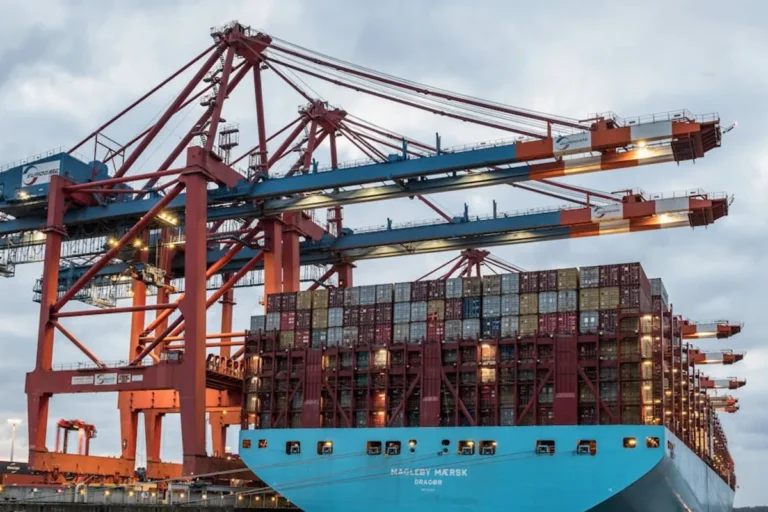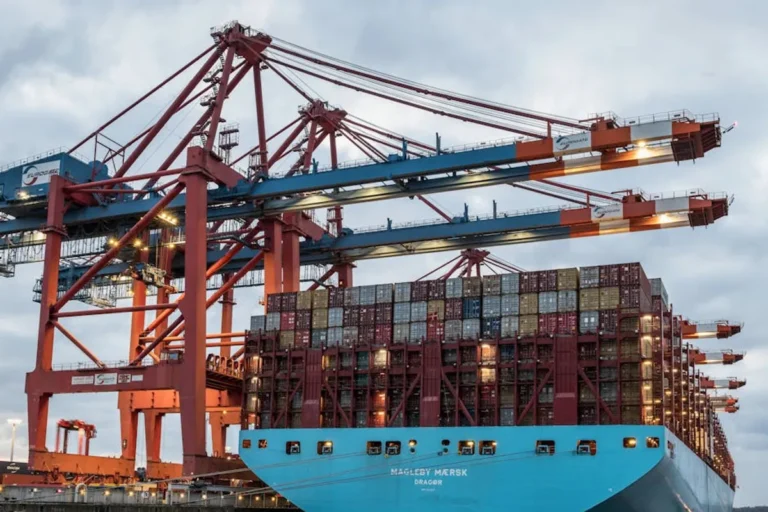
Effective cargo tracking is not merely about knowing where a shipment is; it is about optimizing logistics, enhancing customer satisfaction, mitigating risks, and driving operational efficiencies across the entire supply chain. For businesses operating in a globalized economy, the ability to monitor goods in transit with precision and communicate that information effectively can be a significant competitive differentiator. The decision to invest in and implement robust cargo tracking practices directly impacts delivery reliability, inventory management, and ultimately, profitability. Understanding the various approaches and technologies available is crucial for any organization aiming to streamline its supply chain operations and meet evolving customer expectations for transparency and speed.
How to Choose a Cargo Tracking Solution
Selecting the appropriate cargo tracking solution requires a clear understanding of specific operational needs, existing infrastructure, and long-term strategic goals. Begin by assessing the types of cargo handled, typical shipping routes, and the required level of real-time visibility. Consider the integration capabilities with current enterprise resource planning (ERP) or warehouse management systems (WMS) to avoid data silos and manual reconciliation. Evaluate the scalability of the solution, ensuring it can accommodate future growth in shipment volume or geographical reach. Data security and compliance with relevant industry regulations are non-negotiable considerations, especially for sensitive goods or international movements. Finally, analyze the total cost of ownership, including subscription fees, implementation costs, training, and ongoing support, to ensure alignment with budgetary constraints and a justifiable return on investment.
1. Real-time GPS/IoT Telematics Platforms
These platforms leverage Global Positioning System (GPS) technology combined with Internet of Things (IoT) sensors embedded in or attached to cargo, vehicles, or containers. They provide continuous, granular location data, often updated every few minutes, allowing for precise monitoring of a shipment's journey. Beyond location, advanced IoT sensors can track environmental conditions like temperature, humidity, shock, and light exposure, which is critical for perishable goods or sensitive electronics. The data is transmitted to a central dashboard, offering a live map view and historical route playback. This approach moves beyond periodic updates to provide a constant digital pulse of the cargo's status.
Best for: High-value cargo, time-sensitive deliveries, cold chain logistics, and shipments requiring strict environmental monitoring.
Pros:
- Provides highly accurate, continuous location data.
- Enables proactive intervention in case of delays or deviations.
- Offers detailed telemetry for condition monitoring (temperature, shock).
- Enhances security through geofencing and motion alerts.
Cons:
- Higher initial hardware and subscription costs compared to basic tracking.
- Requires power sources for devices, which can be a limitation for long hauls without recharging.
- Potential for signal loss in remote areas or inside metal containers.
- Data volume can be extensive, requiring robust analytics capabilities.
Verdict: Essential for operations where real-time situational awareness and cargo integrity are paramount, justifying the investment through reduced losses and improved service levels.
2. Integrated Enterprise Resource Planning (ERP) Logistics Modules
An ERP system with a dedicated logistics or supply chain management module centralizes all operational data, from order placement and inventory to warehousing and transportation. Cargo tracking within an ERP is not a standalone system but an integrated function that pulls data from carriers, internal systems, and sometimes external tracking platforms. This integration provides a holistic view of the order lifecycle, allowing for seamless data flow between sales, procurement, production, and shipping departments. It ensures that tracking information is contextualized within broader business processes, facilitating better decision-making and resource allocation.
Best for: Large enterprises with complex supply chains, multiple business units, and existing ERP infrastructure seeking unified data management.
Pros:
- Centralized data management reduces silos and improves data consistency.
- Automates workflows from order to delivery, enhancing efficiency.
- Provides a comprehensive view of costs and performance across the supply chain.
- Supports advanced planning and forecasting based on integrated data.
Cons:
- High implementation costs and long deployment times.
- Requires significant customization to fit specific business processes.
- Integration with external carrier systems can be complex and costly.
- Steep learning curve for users unfamiliar with comprehensive ERP systems.
Verdict: A strategic investment for organizations prioritizing data unification and end-to-end process automation, leading to significant long-term operational gains.
3. Cloud-Based Supply Chain Visibility Platforms
These platforms act as a central hub, aggregating tracking data from various sources—carriers, telematics devices, port systems, and customs—into a single, accessible cloud interface. They offer multi-modal tracking capabilities, covering road, rail, ocean, and air freight. The key benefit is the provision of a single pane of glass for all shipments, regardless of the carrier or mode of transport. These platforms often include advanced analytics, predictive capabilities for estimated time of arrival (ETA), and collaborative features for sharing information with partners and customers.
Best for: Companies using multiple carriers and modes of transport, 3PLs, and those needing a consolidated view of their entire logistics network.
Pros:
- Consolidates tracking data from disparate sources into one platform.
- Offers multi-modal and multi-carrier visibility.
- Provides predictive ETAs and delay alerts.
- Enhances collaboration and information sharing across the supply chain.
Cons:
- Reliance on carrier data feeds, which can vary in quality and timeliness.
- Subscription costs can be substantial, especially for advanced features.
- Integration with existing internal systems may require effort.
- Data security and privacy concerns with third-party cloud solutions.
Verdict: An effective solution for achieving comprehensive oversight and proactive management of complex, multi-leg shipments, improving responsiveness and customer communication.
4. Blockchain-Enabled Traceability Solutions
Blockchain technology offers a decentralized, immutable ledger for recording every step of a product's journey from origin to destination. Each transaction, such as a change in custody, location update, or quality inspection, is recorded as a block in the chain, creating an unalterable audit trail. This provides unparalleled transparency and trust, as all participants in the supply chain can access the same verified information. While not a real-time tracking solution in the GPS sense, it provides robust data integrity and provenance for critical milestones.
Best for: Industries with high regulatory compliance, counterfeit concerns, or complex multi-party supply chains (e.g., pharmaceuticals, luxury goods, food safety).
Pros:
- Ensures data integrity and prevents tampering.
- Provides verifiable proof of origin and chain of custody.
- Enhances trust among supply chain partners.
- Streamlines compliance and auditing processes.
Cons:
- Implementation is complex and requires industry-wide adoption for full benefit.
- Scalability can be an issue with very high transaction volumes.
- High initial investment in technology and infrastructure.
- Not a real-time location tracker; relies on event-based data entry.
Verdict: A transformative technology for establishing verifiable trust and transparency in supply chains, particularly valuable where product authenticity and regulatory compliance are paramount.
5. Customer-Facing Tracking Portals
These are web-based interfaces or mobile applications designed specifically for end-customers to track their shipments. Instead of customers contacting support for updates, they can self-serve by entering a tracking number to view real-time status, location, and estimated delivery times. These portals often include branding elements, personalized messages, and options for delivery rescheduling or communication with the delivery driver. They leverage data from internal tracking systems or carrier APIs to present simplified, actionable information to the consumer.
Best for: E-commerce businesses, retailers, and any company shipping directly to consumers, aiming to improve customer experience and reduce support inquiries.
Pros:
- Significantly improves customer satisfaction and trust.
- Reduces inbound customer service calls related to delivery status.
- Provides proactive delivery notifications and options.
- Strengthens brand perception through transparent communication.
Cons:
- Requires robust integration with underlying tracking systems.
- Data accuracy is paramount; incorrect information can frustrate customers.
- Development and maintenance costs for a custom portal can be high.
- May expose sensitive logistics details if not carefully designed.
Verdict: A crucial component of a modern delivery strategy, directly contributing to customer loyalty and operational efficiency by empowering self-service tracking.
6. Predictive Analytics and AI for ETA Optimization
This approach uses artificial intelligence (AI) and machine learning algorithms to analyze vast datasets, including historical delivery times, traffic patterns, weather forecasts, route conditions, and driver behavior. By processing these variables, the system can generate highly accurate estimated times of arrival (ETAs) and dynamically adjust them as conditions change. It moves beyond static schedules to provide a continuously refined prediction, enabling proactive communication and better resource planning. Some systems can even suggest alternative routes or actions to mitigate potential delays.
Best for: Logistics providers, freight forwarders, and companies with complex delivery networks where precise timing and proactive delay management are critical.
Pros:
- Significantly improves ETA accuracy, reducing uncertainty.
- Enables proactive identification and mitigation of potential delays.
- Optimizes route planning and resource allocation.
- Enhances customer communication with more reliable delivery windows.
Cons:
- Requires substantial historical data for effective model training.
- Initial investment in AI/ML infrastructure and expertise can be high.
- Accuracy is dependent on the quality and breadth of input data.
- Models need continuous refinement and monitoring.
Verdict: A sophisticated practice that transforms reactive tracking into proactive management, offering a distinct competitive advantage through superior planning and customer service.
7. Automated Notification Systems (SMS/Email)
Automated notification systems trigger alerts and updates to relevant stakeholders—customers, warehouse staff, drivers, or managers—via SMS, email, or in-app messages. These notifications can be configured for various events: shipment dispatched, in transit, near destination, delivered, or delayed. They act as a critical communication layer, ensuring everyone is informed without manual intervention. This practice reduces the burden on customer service teams and keeps all parties aligned on shipment status.
Best for: All businesses involved in shipping, particularly those with high shipment volumes or a need for consistent, timely communication.
Pros:
- Ensures timely communication to all stakeholders.
- Reduces manual effort for status updates.
- Improves customer experience through proactive alerts.
- Can be integrated with other tracking platforms easily.
Cons:
- Over-notification can lead to message fatigue.
- Requires careful configuration to send relevant, non-redundant updates.
- Costs associated with SMS messages can add up for high volumes.
- Reliability depends on the underlying tracking data accuracy.
Verdict: A foundational best practice for enhancing communication and efficiency, ensuring that critical information reaches the right people at the right time.
8. API-First Integration for Custom Systems
An API-first approach means that cargo tracking data and functionalities are primarily exposed through Application Programming Interfaces (APIs). This allows businesses to seamlessly integrate tracking capabilities directly into their existing custom-built systems, such as proprietary ERPs, CRM platforms, or customer portals, without relying on vendor-specific front-ends. It offers maximum flexibility and control over how tracking data is consumed, displayed, and utilized within an organization's unique operational ecosystem. This practice enables deep customization and automation.
Best for: Businesses with unique operational workflows, existing custom software, or those requiring highly specific data integration and presentation.
Pros:
- Offers maximum flexibility for custom integration and data utilization.
- Enables deep automation of tracking-related processes.
- Reduces reliance on vendor-specific UIs and workflows.
- Allows for consolidation of data into a single, internal system.
Cons:
- Requires internal development resources and expertise.
- Initial setup can be complex and time-consuming.
- Ongoing maintenance and updates to API integrations are necessary.
- Dependency on API stability and documentation from tracking providers.
Verdict: The preferred method for organizations seeking tailored tracking solutions that are deeply embedded into their core business applications, offering unparalleled control and customization.
9. Carrier-Specific Tracking Aggregators
These platforms specialize in consolidating tracking information from a multitude of individual shipping carriers (e.g., postal services, express couriers, freight lines) into a single interface. Instead of logging into multiple carrier websites, users can input tracking numbers from different providers into one aggregator to get a unified status update. This approach simplifies the tracking process for businesses that utilize a diverse portfolio of carriers for different shipment types or destinations. It primarily focuses on data consolidation rather than real-time sensor data.
Best for: E-commerce businesses, online marketplaces, and individuals who frequently ship with various carriers and need a simplified tracking overview.
Pros:
- Simplifies tracking across multiple carriers from one dashboard.
- Reduces manual effort of checking individual carrier sites.
- Often provides standardized status updates across different providers.
- Easy to implement and generally cost-effective for basic tracking.
Cons:
- Relies entirely on the accuracy and timeliness of carrier data.
- May lack advanced features like condition monitoring or predictive ETAs.
- Limited customization options for branding or specific workflows.
- Some niche or regional carriers may not be supported.
Verdict: An efficient and practical solution for streamlining multi-carrier tracking, best suited for businesses prioritizing ease of use and broad carrier coverage.
10. Cold Chain Monitoring Solutions
Specifically designed for temperature-sensitive cargo, these solutions integrate specialized IoT sensors that continuously monitor and record temperature and humidity levels throughout the entire journey. They often include geo-fencing capabilities to trigger alerts if a shipment deviates from a pre-defined route or if temperatures fall outside acceptable ranges. Data logging is crucial for compliance with regulations and for providing auditable proof of proper handling. These systems often include features for generating compliance reports and analyzing temperature excursions.
Best for: Pharmaceuticals, food and beverage, chemicals, and other industries where maintaining specific environmental conditions during transit is critical for product integrity and safety.
Pros:
- Ensures product integrity by maintaining required environmental conditions.
- Provides auditable data for regulatory compliance and quality control.
- Proactive alerts prevent costly spoilage or damage.
- Reduces liability and insurance claims related to improper handling.
Cons:
- Higher equipment and sensor costs.
- Requires specialized handling and installation of sensors.
- Data management and analysis can be complex due to high volume.
- Battery life of sensors can be a concern for very long hauls.
Verdict: Indispensable for industries where temperature control is non-negotiable, safeguarding product quality, regulatory compliance, and consumer safety.
11. Last-Mile Delivery Optimization Software
Focused on the final, most complex, and often most expensive leg of the delivery journey, this software optimizes route planning, driver scheduling, and real-time dispatch. It integrates tracking data from vehicles and drivers, providing live updates on delivery progress, driver location, and estimated arrival times for individual stops. Features often include proof of delivery (POD) capture (e.g., photo, signature), customer communication tools, and dynamic re-routing capabilities to adapt to traffic or unexpected delays. This practice directly impacts customer satisfaction and delivery efficiency.
Best for: Retailers, e-commerce companies, food delivery services, and any business with a direct-to-consumer delivery model or extensive local distribution.
Pros:
- Optimizes delivery routes, reducing fuel costs and delivery times.
- Enhances customer experience with precise ETAs and communication.
- Improves driver efficiency and productivity.
- Provides digital proof of delivery for dispute resolution.
Cons:
- Can be costly for small operations with low delivery volumes.
- Requires robust integration with order management and tracking systems.
- Dependency on driver adherence to software instructions.
- Real-time traffic data integration is crucial but can be costly.
Verdict: A critical investment for businesses where the last mile defines the customer experience, delivering significant improvements in efficiency and service quality.
12. Geofencing and Route Deviation Alerts
Geofencing involves creating virtual geographical boundaries around specific locations, such as warehouses, distribution centers, customer delivery points, or permitted routes. When a tracked asset (vehicle or cargo) enters or exits these predefined zones, or deviates from a specified route, an automated alert is triggered. These alerts can be sent to logistics managers, security personnel, or even customers. This practice enhances security, ensures compliance with delivery protocols, and provides proactive warnings for potential issues like theft or unauthorized stops.
Best for: High-security cargo, managing fleet operations, ensuring adherence to specific routes, and optimizing yard management at logistics hubs.
Pros:
- Enhances security by detecting unauthorized movements or stops.
- Ensures compliance with planned routes and delivery schedules.
- Automates arrival and departure notifications for efficiency.
- Provides proactive alerts for potential theft or operational deviations.
Cons:
- Requires accurate mapping and definition of geofences.
- Potential for false alerts if boundaries are too tight or GPS is imprecise.
- Can generate a high volume of alerts, requiring careful management.
- Effectiveness depends on reliable GPS tracking data.
Verdict: A powerful security and operational control feature that provides critical, automated oversight for valuable cargo and fleet movements, enabling rapid response to exceptions.
Choosing the Right Provider
When selecting a cargo tracking provider, move beyond feature lists to evaluate their underlying technology stack, data security protocols, and customer support capabilities. A robust provider will offer flexible integration options, including well-documented APIs, to ensure seamless data flow with your existing systems. Prioritize providers with a proven track record in your specific industry or with similar logistical complexities. Conduct pilot programs with selected vendors to test their solution's performance in real-world scenarios, assessing data accuracy, system reliability, and user-friendliness. Consider the provider's scalability to support your business growth and their commitment to ongoing innovation, ensuring the solution remains relevant as technology and your needs evolve. Finally, scrutinize service level agreements (SLAs) for uptime guarantees, response times for support, and data ownership policies.
Frequently Asked Questions About Cargo Tracking
What is the primary benefit of real-time cargo tracking?
The primary benefit is enhanced visibility, allowing businesses to monitor shipments continuously, anticipate delays, and react proactively to unforeseen circumstances. This leads to improved operational efficiency, better customer communication, and reduced risk of loss or damage.
How does cargo tracking improve customer satisfaction?
Cargo tracking improves customer satisfaction by providing transparency and control. Customers can access real-time updates on their shipments, reducing anxiety and the need to contact customer service. Proactive notifications and accurate ETAs build trust and improve the overall delivery experience.
Is cargo tracking only for large enterprises?
No, cargo tracking solutions are scalable and available for businesses of all sizes. While large enterprises may use complex integrated systems, smaller businesses can benefit from more streamlined, cloud-based platforms or carrier-specific aggregators to gain essential visibility.
What are the key security considerations for cargo tracking data?
Key security considerations include data encryption during transit and at rest, secure access controls, compliance with data privacy regulations (e.g., GDPR), and protection against unauthorized access or cyber threats. Choosing a provider with robust security protocols and certifications is crucial.
Can cargo tracking help reduce operational costs?
Yes, by optimizing routes, reducing fuel consumption, improving delivery efficiency, and minimizing losses due to