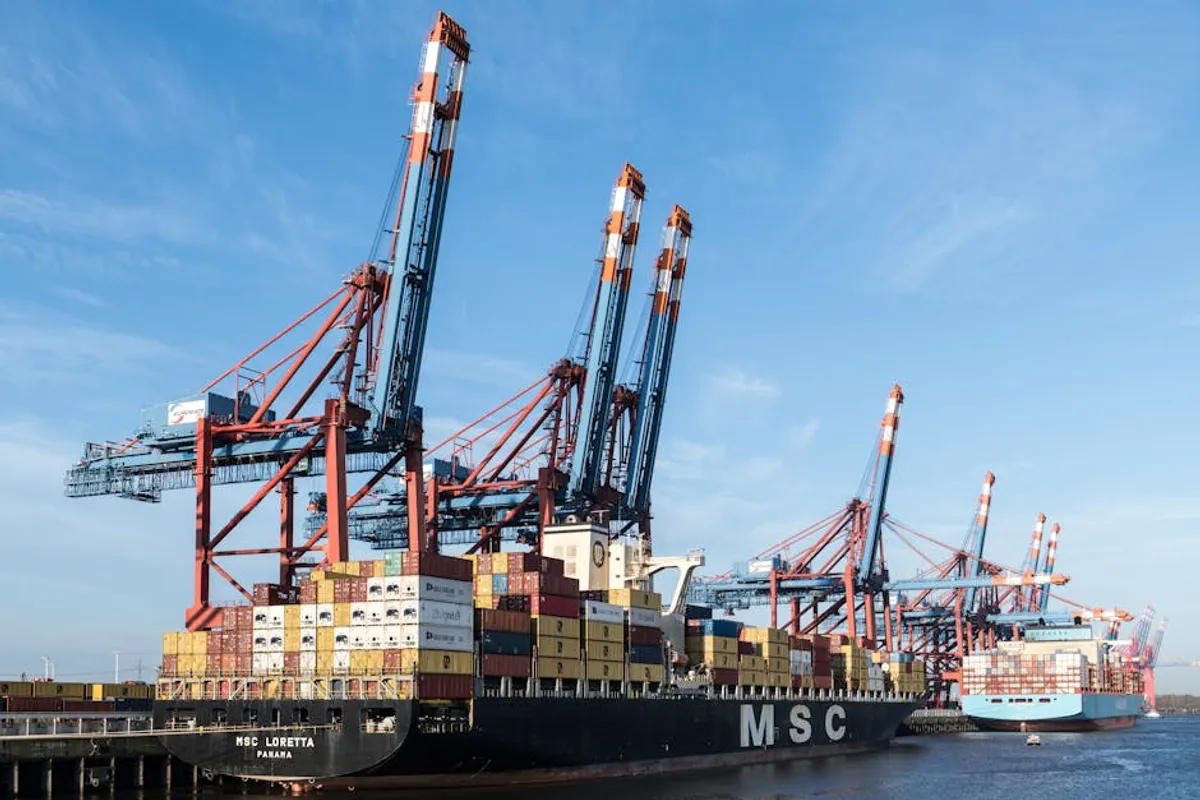
Demurrage represents a significant, often unexpected, cost in the global shipping industry. For businesses relying on international trade, understanding demurrage is not merely an administrative detail; it is a critical component of financial planning and supply chain efficiency. These charges, levied by shipping lines and port authorities, can quickly erode profit margins if not properly managed, turning a well-negotiated freight rate into a costly liability. Recognizing the specific triggers and calculation methods for demurrage allows logistics managers and business owners to implement proactive strategies, safeguarding budgets and maintaining operational flow.
Understanding Demurrage Charges
Demurrage refers to the penalty charges applied when cargo remains at a port or terminal beyond the agreed-upon "free time" period. This free time is the duration, typically measured in days, that a shipping line or terminal operator allows for the importer to pick up their loaded container from the port and return the empty container to the designated depot without incurring additional fees. Once this free time expires, demurrage charges begin to accrue daily until the container is cleared from the terminal.
The primary purpose of demurrage is to compensate the shipping carrier for the use of their equipment (the container) and the space it occupies at the terminal. It also serves as an incentive for shippers to expedite the clearance and pickup of their cargo, thereby ensuring a smooth flow of goods through congested ports and maximizing the utilization of valuable port infrastructure and carrier assets.
When Demurrage Applies
Demurrage charges are typically incurred at the destination port. The clock for free time usually starts ticking from the moment the vessel arrives at the port or, in some cases, when the container is discharged from the vessel and made available for pickup. The exact start time and duration of free time are specified in the Bill of Lading or the carrier's tariff.
Common Causes of Demurrage
Demurrage charges often arise from delays that occur after the cargo has arrived at the destination port. Identifying these common pitfalls is the first step in prevention:
- Customs Clearance Delays: Incomplete or incorrect documentation, unexpected inspections, or changes in import regulations can hold up cargo at customs.
- Documentation Errors: Discrepancies between the Bill of Lading, commercial invoice, or packing list can lead to holds by customs or the carrier.
- Port Congestion: Overwhelmed ports, labor shortages, or severe weather conditions can prevent timely offloading or pickup of containers.
- Logistical Challenges: Lack of available trucks or chassis, driver shortages, or difficulties in arranging drayage can delay container movement from the port.
- Payment Issues: Delays in freight payment or other charges can prevent the release of the Bill of Lading or the cargo itself.
- Lack of Communication: Poor coordination between the importer, customs broker, freight forwarder, and trucking company can lead to missed deadlines.
Pro Tip: Always secure pre-clearance for customs whenever possible. Providing all necessary documentation to your customs broker well in advance of the vessel's arrival can significantly reduce the risk of delays that lead to demurrage.
Demurrage vs. Detention: A Key Distinction
While often conflated, demurrage and detention are distinct charges, though both relate to the extended use of a shipping carrier's equipment.
- Demurrage: Applies to the time a loaded container sits at the port or terminal beyond the free time. It's a charge for occupying port space and carrier equipment within the terminal.
- Detention: Applies to the time a container is held by the consignee outside the port or terminal beyond the free time. This typically occurs when the importer picks up the loaded container but delays returning the empty container to the designated depot. Detention is a charge for the extended use of the carrier's equipment (the container itself) while it is off-terminal.
Understanding this difference is crucial for managing costs, as both can accumulate rapidly and are charged independently.
Calculating Demurrage Costs
Demurrage rates are typically set by the individual shipping lines and can vary significantly based on the carrier, port, equipment type, and the specific trade lane. Rates are usually applied on a per-day basis and often escalate after a certain number of days. For example, the first few days past free time might incur a lower daily rate, which then increases for subsequent days.
Example: A carrier might offer 5 days of free time. After that, the charge could be $100 per day for days 6-10, and $150 per day for days 11 and beyond. If a container is held for 12 days, the demurrage would be (5 days free) + (5 days x $100) + (2 days x $150) = $500 + $300 = $800.
These rates are typically published in the carrier's tariff and should be reviewed during the booking process. Negotiating extended free time, especially for high-volume shippers, can be a valuable strategy to mitigate these potential costs.
Strategies to Mitigate Demurrage Costs
Proactive planning and efficient execution are essential to minimize exposure to demurrage charges:
- Accurate Documentation: Ensure all shipping documents are correct, complete, and submitted well in advance. Double-check commodity codes, consignee details, and customs declarations.
- Pre-Alerts and Communication: Maintain clear and constant communication with all parties involved: supplier, freight forwarder, customs broker, and trucking company. Ensure everyone is aware of the cargo's ETA and required actions.
- Early Customs Clearance: Arrange for customs clearance to begin before the vessel even arrives at the port. Many customs brokers can initiate the process with preliminary documents.
- Monitor Shipments Closely: Utilize carrier tracking tools to monitor the vessel's progress and estimated arrival times. Be prepared for potential delays and adjust plans accordingly.
- Pre-Arrange Drayage: Book trucking services and secure chassis well before the container is available for pickup. Trucking capacity can be limited, especially during peak seasons.
- Negotiate Free Time: For regular or high-volume shipments, negotiate extended free time with your shipping carrier. This added buffer can be invaluable.
- Understand Carrier Tariffs: Familiarize yourself with the demurrage and detention tariffs of your chosen carriers for each port of call.
Navigating Demurrage Charges
While prevention is the best strategy, sometimes demurrage charges are unavoidable due to circumstances beyond direct control. In such cases, understanding your options is key:
Reviewing the Charges: Scrutinize any demurrage invoice for accuracy. Verify the free time calculation, daily rates, and the dates for which charges were applied. Discrepancies can occur.
Appealing Charges: If demurrage was incurred due to carrier error, port issues (like equipment breakdown or severe congestion not covered by force majeure clauses), or other verifiable external factors, it may be possible to appeal the charges. This typically requires detailed documentation and evidence.
Negotiation: While not always successful, negotiation for a reduction or waiver of charges is sometimes possible, especially if you have a strong relationship with the carrier or if the delay was truly exceptional and well-documented. Presenting a clear case with supporting evidence is crucial.
Ultimately, a robust understanding of demurrage, coupled with diligent planning and communication, forms a critical component of effective logistics management. It transforms a potential financial drain into a controllable element of the supply chain.
Frequently Asked Questions
Who is responsible for paying demurrage charges?
Typically, the consignee (importer) is responsible for paying demurrage charges, as they are the party responsible for clearing the goods from the port within the allotted free time. However, the specific terms of sale (Incoterms) and contractual agreements between parties can shift this responsibility.
Can demurrage charges be waived?
Waiver of demurrage charges is rare but possible under specific circumstances, such as proven carrier error, port strikes, or other force majeure events that directly caused the delay. It often requires a formal appeal with substantial evidence to the shipping line.
How is free time for demurrage determined?
Free time is determined by the shipping carrier, based on factors like the port of discharge, equipment type, and the specific service contract. It is usually outlined in the Bill of Lading or the carrier's published tariff rates.
Is demurrage negotiable before booking a shipment?
Yes, for high-volume shippers or those with specific logistical needs, it is often possible to negotiate extended free time for demurrage and detention as part of the overall freight contract with the shipping carrier. This should be discussed and agreed upon before the shipment is booked.