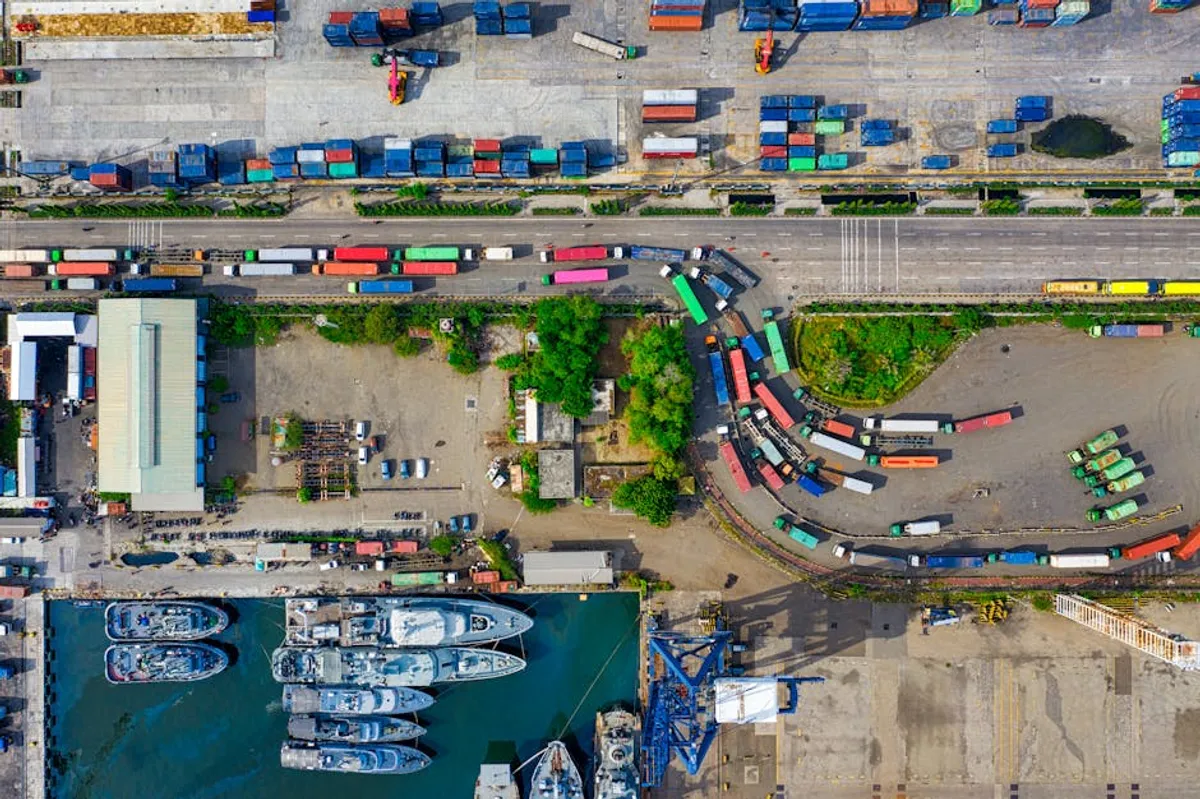
Port congestion represents a critical bottleneck in global trade, directly impacting supply chain efficiency and profitability. Businesses reliant on international shipping face constant challenges from unpredictable delays, necessitating a clear understanding of their origins and the timely acquisition of accurate updates. These delays translate into higher operational costs, extended lead times, and potential disruptions to production schedules and market supply. Navigating this volatile environment requires more than just tracking shipments; it demands insight into the systemic factors causing these choke points and how to interpret the available information to make informed logistical decisions.
Understanding Port Congestion Dynamics
Port congestion occurs when a port’s operational capacity is overwhelmed by the volume of cargo or vessels. This imbalance can manifest in various ways, from ships waiting at anchor for berths to unload, to container yards overflowing with goods awaiting inland transport. The cumulative effect is a slowdown across the entire logistics chain, impacting not only the immediate port operations but also inland transportation networks, warehousing, and ultimately, consumer markets. The issue is rarely isolated to a single event but rather a complex interplay of internal port limitations and external global pressures.
Causes of Port Congestion: A Multi-faceted Problem
Delays in port operations stem from a combination of predictable and unpredictable factors, each contributing to the overall slowdown. Identifying these root causes is essential for businesses to anticipate potential disruptions and adapt their supply chain strategies.
- Extreme Weather and Natural Disasters: Hurricanes, typhoons, heavy fog, and even severe cold snaps can force port closures, restrict vessel movement, or damage infrastructure. These events create immediate backlogs that can take weeks or months to clear, even after conditions improve.
- Labor Dynamics and Industrial Actions: Shortages of dockworkers, truck drivers, or other essential personnel can severely limit a port's ability to process cargo. Labor disputes, strikes, or slowdowns further exacerbate these issues, halting operations and creating significant backlogs that ripple through the supply chain.
- Geopolitical Tensions and Trade Policies: Shifting trade alliances, new tariffs, sanctions, or regional conflicts can alter shipping routes, increase inspection requirements, or restrict access to certain ports. Such changes introduce unpredictability and can divert cargo to less equipped or already congested ports.
- Inadequate Infrastructure and Equipment: Older ports or those with insufficient berth space, crane capacity, or storage facilities are inherently more susceptible to congestion. A lack of investment in modernizing equipment or expanding capacity means these ports struggle to handle increased cargo volumes efficiently.
- Unforeseen Demand Spikes and Supply Chain Disruptions: Sudden surges in consumer demand, often driven by economic shifts or global events, can overwhelm port capacity. Similarly, disruptions upstream in the supply chain, such as factory shutdowns or material shortages, can lead to irregular vessel arrivals and cargo accumulation.
- Cybersecurity Incidents and Operational Failures: Cyberattacks targeting port operating systems, or critical equipment malfunctions (e.g., crane breakdowns, gate system failures), can bring operations to a standstill. These incidents, while often temporary, can have a disproportionately large impact on port efficiency and lead to significant delays.
Pro Tip: Do not rely solely on a single source for port congestion updates. Cross-reference information from port authorities, shipping line advisories, and reputable maritime intelligence platforms. Discrepancies can occur, and a multi-source approach provides a more accurate, real-time assessment of potential impacts on your shipments.
The Role of Port Congestion Updates
Timely and accurate port congestion updates are crucial for businesses to maintain supply chain resilience. These updates typically include information on vessel waiting times, berth availability, container yard utilization, and any operational impediments. They are generated by port authorities, shipping lines, logistics providers, and specialized maritime data services. The value of these updates lies in their ability to provide forward visibility, allowing for proactive adjustments rather than reactive damage control.
Impact on Business Operations and Costs
The commercial implications of port congestion are extensive, affecting multiple facets of a business's financial health and operational stability.
- Increased Shipping Costs: Delays often lead to demurrage and detention charges, which are fees levied by shipping lines for containers held beyond the free-time allowance. Additionally, rerouting vessels or expediting inland transport can incur significant extra costs.
- Extended Lead Times: Production schedules, inventory planning, and order fulfillment are all sensitive to lead times. Congestion-induced delays extend these times, potentially leading to missed delivery windows, stockouts, and lost sales opportunities.
- Inventory Management Challenges: Unpredictable arrival times complicate inventory management, forcing businesses to either hold larger safety stocks (increasing carrying costs) or risk running out of critical components or finished goods.
- Reputational Damage: Consistent delivery delays can erode customer trust and damage a company's reputation. This is particularly critical for businesses operating in time-sensitive sectors or those with strong brand loyalty.
- Supply Chain Volatility: The ripple effect of port congestion can create instability throughout the entire supply chain, making forecasting and strategic planning more challenging. This volatility requires businesses to build greater flexibility and redundancy into their logistics networks.
Navigating Congestion: Proactive Strategies
Businesses cannot eliminate port congestion, but they can implement strategies to mitigate its impact. This involves leveraging available data, diversifying logistics, and fostering strong relationships with supply chain partners.
Best for: Supply chain managers seeking to minimize disruption and cost.
Actively monitoring port status, understanding the root causes of delays, and building agile response mechanisms are fundamental. This includes exploring alternative ports, utilizing different modes of transport where feasible, and negotiating flexible contracts with carriers and logistics providers. Investing in predictive analytics can also help identify emerging congestion patterns before they become critical, allowing for earlier intervention.
Actionable Insights for Supply Chain Resilience
To effectively manage the risks associated with port congestion, businesses should:
- Diversify Port Usage: Avoid over-reliance on a single port, especially those historically prone to congestion. Explore secondary or tertiary ports as viable alternatives.
- Strengthen Carrier Relationships: Work closely with multiple shipping lines and freight forwarders to gain priority access or alternative routing options during peak congestion periods.
- Implement Real-time Tracking: Utilize advanced tracking technologies to monitor shipments continuously and receive immediate alerts on potential delays.
- Build Inventory Buffers: Strategically increase safety stock for critical components or high-demand products to absorb unexpected delays without halting production or sales.
- Review Contractual Terms: Negotiate favorable terms with logistics partners regarding demurrage, detention, and force majeure clauses to protect against unforeseen costs.
Frequently Asked Questions
How long do port congestion delays typically last?
Delay durations vary significantly, ranging from a few days for minor operational issues to several weeks or even months for major weather events, labor disputes, or infrastructure failures. The specific port, cargo volume, and severity of the underlying cause all play a role.
How can businesses track real-time port congestion updates?
Businesses can track updates through various channels: official port authority websites, shipping line customer portals, third-party maritime intelligence platforms, and logistics management software that integrates real-time vessel tracking data.
What are the primary costs associated with port congestion?
The main costs include demurrage and detention fees, increased freight rates due to rerouting or premium services, higher inventory carrying costs, potential production line stoppages, and lost sales due to stockouts or missed market opportunities.
Can technology help predict port congestion?
Yes, advanced analytics and AI-driven platforms are increasingly used to predict congestion by analyzing historical data, weather patterns, vessel schedules, and global trade flows. These tools provide early warnings, enabling more proactive supply chain adjustments.