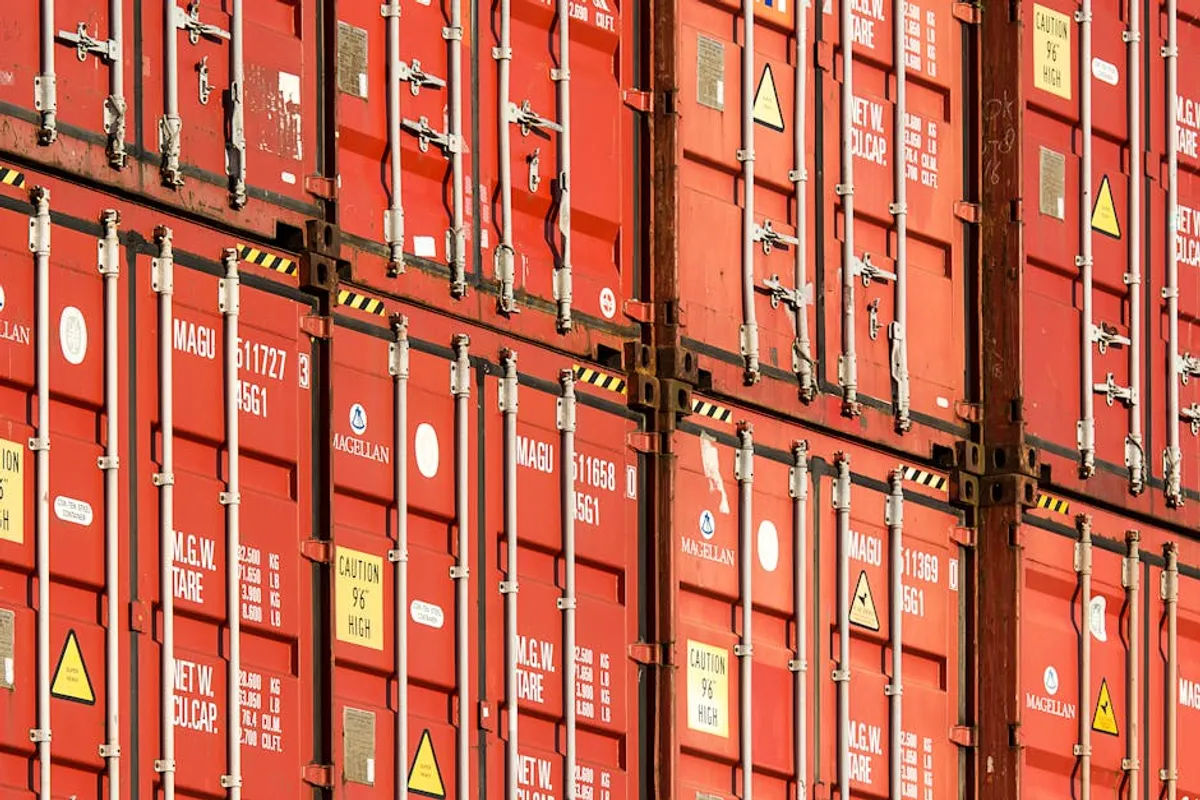
Engaging in international trade introduces a layer of complexity beyond domestic shipments, primarily centered on documentation. Each item crossing a border requires a precise paper trail, not merely for tracking, but for customs clearance, regulatory compliance, and liability management. Errors or omissions in these documents can lead to significant delays, fines, seizure of goods, or even the outright denial of entry into a destination country. For businesses reliant on global supply chains or expanding into new markets, a clear understanding of these essential documents is not optional—it is fundamental to operational efficiency and financial viability.
Core Documents for Export and Import
Successful international shipping hinges on several foundational documents. These forms serve distinct purposes, from detailing the transaction value to specifying cargo handling instructions, and are universally required across most trade lanes.
Commercial Invoice
The commercial invoice is arguably the most critical document in international shipping. It functions as a bill for the goods from the seller to the buyer and is essential for customs authorities to assess duties and taxes. Its accuracy directly impacts the speed of customs clearance and the final cost of the shipment.
- Key Information: Seller and buyer details, invoice number and date, detailed description of goods (including Harmonized System (HS) codes), quantity, unit price, total value, currency, terms of sale (Incoterms), and country of origin.
- Purpose: Customs valuation, import/export control, and payment processing.
Packing List
While often confused with the commercial invoice, the packing list serves a different, yet equally vital, function. It provides a detailed inventory of the contents of each package within a shipment, without including pricing information. This document is crucial for verifying cargo, facilitating inspections, and managing inventory.
- Key Information: Seller and buyer details, invoice number reference, detailed description of contents for each package, dimensions and weight of each package, and total number of packages.
- Purpose: Cargo verification, customs inspections, warehouse management, and freight forwarding.
Bill of Lading (B/L) or Air Waybill (AWB)
These documents serve as a contract between the shipper and the carrier, a receipt for the goods, and a document of title (for a negotiable Bill of Lading). A Bill of Lading is used for ocean freight, while an Air Waybill is used for air cargo. They dictate who owns the goods, how they are to be transported, and who is authorized to receive them.
- Key Information: Shipper and consignee details, carrier information, port of loading/discharge (B/L) or airport of departure/destination (AWB), description of goods, number of packages, weight, and freight charges.
- Purpose: Contract of carriage, receipt of goods, and document of title (B/L).
Certificate of Origin
This document certifies the country in which the goods were manufactured or produced. It is often required by customs authorities to determine tariffs, duties, and whether the goods qualify for preferential treatment under various trade agreements. Without it, goods may be subject to higher tariffs.
- Key Information: Exporter and importer details, description of goods, and a declaration of the country of origin, often certified by a chamber of commerce.
- Purpose: Tariff assessment, trade agreement compliance, and import statistics.
Specialized Documents and Compliance
Beyond the core set, specific goods or destinations may necessitate additional documentation to meet regulatory requirements or facilitate specialized handling. Ignoring these can lead to severe operational bottlenecks and legal repercussions.
Export License
Certain goods, particularly those with dual-use potential (civilian and military applications), advanced technology, or items subject to international sanctions, require an export license from the exporting country's government. The type of license depends on the commodity, destination, end-user, and end-use.
- Best for: Controlled goods, high-tech products, military items, and goods destined for embargoed countries.
Dangerous Goods Declaration (DGD)
For shipments containing hazardous materials, a Dangerous Goods Declaration is mandatory. This document confirms that the goods have been classified, packed, marked, and labeled according to international regulations (e.g., IATA for air, IMDG for sea). Failure to provide this or providing an inaccurate one can result in severe penalties and safety risks.
- Best for: Flammable liquids, corrosive substances, batteries, aerosols, and other regulated hazardous materials.
Pro Forma Invoice
Issued before the actual sale, the pro forma invoice is essentially a preliminary bill of sale. It provides the buyer with an estimate of the goods' value, shipping costs, and other charges. While not a demand for payment, it is often used for customs pre-clearance, obtaining import licenses, or securing financing.
- Best for: Providing advance information to the buyer, obtaining import permits, or facilitating payment arrangements before shipment.
Pro Tip: Always cross-reference information across all shipping documents. Inconsistencies between the commercial invoice, packing list, and Bill of Lading are a primary cause of customs delays and penalties. Even a minor discrepancy in weight or quantity can trigger an inspection.
Why Accurate Documentation Matters
The meticulous preparation of international shipping documents is not merely administrative overhead; it is a strategic imperative that directly impacts a business’s bottom line and reputation. Accuracy ensures:
- Customs Clearance: Correct documentation allows goods to move swiftly through customs, avoiding costly delays and demurrage charges.
- Compliance: Adherence to international trade laws and regulations prevents fines, legal action, and potential blacklisting by customs authorities.
- Cost Management: Proper classification (HS codes) and valuation on the commercial invoice ensure correct assessment of duties and taxes, preventing overpayment or unexpected charges.
- Risk Mitigation: Clear documentation reduces the risk of cargo loss, damage, or misdelivery by providing unambiguous instructions and proof of contents.
- Supply Chain Predictability: Smooth documentation processes contribute to reliable delivery schedules, enhancing customer satisfaction and operational planning.
Ensuring Smooth Global Shipments
To navigate the complexities of international shipping documentation effectively, businesses should implement robust internal processes. This includes standardizing document templates, training staff on specific country requirements, and leveraging technology to minimize manual entry errors. Regular review of trade agreements and customs regulations for target markets is also critical, as these can change frequently. Proactive engagement with experienced freight forwarders or customs brokers can provide invaluable expertise, helping to anticipate challenges and ensure every shipment meets its precise documentary obligations.
Frequently Asked Questions
What happens if my international shipping documents are incorrect?
Incorrect or incomplete documents can lead to significant delays at customs, fines, storage fees, return of goods, or even seizure. Customs authorities may also classify your goods incorrectly, resulting in higher duties or taxes.
Are digital shipping documents accepted internationally?
Many countries and carriers now accept digital versions of shipping documents, especially for pre-filing and initial review. However, some jurisdictions or specific types of goods may still require original physical documents, particularly for customs clearance or as proof of title.
How long should I retain international shipping documents?
Retention periods vary by country and type of document, but generally range from five to seven years after the transaction date. It is crucial to check the specific regulations of both the exporting and importing countries to ensure compliance.
What are Incoterms and why are they important for shipping documents?
Incoterms (International Commercial Terms) define the responsibilities of buyers and sellers for the delivery of goods under sales contracts. They specify who is responsible for paying and managing the shipment, insurance, documentation, and customs clearance. Including the correct Incoterm on your commercial invoice is vital for clarity and dispute resolution.