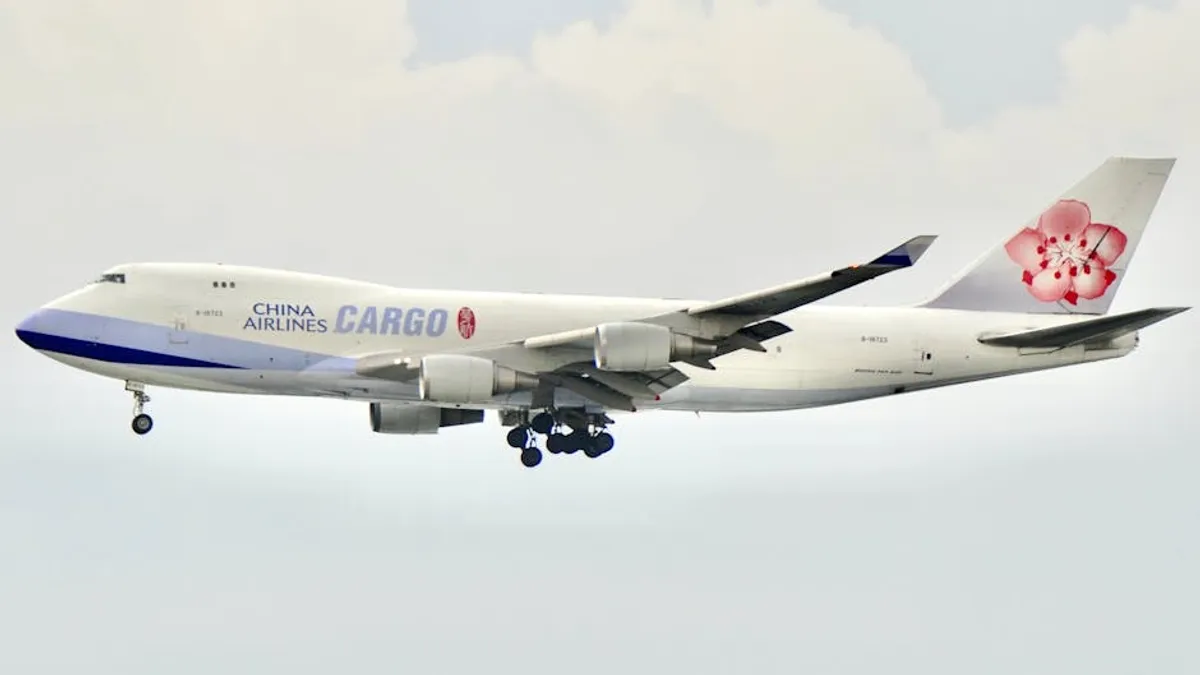
For businesses navigating global supply chains, the choice between air freight and sea freight represents a fundamental strategic decision. This decision is not merely about transportation; it dictates inventory levels, impacts cash flow, influences customer satisfaction, and shapes overall supply chain resilience. Each mode offers distinct advantages and disadvantages, making a one-size-fits-all solution impractical. Understanding the specific operational and financial implications of air versus sea transport is crucial for optimizing logistics and maintaining competitive advantage.
Air Freight: Speed and Precision
Air freight prioritizes speed, making it suitable for time-sensitive shipments and high-value goods. It offers significantly reduced transit times, typically delivering goods across continents in 1-3 days, compared to sea freight's weeks-long voyages. This rapid turnaround supports just-in-time inventory models, reduces warehousing costs, and allows businesses to respond quickly to market demands or unexpected supply chain disruptions.
However, the primary trade-off for this speed is cost. Air freight rates are substantially higher than sea freight, often calculated by chargeable weight (a comparison of actual weight versus volumetric weight). Cargo capacity is also more limited, constrained by aircraft size and weight restrictions. Fuel surcharges, security fees, and handling costs contribute to the elevated expense.
Best for:
- Perishable goods (e.g., fresh produce, pharmaceuticals)
- High-value items where security and speed mitigate risk (e.g., electronics, luxury goods)
- Urgent shipments or emergency replenishments
- Samples, prototypes, or small-batch production runs
- Goods with short product lifecycles or high obsolescence risk
Sea Freight: Economy and Volume
Sea freight is the backbone of global trade for its cost-effectiveness and capacity. It is the most economical option for transporting large volumes of goods over long distances. Shipping costs are considerably lower than air freight, especially for heavy or bulky items, due to the economies of scale offered by massive container vessels. A single container ship can carry thousands of TEUs (twenty-foot equivalent units), a capacity unmatched by air cargo.
The main drawback is transit time. Sea freight journeys can take weeks, or even months, depending on the origin, destination, and potential port congestion or customs delays. This extended lead time necessitates careful planning, larger inventory buffers, and can expose businesses to higher inventory holding costs. While generally secure, cargo can be exposed to longer transit periods and potential weather-related delays.
Best for:
- Bulk commodities and raw materials
- Heavy, oversized, or non-time-sensitive goods (e.g., machinery, vehicles, furniture)
- Large volume shipments where cost per unit is critical
- Businesses with predictable demand and longer lead times
- Goods with lower value density where freight cost significantly impacts profitability
Key Decision Factors for Businesses
Cost Implications
Evaluating cost goes beyond the freight rate itself. Businesses must consider the total landed cost, which includes manufacturing, packaging, insurance, duties, customs clearance, and inland transportation. For air freight, the higher per-unit shipping cost might be offset by reduced inventory holding costs, lower warehousing needs, and quicker cash conversion cycles. Conversely, sea freight’s lower direct shipping cost can be eroded by increased inventory carrying costs, longer capital tie-up, and potential storage fees at ports if delays occur.
Transit Time Requirements
The urgency of delivery is a primary determinant. If market demand is volatile, product lifecycles are short, or production schedules are tight, air freight’s speed becomes indispensable. For stable demand, non-perishable goods, or components that can be ordered well in advance, sea freight offers a viable, cost-saving alternative. Consider the impact of lead times on production schedules and customer commitments.
Cargo Characteristics
The nature of the goods plays a significant role. Perishability, fragility, value density (value per unit of weight or volume), and dimensions all influence the optimal choice. High-value, fragile, or temperature-sensitive items often benefit from the controlled environment and faster transit of air cargo, minimizing exposure to damage or spoilage. Bulky, heavy, or low-value goods are typically more economical to transport via sea freight, where volumetric weight penalties are less severe.
Supply Chain Resilience
Diversifying freight strategies can enhance supply chain resilience. Relying solely on one mode can expose a business to significant risks during disruptions (e.g., port strikes, airline capacity shortages, natural disasters). A hybrid approach, utilizing sea freight for baseline inventory and air freight for urgent top-ups or critical components, can mitigate risk while managing costs. Evaluate the potential impact of delays on production lines, sales, and customer relationships.
Environmental Considerations
Environmental impact is an increasingly important factor for businesses and consumers. Air freight has a significantly higher carbon footprint per ton-mile compared to sea freight. For companies committed to sustainability goals or responding to consumer demand for eco-friendly practices, prioritizing sea freight where feasible can align with corporate social responsibility initiatives. However, the exact environmental impact also depends on the specific route, vessel efficiency, and cargo density.
Pro Tip: Calculate Total Landed Cost, Not Just Freight Rates.
Many businesses mistakenly compare only the direct freight charges. A comprehensive landed cost analysis includes origin charges, inland transport, customs duties, insurance, warehousing, inventory holding costs, and even the cost of capital tied up in transit. A seemingly cheaper sea freight option might become more expensive if inventory holding costs are high or if a delay causes production stoppages.
Optimizing Your Freight Strategy
The decision between air and sea freight is rarely absolute. Many businesses employ a multimodal strategy, leveraging the strengths of each. For instance, launching a new product might involve initial air shipments to quickly establish market presence, followed by sea freight for larger, ongoing replenishment. Understanding your product's lifecycle, market demand patterns, and your company's financial capabilities will guide this complex decision. Regular review of your freight strategy, in light of evolving market conditions and supply chain dynamics, ensures continued efficiency and cost-effectiveness.
Frequently Asked Questions
What is the primary advantage of air freight?
The primary advantage of air freight is its speed, offering significantly reduced transit times (typically 1-3 days for international shipments) which enables rapid response to market demands and minimizes inventory holding periods.
When is sea freight the most cost-effective option?
Sea freight is most cost-effective for large volumes of goods, heavy or bulky items, and non-time-sensitive shipments where the lower per-unit cost outweighs the longer transit times and potential inventory holding costs.
How do I choose between Full Container Load (FCL) and Less than Container Load (LCL) for sea freight?
Choose FCL when your shipment volume is large enough to fill an entire container, as it generally offers lower per-unit costs, faster transit times (no consolidation/deconsolidation), and reduced risk of damage. Opt for LCL if your shipment is smaller than a full container, allowing you to share container space and costs with other shippers.
What is the impact of freight choice on supply chain resilience?
The choice of freight impacts resilience by influencing lead times, inventory levels, and exposure to disruptions. Relying solely on one mode can create vulnerabilities; a diversified approach using both air and sea freight can provide flexibility and mitigate risks during unforeseen events.