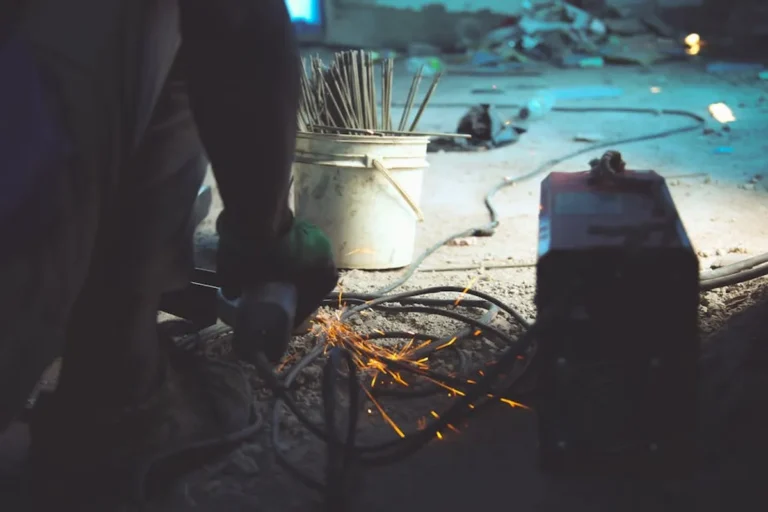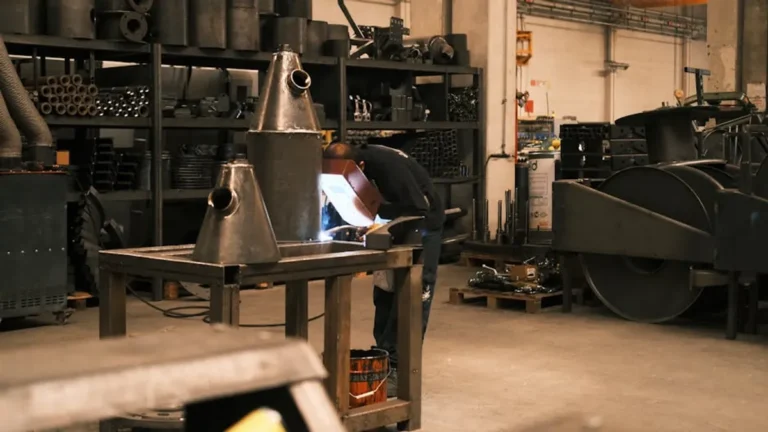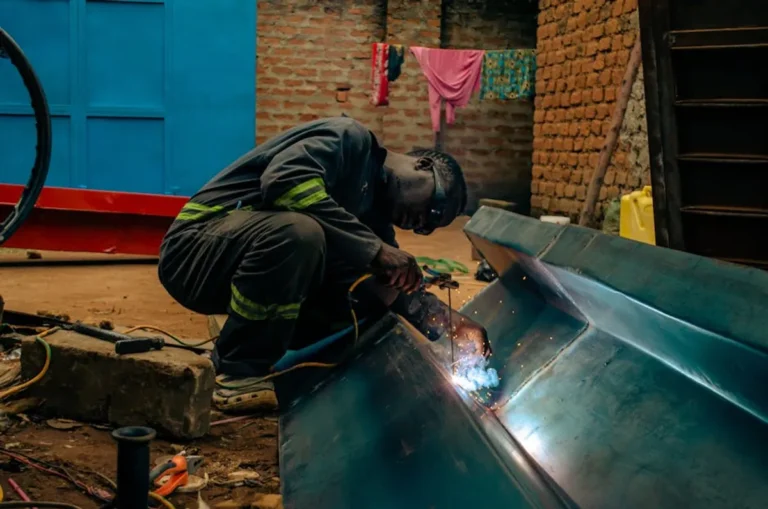
High school welding projects offer a tangible pathway for students to develop critical technical skills, foster problem-solving abilities, and explore potential career paths in skilled trades or engineering. For educators, program administrators, and parents, understanding the scope, requirements, and acquisition considerations for these projects is crucial. This guide details the educational applications, technical specifications, and practical buying tips necessary to establish or enhance a high school welding curriculum, ensuring projects are both engaging and instructionally sound.
The Educational Value of High School Welding Projects
Welding projects provide more than just practical experience; they cultivate a range of cognitive and physical skills. Students engage directly with material science, learning how different metals react to heat and pressure. The precision required for effective welding enhances fine motor skills and hand-eye coordination. Beyond the physical act, students develop project planning, blueprint reading, and safety protocol adherence, all of which are transferable skills vital in any technical field. These projects also serve as a direct pipeline to vocational training, apprenticeships, or higher education in manufacturing, construction, and design.
Types of High School Welding Projects
Project complexity should align with student skill levels and curriculum goals, progressing from foundational techniques to more intricate fabrications.
Beginner Welding Projects
These projects focus on mastering basic weld types and joint configurations. They typically involve simpler geometries and readily available materials, minimizing waste during the learning phase.
- Butt Joints: Practice joining two pieces of metal end-to-end.
- Lap Joints: Overlapping two pieces and welding along the seam.
- Tee Joints: Joining two pieces at a 90-degree angle, forming a 'T'.
- Small Sculptures: Abstract forms using scrap metal, emphasizing creative assembly over structural integrity.
- Tool Holders/Racks: Simple functional items that reinforce basic measurement and cutting.
Intermediate Welding Projects
Once fundamental techniques are established, intermediate projects introduce more complex designs, multiple joint types, and a greater emphasis on structural integrity and finish.
- Small Tables/Stools: Incorporating multiple leg and frame components, requiring accurate cuts and consistent welds.
- Decorative Gates/Railings: Focus on aesthetic detail, repeated patterns, and precise fit-up.
- Go-Kart Frames (simplified): Introduces basic chassis construction and load-bearing considerations.
- Benches/Planters: Combining various materials or requiring more advanced forming techniques.
Advanced Welding Projects
These projects challenge students with larger scale, specialized materials, or applications requiring higher precision and adherence to industry standards. They often involve interpreting complex schematics and managing project timelines.
- Utility Trailers (small scale): Requires understanding of load distribution, axle mounting, and hitch integration.
- Custom Fabrication: Designing and building specific components for school use, such as equipment repairs or modifications.
- Competition Pieces: Projects designed to meet specific criteria for vocational skills competitions, often demanding high finish quality and structural integrity.
- Artistic Metalwork: Complex sculptures or functional art pieces incorporating various welding processes and metal finishing techniques.
Essential Specifications for Project Success
Defining project specifications ensures that students use appropriate materials and techniques, leading to successful outcomes and reinforcing correct practices.
Material Selection and Gauge
For high school projects, mild steel is the most common and cost-effective choice due to its workability and weldability. Common gauges range from 1/8 inch (11 gauge) for general fabrication to 1/4 inch (3 gauge) for more robust structures. Aluminum and stainless steel can be introduced for advanced students, requiring specific welding processes and filler materials.
Welding Process Suitability
The choice of welding process impacts safety, learning curve, and project suitability:
- MIG (Gas Metal Arc Welding): Often recommended for beginners due to its relative ease of use, faster deposition rates, and cleaner welds. It's versatile for mild steel, stainless steel, and aluminum.
- Stick (Shielded Metal Arc Welding): Teaches fundamental arc control and is suitable for outdoor use or thicker materials. It has a steeper learning curve but is robust.
- TIG (Gas Tungsten Arc Welding): Offers precise control and high-quality welds, ideal for thinner materials and aesthetic projects. It requires significant skill and is typically introduced to advanced students.
Design and Structural Considerations
Projects must consider the intended use and forces they will withstand. For functional items, students should learn about load-bearing points, stress distribution, and appropriate joint reinforcement. Aesthetic projects still benefit from stable bases and balanced forms. Educators should provide clear design parameters or blueprints, allowing students to focus on fabrication rather than complex engineering calculations initially.
Safety Protocols for High School Welding Environments
Safety is paramount in any welding program. Strict adherence to protocols protects students and ensures a productive learning environment.
Personal Protective Equipment (PPE)
Every student and instructor must wear appropriate PPE at all times in the welding area. This includes a welding helmet with the correct shade lens, flame-retardant jacket or sleeves, heavy-duty welding gloves, safety glasses (worn under the helmet), and closed-toe leather boots.
Ventilation and Workspace Setup
Adequate ventilation is critical to remove welding fumes. Welding booths should have local exhaust ventilation systems. Work areas must be clear of combustible materials, well-lit, and provide sufficient space for safe movement. Fire extinguishers (Class ABC) must be readily accessible and inspected regularly.
Pro Tip: Implement a "buddy system" for students, ensuring no one welds alone and that a peer is always aware of their activity. This fosters a culture of mutual responsibility and immediate assistance in case of an incident, reinforcing vigilance even during routine tasks.
Selecting Materials and Equipment: Buying Tips
Strategic purchasing ensures a well-equipped program that maximizes educational value within budget constraints.
Project Kits vs. Individual Components
For initial projects, pre-cut project kits can simplify material management and reduce preparation time, allowing students to focus solely on welding. As skills advance, purchasing raw stock (e.g., steel angle, flat bar, tubing) in bulk is more cost-effective and provides flexibility for custom designs. Consider local metal suppliers for competitive pricing and reduced shipping costs.
Recommended Welding Machines for Educational Settings
Multi-process welders (MIG/Stick or MIG/TIG/Stick) offer versatility, allowing students to experience different techniques on a single machine. Look for machines with adjustable amperage, voltage, and wire feed speed controls. Reputable brands often provide educational discounts or robust customer support, which is valuable for school programs. Entry-level machines with a duty cycle of at least 30% at 90 amps are generally sufficient for high school applications.
Consumables and Accessories
Regularly stock up on essential consumables: MIG wire (ER70S-6, 0.030-0.035 inch), various electrode types for Stick welding (E6010, E6013, E7018), shielding gases (75% Argon/25% CO2 for MIG, 100% Argon for TIG), and grinding discs. Accessories like clamps (C-clamps, locking pliers), wire brushes, chipping hammers, and angle grinders are indispensable for preparation and finishing.
Maximizing Learning and Project Outcomes
To ensure high school welding programs deliver maximum impact, focus on structured learning, practical application, and continuous improvement.
Implement a clear progression of skills, moving from basic joints to complex fabrications. Encourage students to document their projects, including initial designs, material lists, process notes, and final evaluations. This reinforces critical thinking and provides a tangible record of their learning. Incorporate opportunities for students to apply their skills to real-world scenarios, such as repairing school equipment or contributing to community projects. Regular feedback, peer review, and instructor demonstrations are vital for skill refinement. Emphasize quality control and the importance of a clean, strong weld, connecting classroom work to industry standards.
Frequently Asked Questions
What is a good first welding project for high school students?
Simple butt, lap, or tee joints on mild steel coupons are excellent starting points, focusing on technique and bead consistency before moving to functional items like small tool holders or abstract scrap metal sculptures.
What welding process is best for high school students to learn first?
MIG (Gas Metal Arc Welding) is often recommended for beginners due to its relatively easier learning curve, faster welding speed, and ability to produce clean welds quickly, making it less intimidating for new learners.
How much do materials for high school welding projects typically cost?
Costs vary significantly based on project complexity and material type. Basic mild steel stock for a small project might cost $10-30 per student, while more advanced projects or specialized metals could range from $50-150 or more per project.
What essential safety gear is required for high school welding?
Essential safety gear includes a welding helmet (auto-darkening recommended), flame-retardant jacket or sleeves, heavy-duty welding gloves, safety glasses, and closed-toe leather boots to protect against heat, sparks, and UV radiation.