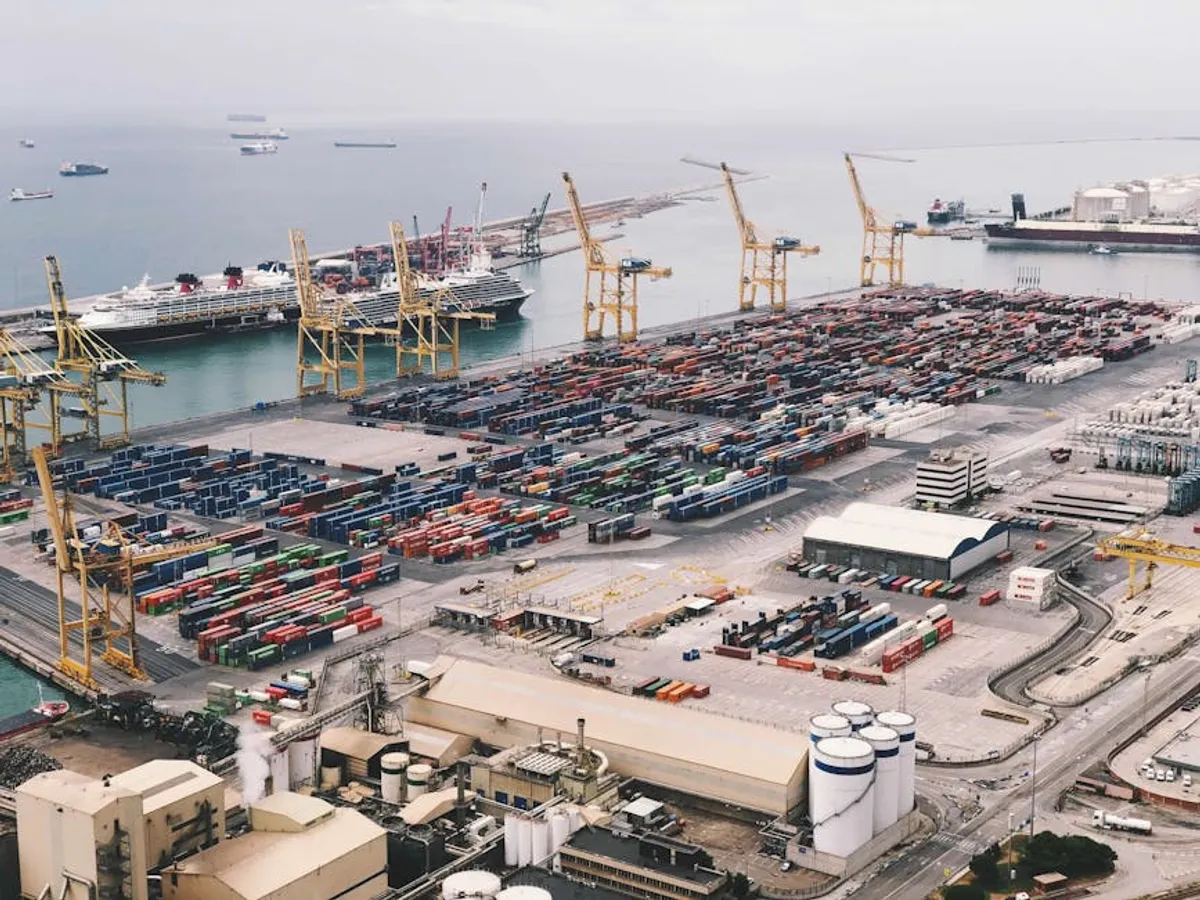
The global shipping industry faces increasing pressure to enhance efficiency, reduce costs, and meet stringent environmental regulations. Against this backdrop, the concept of "smart ports" has emerged as a transformative force, leveraging advanced technologies to redefine maritime logistics. A smart port is not merely a port with digital tools; it is an interconnected ecosystem where data, automation, and intelligent systems converge to optimize every aspect of port operations, from vessel arrival to cargo distribution. Understanding this evolution is critical for stakeholders across the supply chain, as smart port adoption directly impacts turnaround times, operational expenditure, security protocols, and overall supply chain resilience.
Defining the Smart Port Ecosystem
Smart ports represent a paradigm shift from traditional, labor-intensive operations to data-driven, automated processes. This transformation involves integrating digital infrastructure with physical assets, creating a seamless flow of information and goods. The primary objective is to enhance operational efficiency, improve safety, and reduce environmental impact through intelligent resource management and predictive analytics.
Core Technological Pillars
The foundation of a smart port rests on several interconnected technological pillars. These include robust communication networks, such as 5G and IoT, for real-time data exchange; advanced analytics and artificial intelligence for predictive modeling and decision support; and automation and robotics for handling physical tasks. Each pillar contributes to creating a port environment capable of self-optimization and rapid adaptation to changing demands.
Operational Benefits and Efficiencies
Implementing smart port technologies yields tangible operational benefits. Ports can achieve faster vessel turnaround times by optimizing berthing schedules and cargo handling. Predictive maintenance of equipment minimizes downtime, while automated gate systems expedite truck processing. The integration of various data streams allows for a holistic view of operations, enabling better resource allocation and proactive problem-solving. This leads to reduced operational costs and increased capacity utilization without significant physical expansion.
Key Technologies Driving Smart Port Evolution
The transition to smart ports is fueled by specific technological advancements, each playing a distinct role in modernizing port infrastructure and operations.
Internet of Things (IoT) and Sensor Networks
IoT devices and extensive sensor networks form the nervous system of a smart port. These sensors collect real-time data on everything from weather conditions and air quality to equipment performance, cargo status, and traffic flow. This constant stream of data provides granular insights, enabling ports to monitor assets, track cargo movements, and make informed decisions regarding resource deployment and operational adjustments.
Application: Predictive maintenance on cranes, real-time monitoring of reefer container temperatures, dynamic traffic management within port areas.
Artificial Intelligence and Machine Learning
AI and machine learning algorithms process the vast amounts of data collected by IoT sensors. These technologies are crucial for predictive analytics, identifying patterns, forecasting demand, and optimizing complex logistical processes. AI-driven systems can predict vessel arrival times, optimize stacking strategies in container yards, and even automate decision-making for routine operations, minimizing human error and maximizing throughput.
Benefit: Optimized vessel scheduling reduces waiting times by 15-20%, improved container yard utilization by 10-12%.
Automation and Robotics
Automation and robotics are transforming physical operations within smart ports. Automated guided vehicles (AGVs) transport containers, robotic cranes load and unload vessels, and automated stacking cranes (ASCs) manage container yards. These systems operate with precision 24/7, increasing operational speed, reducing labor costs, and significantly enhancing safety by removing personnel from hazardous environments.
Impact: Increased cargo handling capacity, reduced operational costs, enhanced worker safety.
Blockchain for Supply Chain Transparency
Blockchain technology offers a secure and immutable ledger for tracking cargo and transactions across the supply chain. In a smart port context, blockchain can enhance transparency, reduce fraud, and streamline customs processes. Each step of a shipment's journey, from origin to destination, can be recorded and verified, providing all stakeholders with real-time, trustworthy information.
Advantage: Reduced paperwork, faster customs clearance, enhanced trust among supply chain partners.
5G Connectivity and Edge Computing
The deployment of 5G networks provides the high bandwidth and low latency necessary for real-time communication between vast numbers of IoT devices, autonomous vehicles, and operational systems. Edge computing complements this by processing data closer to its source, reducing the need to send all data to a centralized cloud. This combination ensures rapid data analysis and immediate response, critical for time-sensitive port operations.
Enabler: Supports real-time control of autonomous equipment, facilitates rapid data processing for immediate operational adjustments.
Impact on Shipping Operations and Supply Chains
The technological advancements in smart ports have far-reaching implications for the entire shipping industry and global supply chains.
Enhanced Throughput and Reduced Turnaround Times
Smart ports are designed to process more cargo in less time. Automation in handling, AI-driven scheduling, and real-time visibility contribute to significantly faster vessel turnaround times. This efficiency translates into reduced operational costs for shipping lines and improved reliability for cargo owners, as goods move through the port ecosystem more quickly and predictably.
Improved Security and Safety Protocols
Integrated sensor networks, AI-powered surveillance, and automated access control systems bolster security within smart ports. These technologies can detect anomalies, prevent unauthorized access, and provide real-time alerts for potential threats. Furthermore, automation reduces human exposure to dangerous machinery and environments, leading to a substantial improvement in worker safety records.
Sustainability and Environmental Compliance
Smart ports are instrumental in achieving sustainability goals. Optimized traffic management reduces vessel idling, cutting fuel consumption and emissions. Electrification of port equipment, powered by renewable energy sources, further lowers the carbon footprint. Real-time environmental monitoring helps ports comply with regulations and implement strategies for cleaner operations, such as managing air quality and noise levels.
Measurable Outcome: Reduction in carbon emissions by up to 25% through optimized logistics and energy management.
Pro Tip: When evaluating smart port solutions, prioritize interoperability. A fragmented system with incompatible technologies will create data silos and hinder the very efficiencies smart ports aim to achieve. Ensure new implementations can integrate seamlessly with existing infrastructure and future upgrades.
Practical Adoption and Strategic Considerations
For port authorities and logistics companies, strategic planning is essential for successful smart port adoption. This involves not only technological investment but also changes in operational paradigms and workforce development.
- Phased Implementation: Begin with pilot projects focusing on specific operational areas (e.g., automated gate systems, smart container tracking) to test viability and gather data before scaling.
- Data Governance Strategy: Establish clear protocols for data collection, storage, security, and sharing to maximize insights and maintain compliance.
- Cybersecurity Infrastructure: Invest in robust cybersecurity measures to protect interconnected systems from potential threats, given the increased attack surface.
- Workforce Reskilling: Develop training programs to equip employees with the skills needed to operate and maintain advanced technologies, transitioning roles from manual labor to supervisory and analytical functions.
- Collaboration with Stakeholders: Foster partnerships with shipping lines, logistics providers, customs, and technology vendors to create a cohesive and integrated smart port ecosystem.
Frequently Asked Questions
What is the primary goal of a smart port?
The primary goal is to enhance operational efficiency, improve safety, reduce environmental impact, and increase the overall competitiveness of port operations through the strategic integration of advanced technologies.
How do smart ports improve supply chain resilience?
Smart ports improve resilience by providing real-time visibility into cargo movements, enabling predictive analytics for potential disruptions, and automating processes to maintain continuity even during unforeseen events or labor shortages.
What are the main challenges in implementing smart port technologies?
Key challenges include the significant capital investment required, ensuring interoperability between diverse systems, managing cybersecurity risks, and reskilling the existing workforce to adapt to new technological demands.
Can smart ports truly be sustainable?
Yes, smart ports are designed with sustainability in mind, leveraging technologies like optimized traffic flow, electrified equipment, and renewable energy integration to significantly reduce carbon emissions, air pollution, and noise, contributing to a greener maritime industry.