The Port of Rotterdam stands as Europe's largest seaport, serving as a critical gateway for global trade and a strategic hub for distributing goods across the continent. For businesses involved in international shipping, understanding its operational intricacies, digital infrastructure, and multimodal connectivity is essential for optimizing logistics, managing costs, and ensuring timely delivery. This guide provides a detailed overview of the Port of Rotterdam’s capabilities and the practical considerations for leveraging its extensive network.
Strategic Importance of the Port of Rotterdam
The Port of Rotterdam’s dominance in European logistics stems from a combination of its geographic advantages and continuous infrastructure investment. Its position at the mouth of the Rhine-Meuse-Scheldt delta provides direct access to a vast hinterland spanning Germany, Belgium, France, and beyond, reaching over 500 million consumers.
Geographic and Economic Advantages
Rotterdam's deep-water access accommodates the largest container vessels, making it a primary destination for intercontinental shipping lines. This capability reduces transit times and allows for economies of scale in ocean freight. The port's economic impact extends beyond its immediate vicinity, acting as a key driver for the Dutch economy and a central node in European supply chains. Its strategic location minimizes inland transport distances for a significant portion of European cargo, contributing to both cost efficiency and reduced environmental footprint compared to more distant ports.
Key Cargo Types and Throughput
The Port of Rotterdam handles a diverse range of cargo, reflecting its role as a versatile logistics hub. Containerized cargo represents a substantial portion, with millions of TEUs (Twenty-foot Equivalent Units) processed annually. Beyond containers, the port is a major energy hub, handling significant volumes of crude oil, refined petroleum products, and liquefied natural gas (LNG). Dry bulk commodities such as iron ore, coal, and agricultural products also pass through its specialized terminals. This diversification ensures resilience and offers specialized infrastructure for various industries.
Navigating Port Operations and Services
Efficient shipping through Rotterdam relies on understanding its operational ecosystem, which includes a network of terminal operators, digital platforms, and regulatory frameworks.
Terminal Operators and Facilities
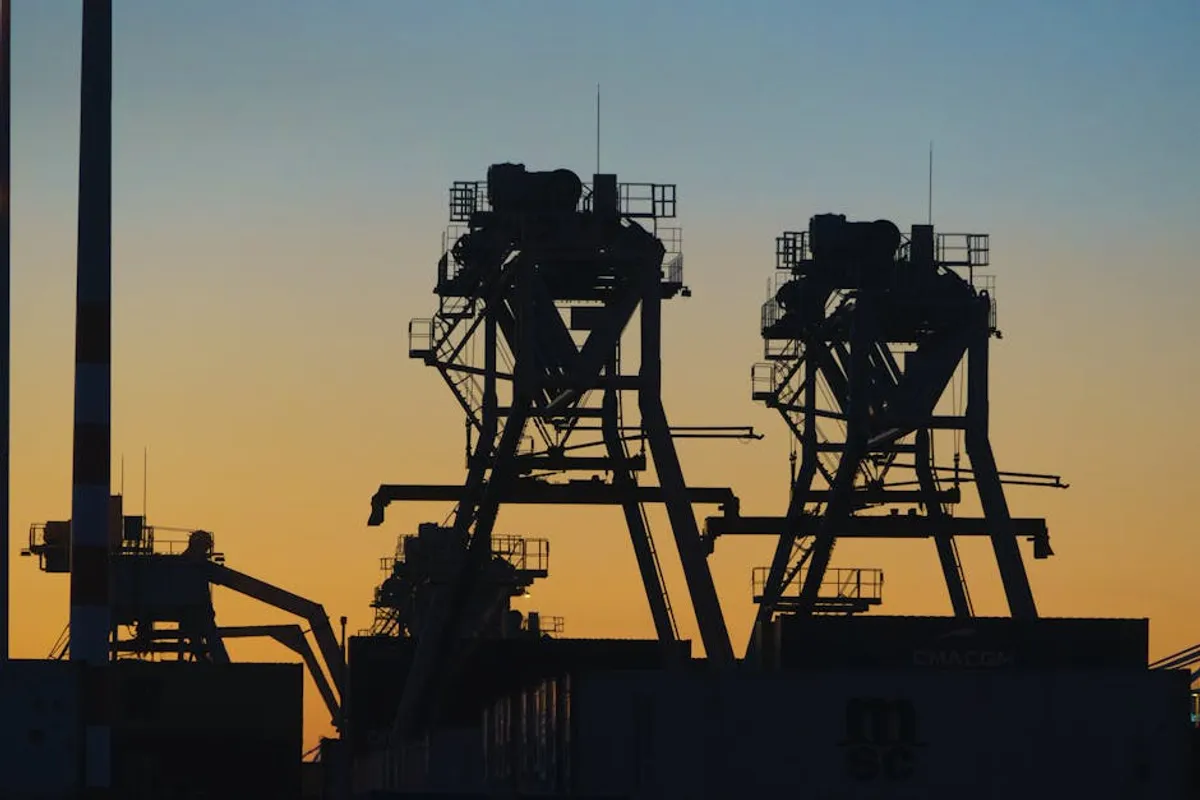
The port features multiple advanced terminals, each specializing in different cargo types. Major container terminal operators include APM Terminals, ECT (Europe Container Terminals), and DP World, which manage highly automated facilities like Maasvlakte 2. These terminals are equipped with state-of-the-art cranes and logistics systems to ensure rapid vessel turnaround and efficient cargo handling. Specialized terminals exist for liquid bulk, dry bulk, and breakbulk, offering tailored services for specific commodity types.
Digital Services and Port Community Systems
A critical component of Rotterdam’s efficiency is Portbase, the port community system. Portbase acts as a centralized digital platform connecting all logistical partners within the port: shipping lines, forwarders, customs, terminal operators, and inland carriers. Its services include:
- Pre-notification of cargo and vessels
- Real-time tracking of container status
- Digital customs declarations
- Planning and coordination of hinterland transport (barge, rail, truck)
- Access to essential port information and documentation
Benefit: Leveraging Portbase streamlines communication, reduces administrative burden, and provides transparency, which is crucial for supply chain predictability.
Customs and Regulatory Compliance
Shipping through Rotterdam requires adherence to Dutch and European Union customs regulations. Importers and exporters must ensure all necessary documentation is accurate and submitted electronically via Portbase or other authorized systems. This includes import/export declarations, safety and security declarations (ENS/EXS), and compliance with specific product regulations, such as those for food, chemicals, or controlled goods. Engaging with a local customs broker or freight forwarder experienced in Dutch procedures can mitigate risks and expedite clearance.
Shipping Modalities and Connectivity
Rotterdam’s strength lies in its extensive multimodal connections, offering flexibility and efficiency for onward distribution.
Deep-Sea Container Shipping
As a first-call port for many global shipping alliances, Rotterdam handles a high volume of ultra-large container vessels. This ensures frequent sailings to and from major global trade lanes, providing shippers with competitive transit times and capacity options.
Inland Waterway Transport (Barge)
The port leverages its direct connection to the Rhine, Meuse, and Scheldt rivers, making barge transport a cost-effective and environmentally friendly option for cargo moving to Germany, Switzerland, Belgium, and France. Barge services reduce road congestion and offer reliable schedules for large volumes.
Rail Freight Connections
An extensive rail network, including the dedicated Betuweroute freight line, connects Rotterdam to key economic centers across Europe, including the Ruhr Area, Central Europe, and beyond. Rail freight offers a fast and efficient solution for time-sensitive cargo and provides a sustainable alternative to road transport for longer distances.
Road Transport
While multimodal options are encouraged, road transport remains vital for last-mile delivery and regional distribution. Rotterdam is well-connected to European highway networks, though planning around peak traffic times is essential to avoid delays.
Pro Tip: For optimal efficiency and reduced costs when shipping through Rotterdam, prioritize multimodal transport solutions, especially inland waterways and rail. These options not only offer environmental benefits but also mitigate risks associated with road congestion and driver shortages, particularly for cargo destined for the European hinterland.
Planning Your Shipment Through Rotterdam
Effective planning is paramount for a smooth shipping experience.
Selecting a Forwarder or Agent
Choosing a freight forwarder or logistics agent with established expertise in Rotterdam operations is crucial. They can navigate customs, coordinate with terminal operators, manage documentation, and advise on optimal transport modalities. Look for partners with proven experience using Portbase and a strong network of local contacts.
Documentation Requirements
Common documents required include:
- Bill of Lading (B/L) or Air Waybill (AWB)
- Commercial Invoice
- Packing List
- Customs Declaration (import/export)
- Certificates of Origin (if applicable)
- Safety Data Sheets (for hazardous materials)
- Phytosanitary Certificates (for agricultural products)
Ensuring accuracy and timely submission of these documents prevents delays and penalties.
Understanding Port Tariffs and Fees
Shippers should factor in various costs, including port dues, terminal handling charges (THC), stevedoring fees, storage charges (demurrage and detention), and customs duties/VAT. These fees vary based on cargo type, volume, and service level. A detailed quote from your forwarder, breaking down these costs, is advisable.
Optimizing Your Rotterdam Logistics
To maximize the benefits of using the Port of Rotterdam, focus on integrated planning and digital engagement. Leverage the Portbase system for all possible interactions to gain real-time visibility and accelerate processes. Prioritize multimodal transport options, especially for cargo moving beyond the immediate port area, to enhance cost-effectiveness and sustainability. Partner with logistics providers who demonstrate deep familiarity with Rotterdam's specific operational nuances and regulatory environment. Proactive communication and meticulous documentation are key to avoiding unexpected delays and optimizing your supply chain efficiency through this pivotal European gateway.
Frequently Asked Questions
What is Portbase and why is it important for shipping through Rotterdam?
Portbase is the Port of Rotterdam's digital port community system, serving as a central platform for all logistical partners. It's crucial because it enables electronic data exchange for cargo pre-notification, customs declarations, real-time tracking, and transport planning, significantly streamlining operations and reducing administrative delays.
What types of cargo does the Port of Rotterdam primarily handle?
The Port of Rotterdam handles a wide range of cargo, including deep-sea containers, crude oil, refined petroleum products, LNG, dry bulk commodities (like iron ore and coal), and agricultural products. Its diversified infrastructure supports various industry needs.
How does Rotterdam connect to the European hinterland?
Rotterdam offers extensive multimodal connections to the European hinterland via inland waterways (Rhine, Meuse, Scheldt rivers), a comprehensive rail network (including the Betuweroute), and a well-developed road network. This allows for efficient and flexible onward distribution across the continent.
What are the main benefits of shipping through the Port of Rotterdam?
Key benefits include its strategic geographic location, deep-water access for large vessels, advanced digital infrastructure (Portbase), extensive multimodal connectivity, and a high degree of operational efficiency. These factors contribute to competitive transit times, reduced costs, and reliable supply chain performance for European-bound cargo.