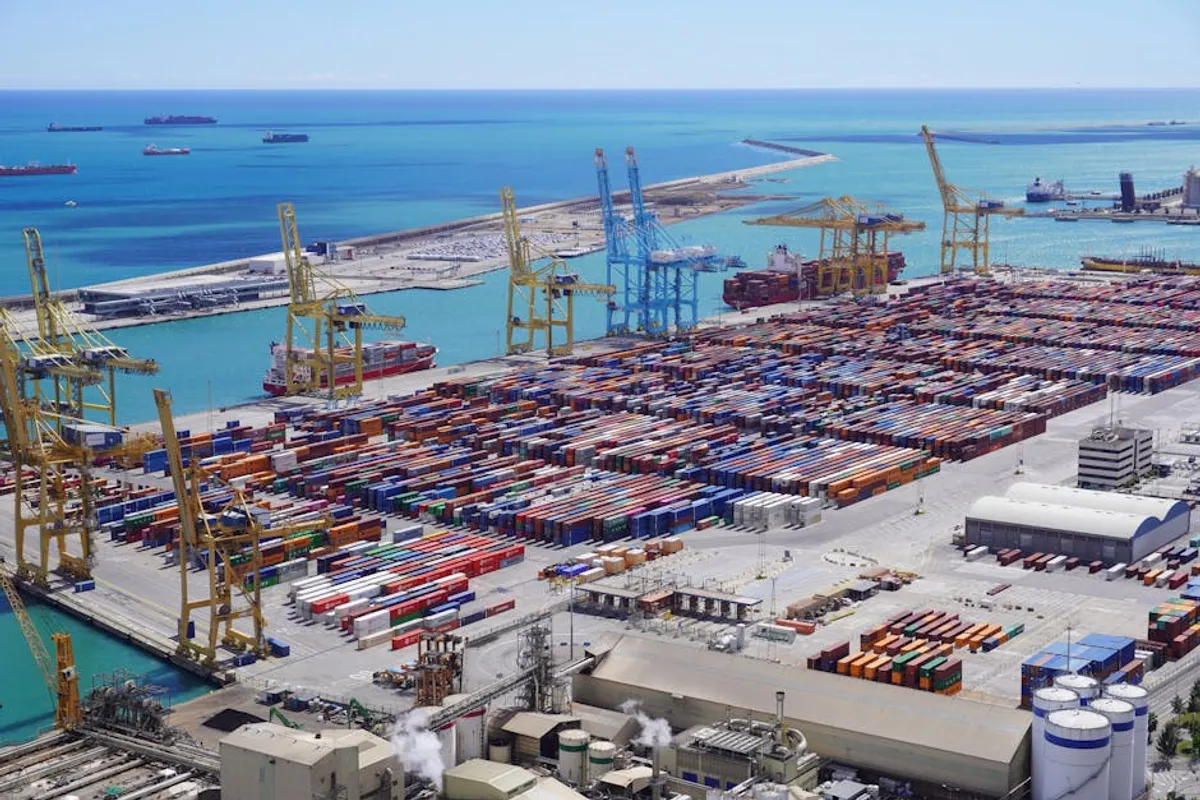
The Port of Los Angeles serves as a critical gateway for global trade, handling a substantial volume of cargo that impacts supply chains worldwide. For any business involved in importing or exporting goods through this facility, understanding its intricate operational landscape is not merely advantageous but essential for cost control, timely delivery, and regulatory compliance. This guide outlines the core elements shippers must master to navigate the Port of Los Angeles effectively, from terminal specifics to digital integration and future planning.
Understanding Port Operations and Infrastructure
The Port of Los Angeles spans 7,500 acres, featuring 27 cargo terminals, including container, breakbulk, dry bulk, and liquid bulk facilities. Each terminal operates with distinct capabilities, equipment, and sometimes, specific carrier affiliations. Shippers must identify the appropriate terminal for their cargo type and chosen carrier to prevent misrouting and delays. Container terminals, for instance, are highly automated, relying on specific gate hours and appointment systems for drayage.
Key operational considerations:
- Terminal Specifics: Researching the capabilities and operational nuances of terminals like APM Terminals, Fenix Marine Services, or Evergreen Terminal is crucial. Each has different crane capacities, yard layouts, and truck gate procedures.
- Drayage Management: The efficient movement of containers between terminals and inland distribution centers is a primary challenge. Congestion, chassis availability, and driver shortages frequently impact drayage costs and timelines. Pre-booking drayage appointments and communicating precise pickup/delivery windows are critical.
- Cargo Types: While containers dominate, understanding the handling requirements for specialized cargo (e.g., project cargo, refrigerated goods, hazardous materials) is vital. These often involve specific permits, storage, and handling protocols that differ from standard containerized freight.
Key Regulatory and Compliance Considerations
Operating within the Port of Los Angeles requires strict adherence to a complex web of federal, state, and local regulations. Non-compliance can result in substantial fines, cargo delays, and reputational damage. This extends beyond customs to environmental and security mandates.
Essential compliance areas:
- Customs and Border Protection (CBP): All imported goods are subject to CBP scrutiny. Accurate documentation, timely filing of entries (e.g., ISF, ACE Manifest), and correct tariff classifications are non-negotiable. Delays frequently stem from incomplete or incorrect paperwork.
- Environmental Regulations: California's stringent environmental policies impact port operations significantly. This includes requirements for low-emission drayage trucks, vessel speed reduction programs, and air quality monitoring. Shippers should be aware of any surcharges or operational adjustments related to these mandates.
- Security Protocols: The Port of Los Angeles operates under strict security measures mandated by the Maritime Transportation Security Act (MTSA). This includes access controls, cargo screening, and secure storage. All personnel accessing the port must hold appropriate credentials.
Pro Tip: Proactive engagement with a licensed customs broker specializing in the Port of Los Angeles can significantly mitigate customs-related delays and ensure compliance with evolving regulations. Their local knowledge often proves invaluable for navigating specific port procedures and avoiding common pitfalls.
Optimizing Logistics and Supply Chain Efficiency
Beyond the immediate port gates, the efficiency of your supply chain through the Port of Los Angeles depends on strategic planning for inland transportation, warehousing, and inventory management. The port's sheer volume means that bottlenecks can occur at multiple points.
Strategies for optimization:
- Intermodal Connectivity: Leverage the port's extensive rail connections to move cargo efficiently to inland hubs. Direct rail access from certain terminals can reduce drayage costs and transit times for destinations further east.
- Warehousing and Distribution: Proximity to the port for warehousing offers advantages for quick turnaround and deconsolidation. However, consider congestion and labor costs in the immediate Los Angeles basin. Exploring options in the Inland Empire can balance cost and accessibility.
- Carrier Selection and Relationships: Develop strong relationships with ocean carriers and drayage providers that have established, reliable operations at the Port of Los Angeles. Their historical performance and communication capabilities directly impact your cargo flow.
Navigating Digital Systems and Data Flow
The Port of Los Angeles, like many major global ports, relies heavily on digital platforms for communication, tracking, and operational management. Proficiency with these systems is crucial for real-time visibility and efficient processing.
Key digital tools:
- Port Community System (PCS): The port's PCS facilitates information exchange between various stakeholders, including terminals, carriers, customs, and drayage companies. Understanding how to access and utilize this platform for vessel schedules, cargo status updates, and appointment booking is fundamental.
- API Integrations: Larger shippers and logistics providers often integrate their internal systems with port and carrier APIs to automate data exchange, improving accuracy and reducing manual effort in tracking and documentation.
- Real-time Tracking: Utilize carrier and third-party tracking platforms to monitor vessel movements, container status, and drayage progress. This proactive monitoring allows for quicker response to potential delays or exceptions.
Future Outlook and Strategic Planning
The Port of Los Angeles is continually evolving, with ongoing infrastructure projects, technological advancements, and shifting trade dynamics. Staying informed about these developments is essential for long-term strategic planning.
Considerations for future planning:
- Infrastructure Investments: Monitor port investment in automation, deeper channels, and expanded rail facilities. These improvements can impact future capacity, efficiency, and operational costs.
- Sustainability Initiatives: The port's commitment to sustainability (e.g., zero-emission goals) will likely drive further regulatory changes and potentially influence equipment choices and operational practices for drayage and vessels.
- Geopolitical and Trade Policy Shifts: Global trade agreements and geopolitical events can rapidly alter cargo volumes and supply chain routes. Maintaining flexibility and diversifying sourcing/shipping strategies can mitigate risks associated with reliance on a single port or trade lane.
Streamlining Your Port of LA Operations
Effective shipping through the Port of Los Angeles is a continuous exercise in optimization and adaptation. It demands a detailed understanding of the port's physical infrastructure, a rigorous approach to regulatory compliance, strategic logistics planning, and adept use of digital tools. By focusing on these areas, businesses can move beyond simply reacting to port conditions and instead proactively manage their cargo flow, minimize disruptions, and secure a competitive edge in their supply chain operations.
Frequently Asked Questions
What are the most common causes of delays at the Port of Los Angeles?
Common delays stem from vessel congestion, labor availability, chassis shortages, drayage capacity issues, and customs holds due to incomplete or incorrect documentation. Weather events and equipment breakdowns can also contribute.
How can I track my cargo moving through the Port of Los Angeles?
Cargo can be tracked using the ocean carrier's website, the Port Community System (PCS), or third-party logistics platforms that integrate with port and carrier data. Your freight forwarder or customs broker can also provide updates.
Are there specific peak seasons for shipping through the Port of Los Angeles?
Historically, peak shipping seasons occur in late summer and early fall, ahead of the holiday shopping season. However, global supply chain disruptions have made peak periods less predictable, often leading to sustained high volumes.
What is the Clean Air Action Plan (CAAP) and how does it affect shippers?
The CAAP is a comprehensive strategy by the Ports of Los Angeles and Long Beach to reduce air pollution from port operations. It impacts shippers through requirements for cleaner trucks and vessels, potentially leading to increased operational costs or specific equipment mandates.