Methanol as a marine fuel was largely an aspirational concept three years ago. The major container lines had announced newbuilding programs for methanol-fuelled vessels, the engine manufacturers had developed the dual-fuel engines that could operate on methanol, and the policy environment was moving in directions that supported the fuel as a decarbonization pathway. What was missing was the bunkering infrastructure — the supply of low-carbon methanol at the major bunkering ports at the volumes that operating fleets would require.
The infrastructure buildout through 2024 and 2025 has changed the picture. The methanol bunkering network is now genuinely operational at a meaningful number of ports, the supply chain for low-carbon methanol is developing alongside, and the first wave of methanol-fuelled vessels is operating with a bunkering pattern that is workable if not yet entirely smooth. This piece works through what the network actually looks like, what the supply picture is, and where the operational gaps still are.
The ports that have operational methanol bunkering
The principal ports with operational methanol bunkering capability as of early 2026 include Rotterdam, Singapore, Houston, the major Northern European hubs, and several Asian ports including Yokohama and Busan. The capacity at each port varies substantially, with Rotterdam and Singapore being the most-developed bunkering hubs for the new fuel and with the others providing more limited service that supports specific vessel deployments rather than network-wide bunkering.
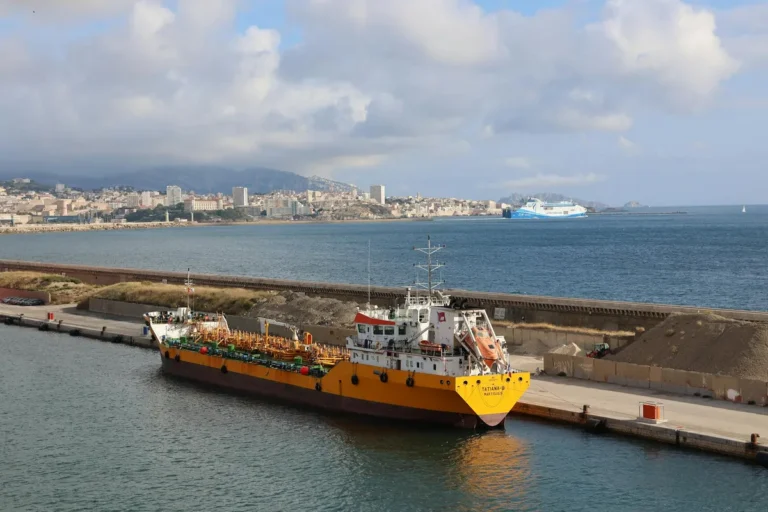
The bunkering operations involve ship-to-ship transfers in most cases, with bunker barges that have been built or converted to handle methanol with the appropriate safety protocols. The barge fleet has been expanding through 2025 to support the growing methanol bunker demand, with several major bunkering companies having ordered or commissioned new methanol-capable barges through the buildout period.
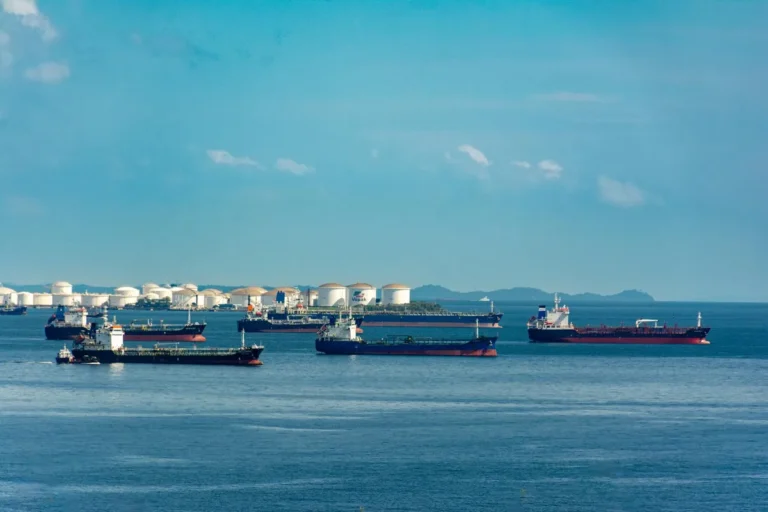
The port-side infrastructure varies. Some ports have shore-side storage that supports rapid bunker barge replenishment. Others rely on more distributed supply that produces more operational friction in the bunker scheduling. The principal hubs have been investing in the kind of shore-side capacity that supports the network-effect requirements of being a reliable methanol bunkering port for global vessel deployments.
The supply chain for low-carbon methanol
The supply picture for methanol is more complex than the bunkering infrastructure picture. The methanol that meets the relevant low-carbon thresholds — bio-methanol or e-methanol with renewable energy inputs — is available at substantially lower volumes than the fossil methanol that the broader chemical industry has been using for decades. The supply growth has been working through but remains constrained.
Bio-methanol production from waste biomass and from biogas feedstocks has been growing, with new facilities commissioning in Europe, North America and Asia through 2024 and 2025. The cumulative production capacity is meaningful but is well below the levels that the announced methanol-fuelled vessel orderbook will eventually require. The supply expansion will need to continue at substantial scale through the rest of the decade to support the operational fleet that is being delivered.
E-methanol produced from renewable hydrogen and captured CO2 is the longer-term volume option but is currently in the demonstration and early-commercial phase. Several major projects have been announced or are under construction, but the production capacity that is delivering today is small relative to the eventual demand. The cost structure for e-methanol is also currently higher than for bio-methanol, with the cost differential expected to narrow as scale develops.
The certification framework for low-carbon methanol has been developing alongside the supply chain. The major bunkering markets have been working through the certification protocols that allow operators to demonstrate the carbon-intensity benefits of the methanol they are bunkering, with implications for the CII compliance and the market-based measure exposure of methanol-fuelled vessels.
What the operating fleet has been experiencing
The operating methanol-fuelled fleet through 2025 has been principally the first wave of container vessels from Maersk and several other operators, alongside a smaller number of vessels in other segments. The operational experience of these vessels in actual service has been generally positive but with specific challenges that the early-adopter operators have been working through.
The fuel-availability question has been one of the principal operational considerations. The vessels have been deployed on services that touch the principal methanol bunkering ports, with the route planning incorporating the bunker availability picture. The fuel-mix optimization between methanol and the dual-fuel option (typically very-low-sulphur fuel oil) has been managed by the operators with attention to the cost differentials, the regulatory implications, and the customer commitments that the operators have been making on low-carbon transport service.
The engine performance and the operational reliability of the dual-fuel engines have been generally consistent with the manufacturer specifications, with the operating fleet building up substantive operational hours on the technology. The lessons from the early fleet have been informing the design refinements of the subsequent newbuilding orders, with the second wave of methanol-fuelled vessels expected to deliver with operational improvements relative to the initial design.
The safety and operational protocols for methanol handling have been developed and refined through the operational experience. The classification societies have established the relevant rules. The crew training has been adapted for the new fuel handling requirements. The port-side operations have integrated the necessary procedures. The framework for safe methanol handling is now substantially in place.
The operational economics in practice
The operational economics of methanol versus conventional fuel have been a function of the methanol price, the bunker fuel price, and the regulatory mechanisms that price the carbon differential between them. The price differential has been substantial through 2025, with methanol substantially more expensive than conventional fuel on a per-unit-energy basis even after accounting for the regulatory benefits.
The customer-side support for the cost differential has been one of the principal supports for the methanol economics. The major container lines that have committed to methanol have customer contracts with shippers who pay green premiums for low-carbon transport service. The contract structures specify the carbon-intensity benefits and the cost-sharing mechanisms that make the operational economics workable.
The regulatory benefits have been smaller in 2025 than they will be once the IMO's market-based measures take effect and once the EU ETS impacts on shipping have accumulated. The 2025 economics depended heavily on the customer-side premium support. The economics through 2026 and beyond will increasingly be supported by the regulatory mechanisms, with the customer-side support continuing as an additional contributor.
The fleet-economics question over the longer term is whether the methanol economics can be sustained as the operating fleet grows beyond the early-adopter customers. The expectation in the industry is that the regulatory mechanisms will provide the bulk of the cost support as the network scales, with the customer-side premium becoming a smaller relative contributor as the supply and demand for low-carbon transport service develops.
The gaps in the network
Several substantive gaps in the methanol bunkering network remain through early 2026, with implications for the operational flexibility of the methanol-fuelled fleet and for the pace at which additional vessel deployments can occur.
The South American ports do not have operational methanol bunkering at scale, with implications for the trans-Atlantic services that the methanol fleet operates. The African ports similarly have limited or no methanol bunkering capacity. The Middle Eastern ports have been developing methanol bunkering capability but the buildout is at an earlier stage than the European or Asian hubs.
The volume of low-carbon methanol available at most bunkering ports remains constrained relative to the demand that a fully-deployed methanol-fuelled fleet would generate. The supply expansion that needs to occur through the rest of the decade is substantial, and the pace at which it is occurring will be a structural constraint on the pace of methanol-fuelled vessel deployment.
The pricing transparency for methanol bunkers remains less developed than for conventional fuel. The principal bunker reporting services have been developing methanol price reporting but the data sources are thinner than for the established fuels, and the operational decisions that depend on price visibility are being made with less complete information than the operators would prefer.
What the next wave looks like
The methanol-fuelled vessel orderbook for delivery through 2026 and 2027 is substantial, with the second wave including not only additional container vessels but also bulker, tanker and other-segment vessels that will require their own bunkering infrastructure expansion. The network buildout through the next two to three years will need to keep pace with the vessel deliveries to support the operational requirements of the expanded fleet.
The geographic expansion of the bunkering network through 2026 is expected to focus on the gap areas identified above, with several South American, African and Middle Eastern ports working through bunkering capability development. The volume expansion of the low-carbon methanol supply is also expected to accelerate through 2026 and 2027 as the production capacity that is currently under construction comes online.
The regulatory environment is expected to provide stronger cost support for methanol economics through 2026 and beyond, with the IMO's market-based measures and the continuing EU regulatory implementations together making the methanol-versus-conventional-fuel economics more workable. The customer-side premium support that has been carrying the early-adopter economics will continue to contribute but with declining relative importance.
The view from where the network actually is
The methanol bunkering network has moved from aspirational to operational over the past two years, with substantial work still to be done on the geographic coverage, the supply volume and the regulatory infrastructure that the network depends on. The first-wave operators are operating the methanol-fuelled fleet successfully, the engineering and safety frameworks are in place, and the network effects that will support the broader fleet deployment are beginning to develop.
For shipowners and shipping lines considering methanol commitments for their own newbuilding programs, the network is now developed enough to support operations on the principal global trades, with operational adjustments required to align with the bunkering availability picture. The economic case continues to depend on the customer-side and regulatory-side support structures, with the regulatory side becoming more substantial through 2026 and beyond.
The trade-press coverage of methanol as a marine fuel through the buildout period has often been either too optimistic or too dismissive about the pace of the transition. The reality is that the network is real, the operational experience is being accumulated, and the fuel pathway is genuinely working through to becoming one of the principal options for shipping decarbonization. Whether it is the dominant pathway is still genuinely uncertain, but it is no longer reasonable to dismiss methanol as a niche or unproven option. The work is being done, the vessels are operating, and the network is functioning. The next several years will determine the eventual scale.