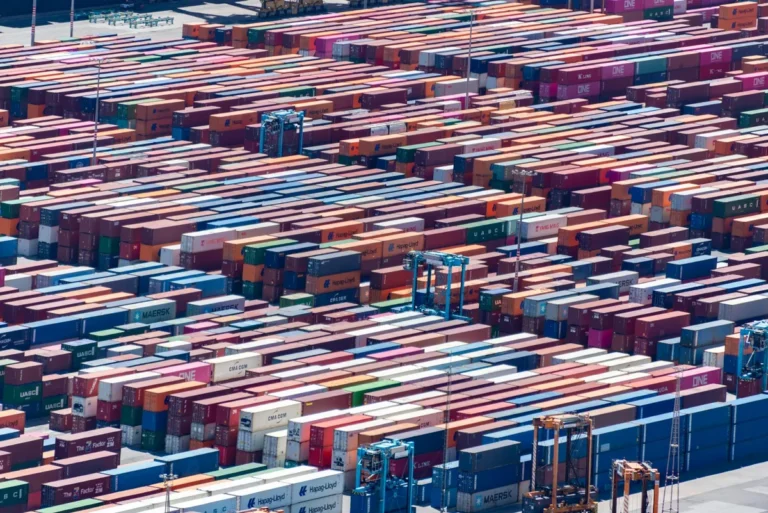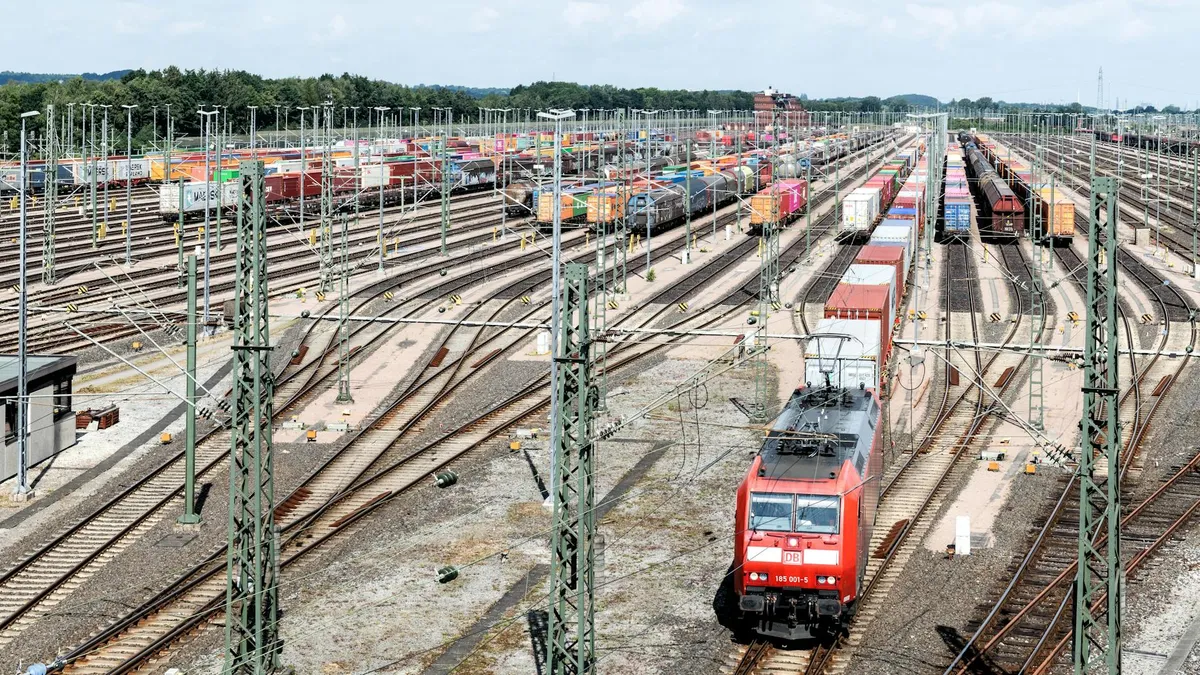
The inland container depot network across Northern Europe is one of those infrastructure systems that almost nobody outside the operational logistics community pays attention to and that determines whether the marine terminal capacity at Rotterdam, Antwerp-Bruges, and Hamburg actually gets to the customers efficiently. The depot network has been going through substantial changes over the past several years in response to the trade pattern adjustments, the modal shift toward rail and barge, the emergence of new corridor demands, and the substantial supply-chain reconfiguration that has been working through across European industrial geography.
This piece works through what the depot network actually is, what the recent changes have involved, and what the implications are for the shippers and logistics service providers who depend on the inland operational infrastructure. The view here is informed by conversations with depot operators, with intermodal service providers, and with the major shipper supply-chain managers whose operations depend on the network functioning effectively.
The architecture of the inland network
The inland container depot network across Northern Europe involves several tiers of facilities that serve different functions in the broader supply chain. The largest depots are major intermodal terminals at strategic locations along the principal corridors, with multi-modal capability that includes rail, barge, and road interfaces. The medium-scale depots provide regional service in specific market areas. The smaller depots handle local distribution and equipment management functions.
The principal corridors that the depot network supports include the Rhine corridor that runs from Rotterdam down through Germany and into Switzerland, the trans-European rail corridors that connect the Northern European ports to the inland markets across Germany, France, Poland, and the Czech Republic, and the various secondary corridors that serve specific regional markets. Each corridor has its own operational characteristics, depot configurations, and competitive dynamics.
The depot operators include both subsidiaries of the major terminal operators and shipping lines, and independent operators that provide services to multiple liner companies and to the broader intermodal market. The competitive structure varies across the corridors and across the depot types, with different operational and commercial models being workable in different contexts.
What has been changing
The principal changes in the inland depot network over the past several years involve several interrelated developments. The first is the substantial growth of rail-modal volumes on the Northern European corridors, with implications for the rail-handling capability that the depots need to provide. The modal shift policies in the Netherlands, Germany, and other relevant jurisdictions have been supporting the growth, with the Betuweroute capacity utilization being one of the principal contemporary examples.
The second is the reconfiguration of European industrial geography in ways that are changing the demand patterns for inland container services. The manufacturing relocation that has been occurring across Central and Eastern Europe, the reshoring patterns that have been affecting Western European industrial activity, and the supply-chain restructuring that has followed from the various policy and security developments of recent years have all been changing the inland container flow patterns.
The third is the substantial capacity adjustment that depot operators have been making in response to the demand changes. Some depots have been expanding, with new facilities and new capabilities being added. Others have been consolidating or repurposing as the demand patterns at specific locations have shifted. The net capacity picture across the network has been changing in ways that the macro-level coverage has not always engaged with.
The fourth is the technological and operational modernization that has been working through across the network. The depot operating systems have been upgrading. The handling equipment has been modernizing. The data integration with the broader supply-chain systems has been advancing. The cumulative effect on operational efficiency has been measurable and is one of the principal supports for the competitive position of the Northern European corridors.
The Rhine corridor specifics
The Rhine corridor is the most operationally complex and commercially important of the Northern European inland container corridors. The corridor runs from Rotterdam through the principal Rhine cities of Duisburg, Düsseldorf, Cologne, and Mainz, and into the upper Rhine region around Strasbourg and Basel. The barge mode is the dominant inland mode on the corridor, with rail and road providing complementary services.
The Duisburg complex is the principal intermodal node on the Rhine corridor and one of the largest inland intermodal hubs in Europe. The volume that moves through Duisburg connects the Rotterdam and Antwerp marine flows with the broader German and Central European hinterland, and the operational performance of Duisburg has substantial effects on the broader supply chain efficiency.
The Duisburg capacity has been expanding through recent years with major projects working through and adding both rail and barge handling capability. The expansion has been one of the principal supports for the growing volume the corridor has been handling, with the operational efficiency improvements working alongside the capacity additions.
The smaller Rhine ports and depots have been showing different patterns. Some have been growing with the broader corridor trends. Others have been adjusting their operational focus as the demand patterns shift. The cumulative network is in transition rather than at a steady state, and the operational planning that shippers do across the corridor needs to engage with the changing picture.
The trans-European rail corridors
The trans-European rail corridors that connect the Northern European ports to the inland European markets have been the focus of substantial investment and operational development over the past several years. The major corridors include the Rhine-Alpine corridor, the North Sea-Mediterranean corridor, and the various corridors that serve Central and Eastern European markets.
The capacity and operational performance of these corridors have been improving but at different paces across the network. The Western European segments have generally seen more substantial improvement than the Eastern European segments, with the cross-border operational issues being one of the principal areas of continued attention.
The depot infrastructure that supports the rail corridors has been developing alongside the rail capacity. The major inland intermodal terminals on the corridors have been expanding capacity, modernizing operations, and integrating with the supporting logistics infrastructure in ways that support the growing rail-modal volumes. The cumulative effect has been to make the rail mode more operationally viable for a wider range of supply-chain applications than was the case a decade ago.
The implications for shippers
The shifts in the inland depot network have substantive implications for the shippers and logistics service providers who depend on the network for their inland supply chain operations. The implications vary across shippers depending on their specific operational geography, their cargo characteristics, and their service requirements.
The shippers with operations along the principal corridors have generally been benefiting from the operational improvements and capacity additions. The reliability of rail and barge services has been improving, the transit times have been more consistent, and the cost structure has been moderating relative to road transport. The shift toward intermodal mode shares has been continuing for many shippers that operate principally along the corridors.
The shippers with operations in the secondary geographic areas served by smaller depots have had more mixed experiences. Some have benefited from improved depot service. Others have had to adjust their operational planning as specific depot operations have changed or as service patterns have shifted. The picture is more idiosyncratic than the headline macro-level coverage would suggest.
The shippers with cross-border operations have generally been benefiting from the cross-border operational improvements on the principal corridors but have had to manage the continued cross-border friction on some of the secondary corridors. The European rail interoperability has been improving but is not yet at the level that the road network provides, with implications for the operational planning that cross-border shippers need to do.
The competitive dynamics among depot operators
The competitive structure of the inland depot business has been changing in ways that reflect the broader industry developments. The major terminal operators and shipping lines have been consolidating their positions in the inland network, with some acquisitions and expansions working through over recent years. The independent depot operators have been adjusting their commercial models in response.
The competitive dynamics vary across corridors and across depot types. In some markets, the consolidation has been more substantial than in others. In some markets, the independent operators have been maintaining strong competitive positions. The market structure is in transition rather than at a stable state.
The shippers and logistics service providers have been adapting their procurement and operational planning in response to the changing market structure. The flexibility to use multiple depot operators has been valuable for some shippers, while others have been benefiting from deeper relationships with specific operators that have been investing in tailored service offerings. The optimal commercial structure varies across shipper segments.
The longer-term picture
The longer-term trajectory for the inland depot network across Northern Europe is generally toward continued operational improvement, continued modal shift toward rail and barge, and continued capacity development at strategic locations. The supporting policy environment in the Netherlands, Germany, and the EU level is generally supportive of the trajectory, with the modal shift policies and the corridor development investments continuing.
The challenges that will need to be managed over the coming years include the continued cross-border operational issues on the rail corridors, the capacity constraints at specific bottleneck locations, and the broader workforce development questions that the modernizing depot operations require. The work is substantive and the operational community is engaged with it.
The implications for shippers and logistics service providers are that the inland network is going to continue developing in ways that affect their operational planning. The shippers that engage actively with the developing network — through procurement relationships, operational planning, and strategic supply-chain decisions — will continue to benefit from the operational improvements. The shippers that take the network as a static given will miss opportunities to optimize their operations as the network develops.
What deserves more attention
The inland container depot network across Northern Europe deserves more sustained trade-press attention than it has been receiving. The infrastructure is operationally critical, the changes are substantial, and the implications for the broader supply chain efficiency are real. The general coverage that focuses on the marine terminal capacity and the long-distance ocean services misses much of what determines whether the broader supply chain actually works.
The depot operators who do the work well, the intermodal service providers who manage the operational complexity, and the shipper supply-chain managers who navigate the inland network are all doing substantive work that warrants more visibility. The trade press serves the industry better when it engages with the full operational picture rather than just the marine-visible components. The inland network is part of that picture and deserves its share of the attention.